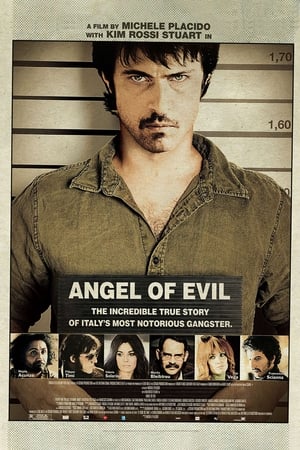
Set in Italy in the 1970s, VALLANZASCA is the true story of the Italian underworld’s most infamous outlaw. A criminal by age 9, Renato Vallanzasca grew up to become the country’s most notorious mobster before the age of 27. Vallanzasca and his gang wrested control of the Milan underworld with a string of high profile robberies, kidnappings and murders. In the process, he captivated the public and earned the nickname ‘il bel Renè’ – for his devilish charm and handsome face. Arrested multiple times, his daring escapes from prison enraged the government, angered his rivals and fed his legend.
Young Franco is imprisoned for murder and rises to become the feared and powerful 'Professor', taking control of Naples' underworld from behind bars.
Nine vignettes depict the stages leading to execution for women on death row.
Mario, a rich and eccentric war hero befriends Marco, a loner with a sailboat, and takes him home to meet his estranged wife Cleofe and sexually repressed sister in law Matilde. Mario confesses his love for Matilde and so ensues a love triangle.
The Catholic Church secretly investigates Caravaggio as the Pope weighs whether to grant him clemency for killing a rival.
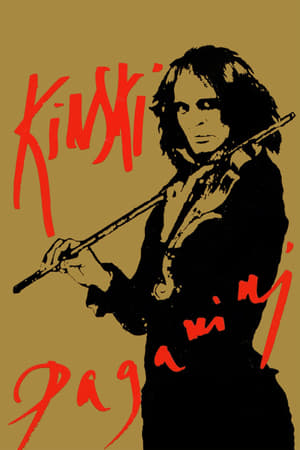
Legendary "devil violinist" Niccolo Paganini sets all of 19th century Europe into frenzy.
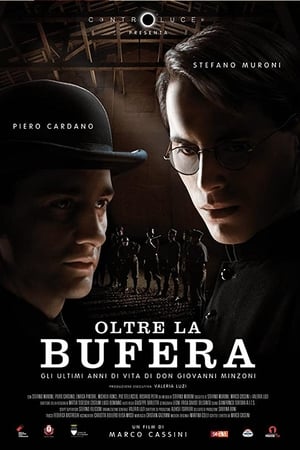
In 1919, at the end of the Great War, Don Giovanni Minzoni returns to his parish in Argenta, in the province of Ferrara, wants to reorganize the social and cultural life of the community and tries to bring the rural children together into the old recreation center. The socialists, led by Natale Gaiba, the city councilor, openly show their disdain for Don Minzoni and his Church. After some time, anyhow, the relations with the socialists seem to begin, starting a relationship based on understanding and collaboration. At the same time another political force, modern and unexpected, makes its entrance into history and into the small village of Argenta. Fascism is taking hold in the cities and in the countryside throughout Italy, and even in Argenta the first riots and attacks begin…
Saint Anthony, Abbot of the Desert, protector of animals, is a central figure in the Italian countryside, where fortune depends on the health of the animals. To heal his donkey, Antonio asks the village priest to bless the sick animal. Faced with his refusal, the young farmer confides directly in the Saint, hoping that he will perform a miracle.
The powerful true story of Harvard-educated lawyer Bryan Stevenson, who goes to Alabama to defend the disenfranchised and wrongly condemned — including Walter McMillian, a man sentenced to death despite evidence proving his innocence. Bryan fights tirelessly for Walter with the system stacked against them.
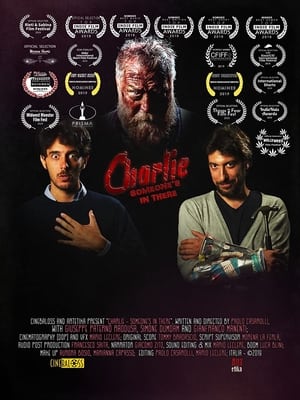
Charlie is about love while Apocalypse wind destroys everything. Antonio fights for the love towards his companion and his dad and faces one of the hardest choice in his whole life.
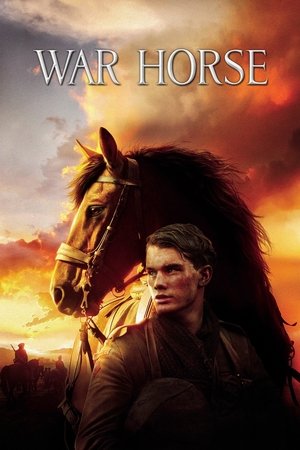
On the brink of the First World War, Albert's beloved horse Joey is sold to the Cavalry by his father. Against the backdrop of the Great War, Joey begins an odyssey full of danger, joy, and sorrow, and he transforms everyone he meets along the way. Meanwhile, Albert, unable to forget his equine friend, searches the battlefields of France to find Joey and bring him home.
Gabriel Palombra, a Venetian Punchinello Street show operator decides to move to America leaving his wife, Sorrentina, behind, with a promise to send for her. In the United States, disillusioned, he takes a job as porter in a barbershop, but when he is rewarded for returning a lost pocketbook, manicurist "Babe" Reynolds persuades him to bet on a winning horse. Under her influence he rises to wealth. Meanwhile, Sorrentina arrives in New York and takes work as a flower girl.
The story takes place in an unspecified town in Apulia. We are in the '70s. The arrival of three beautiful and uninhibited girls from the North, the daughters of an engineer who has moved to run a factory, brings the turmoil amongst the young people of the town. Stories of love, betrayals, state money (stolen) and broken promises intertwine. All through the eyes of Carlo (alter ego of the director Sergio Rubini), the youngest.
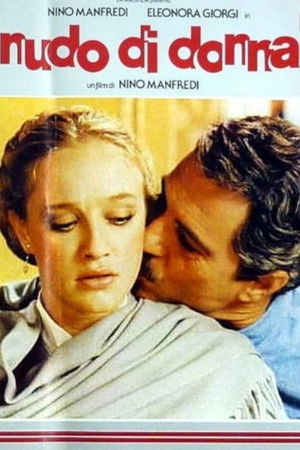
Sandro is a Roman adrift in Venice during the Carnival. After sixteen years of marriage, Sandro can no longer reconcile his spontaneous and lively character with that of his wife Laura, a cultured and composed Venetian woman. Yet another argument prompts him to leave her and seek refuge at the home of a painter friend. Among his many paintings, he notices one depicting a naked woman who bears an incredible resemblance to his wife. Are they two women or one, and in the masquerade of the Carnival, what is real?
We are always in a hurry and we are often with the head on the clouds. Then, it happens that a virus makes us look up. In this little story we can see how, even in the harder times, there's always a chance to catch on the fly - A little really contagious crush.
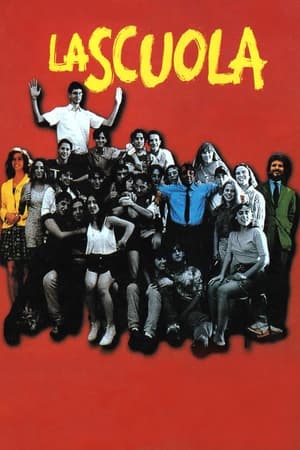
In a high school in the outskirts of Rome, it's the last day before the summer holidays. A literature teacher reminisces the past year and wonders what will become of the students he cared for as if they were his children.
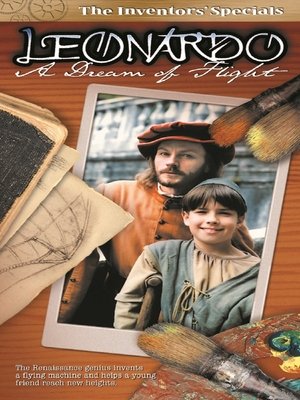
Leonardo da Vinci finds it difficult to pursue his own dreams while serving as the Duke's court artist, but young Roberto takes risks to convince the Master not to give up on his dreams. In this moving story of friendship, the Renaissance genius invents a flying machine and helps Roberto reach new heights.
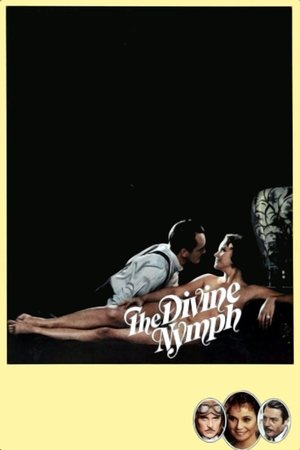
In the decadent Roaring Twenties, a beautiful woman engages in affairs with two men, playing them against each other.
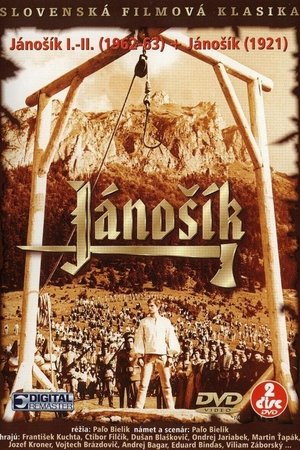
This film is one of the most popular pictures of Slovak cinema and relates the story about the legendary folk hero and brigand Juro Jánošík [1688-1713] and the social situation in Slovakia of the late 17th and early 18th centuries. The first part talks about Jánošík's childhood, studies and return to his native village. In the second part Jánošík leaves for the hills, where he organizes his band of brigands and starts an anti-feudal resistance. The film concludes with Jánošík's execution.
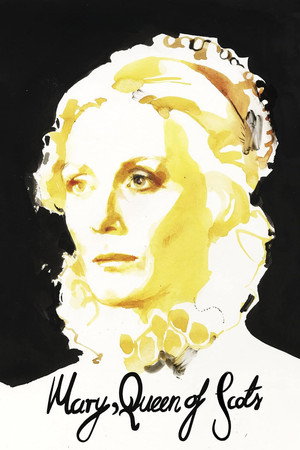
Mary Stuart, who was named Queen of Scotland when she was only six days old, is the last Roman Catholic ruler of Scotland. She is imprisoned at the age of 23 by her cousin Elizabeth Tudor, the English Queen and her arch adversary. Nineteen years later the life of Mary is to be ended on the scaffold and with her execution the last threat to Elizabeth's throne has been removed. The two Queens with their contrasting personalities make a dramatic counterpoint to history.