Filmmaker Alain Resnais documents the atrocities behind the walls of Hitler's concentration camps.
Dictator Adenoid Hynkel tries to expand his empire while a poor Jewish barber tries to avoid persecution from Hynkel's regime.
In 1947, four German judges who served on the bench during the Nazi regime face a military tribunal to answer charges of crimes against humanity. Chief Justice Haywood hears evidence and testimony not only from lead defendant Ernst Janning and his defense attorney Hans Rolfe, but also from the widow of a Nazi general, an idealistic U.S. Army captain and reluctant witness Irene Wallner.
A Russian and a German sniper play a game of cat-and-mouse during the Battle of Stalingrad in WWII.
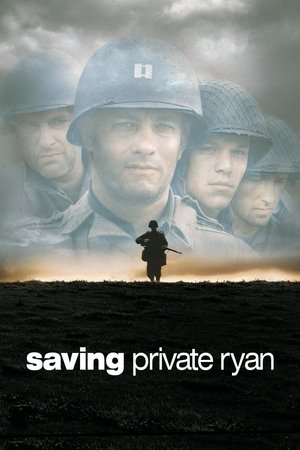
As U.S. troops storm the beaches of Normandy, three brothers lie dead on the battlefield, with a fourth trapped behind enemy lines. Ranger captain John Miller and seven men are tasked with penetrating German-held territory and bringing the boy home.
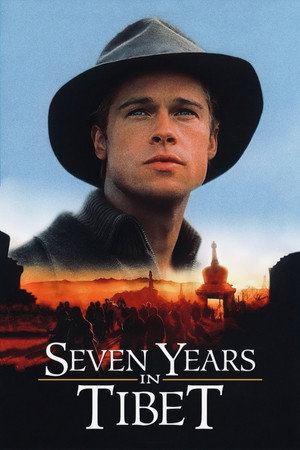
Austrian mountaineer Heinrich Harrer journeys to the Himalayas without his family to head an expedition in 1939. But when World War II breaks out, the arrogant Harrer falls into Allied forces' hands as a prisoner of war. He escapes with a fellow detainee and makes his way to Lhasa, Tibet, where he meets the 14-year-old Dalai Lama, whose friendship ultimately transforms his outlook on life.
On the brink of the Second World War, a young Norwegian man's drive to resist the Nazis sets a new course for his future – and the future of his country.
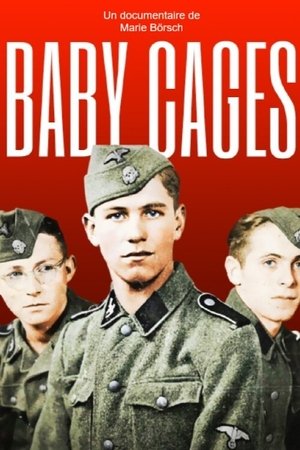
After WWII had ended, it was realized by the American Allies that there were children whom Hitler trained to be soldiers between the ages of 9-17. They were the "Hitler Youth". As the adult German soldiers were taken as prisoners of war, so were the children. These boys were taken to France and reeducated by being taught democracy and treated better than the adult POWs. This story recounted by a former "baby cage" prisoner at the age of 92.
A moving meditation on guilt and reconciliation, Bloodlines explores the unwritten cost of war and genocide on future generations - of both victims and perpetrators. As Bettina Goering, grandniece of Nazi war criminal Herman Goering, searches for a way to come to terms with her heritage, she meets Ruth Rich, a painter and daughter of Holocaust survivors. At a time when seemingly irreconcilable divisions between groups are tearing the world apart, this deeply hopeful film is a beautiful testament to the power of dialogue and post-conflict reconciliation.
Lost at war, two soldiers struggle to find their moral grounding before their ultimate demise.
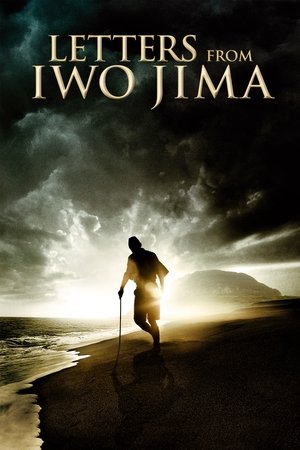
The story of the battle of Iwo Jima between the United States and Imperial Japan during World War II, as told from the perspective of the Japanese who fought it.
The Polish city of Łódź was under Nazi occupation for nearly the entirety of WWII. The segregation of the Jewish population into the ghetto, and the subsequent horrors are vividly chronicled via newsreels and photographs. The narration is taken almost entirely from journals and diaries of those who lived–and died–through the course of the occupation, with the number of different narrators diminishing as the film progresses, symbolic of the death of each narrator.
A lyrical fourfold perspective on WWII through the eyes of a young partisan couple, a town photographer and a German officer.
The untold story of a Royal "propagandist in pearls" whose wartime friendship with President Roosevelt became a vital catalyst to win back freedom for her tiny occupied country.
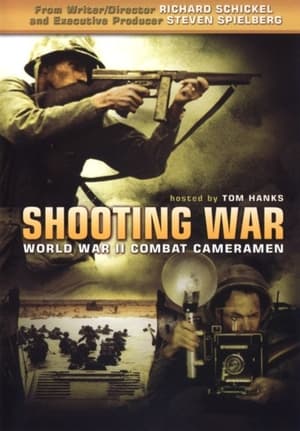
A remarkable film that takes a special look at the first war to be truly reported and recorded by one of the more unsung heroes of World War II: the combat photographer. Through the unflinching eye of their camera's lenses, these courageous soldiers continually risked their lives in their brave attempts to capture history.
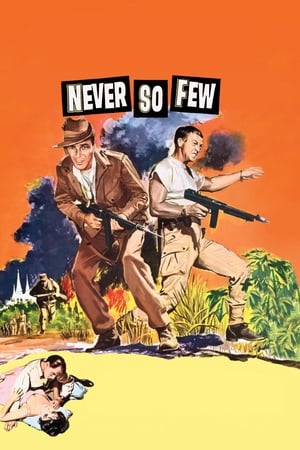
A U.S. military troop takes command of a band of Burmese guerillas during World War II.
Five Guamanians interviewed in the early 2000s recall the Japanese bombing of Guam on 7 December 1941, and the years of food shortages, abuses, and other hardships that followed. They describe their childhood lives before, during, and after the island's occupation by Japanese soldiers.
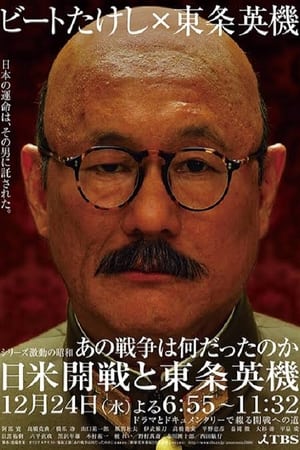
The drama stars Beat Takeshi as General Hideki Tojo, who served as Prime Minister of Japan during World War II and was later executed as a war criminal. The story's theme is said to be a look at how the Pacific War began, focusing mostly on the three month period between the Imperial Conference (Gozen Kaigi) on September 6, 1941, and the attack on Pearl Harbor on December 7, 1941.
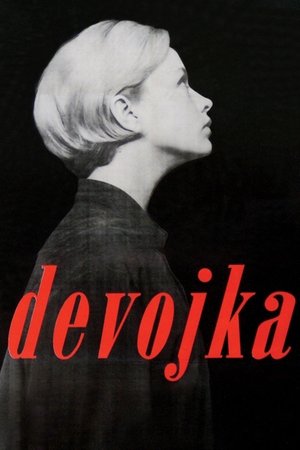
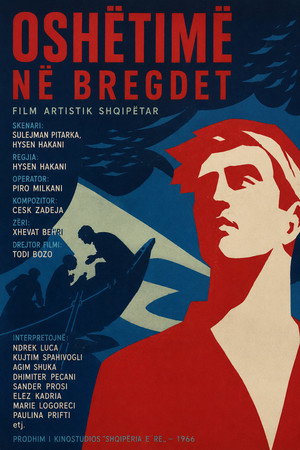
World War II. Patriot Jonuz Bruga has troubles with his young son, Selim, who leads an immoral lifestyle and does not support the anti-fascist war, while his brothers fight in the city's guerrilla units.
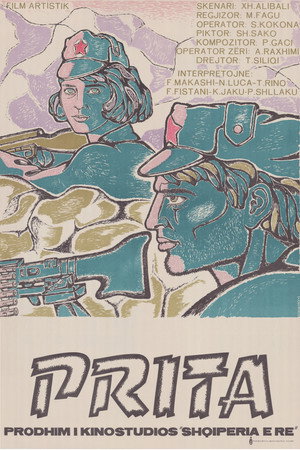
A film set during World War II - a small partisan unit must ambush a German convoy.