Follows the journey of a spirited Nepali village girl on her pursuit to being a world-recognized mountain runner. Growing up in a remote mountain village in Nepal, Mira always dreamed of being successful in sport despite all the challenges that she & other Nepali girls face. After running away from home, Mira joined the Maoist army until as a young adult, she traveled the long distance to Kathmandu to try her luck. Out of money, she was about to return home to her village, when by chance on a morning run, she meets another runner who tells her about a long running race in the local hills. She wins it and soon begins to realize her tough mountain village upbringing has prepared her perfectly for this sport.
Mothers and daughters flee their country of origin and travel through Mexico carrying their fears, dreams and a hopeful future.
The wisdom, memory and skill of Nahua women potters who with their hands narrate the traditional process of making clay.
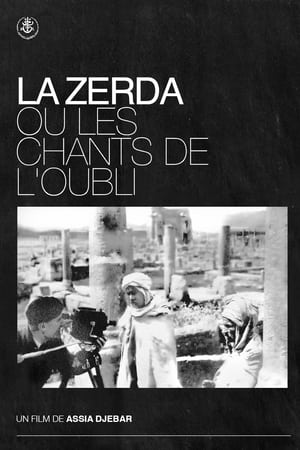
“La Zerda and the songs of oblivion” (1982) is one of only two films made by the Algerian novelist Assia Djebar, with “La Nouba des femmes du mont Chenoua” (1977). Powerful poetic essay based on archives, in which Assia Djebar – in collaboration with the poet Malek Alloula and the composer Ahmed Essyad – deconstructs the French colonial propaganda of the Pathé-Gaumont newsreels from 1912 to 1942, to reveal the signs of revolt among the subjugated North African population. Through the reassembly of these propaganda images, Djebar recovers the history of the Zerda ceremonies, suggesting that the power and mysticism of this tradition were obliterated and erased by the predatory voyeurism of the colonial gaze. This very gaze is thus subverted and a hidden tradition of resistance and struggle is revealed, against any exoticizing and orientalist temptation.
Efímero
Founding a social Muay Thai project in the North Zone of Rio de Janeiro, Mestre BG and his competitors face the adversities of an underfunded project and fight to win their place on the podium. The challenges intensify when one of the students, Raíssa Pacheco, secures a spot to compete in a South American championship in Uruguay.
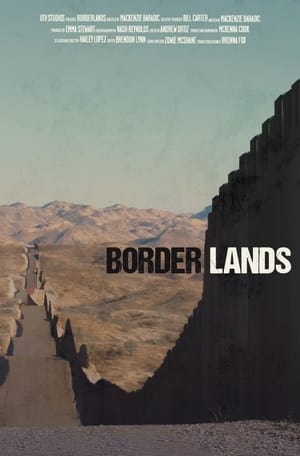
Fleeing the 1980 Civil War in El Salvador, Dora Rodriguez, among a group of twenty-five asylum seekers, were abandoned by their guide and left to fend for themselves in the relentless Sonoran desert of Arizona.
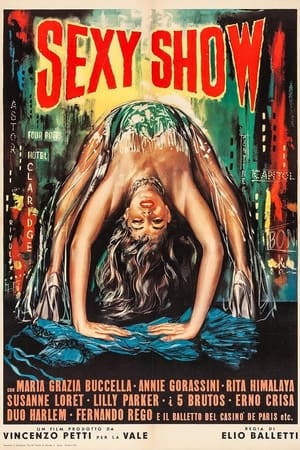
Short film made by Elio Belletti.
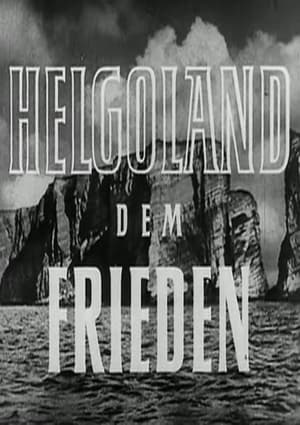
Under the sign of the swastika, it was, amongst other things, turned into a naval base, it got heavily destroyed in two waves of attack in April of 1945 by British bombers. After the war, Heligoland was made available as bombing training ground for the English army by the West-German government. Seven young people occupied the isle and began to repair the emergency shelter for sailors who got in danger. This and further major actions eventually ended the bombing exercises. Back then, the watchword was: “Heligoland to the Germans! “ – “Heligoland for peace!”
The preservation and development of traditional folk crafts is in the hands of skilled individuals... Wicker Beauty presents portraits of those creators from among the holders of the title Bearer of the tradition of folk crafts, for whom the basic working material is various natural weaves. We will show baskets woven from pine bark, tying birch brooms or traditional products from willow wicker and also from pedig, which is a material obtained from tropical liana in Southeast Asia. The five award-winning manufacturers continue the legacy of old basket makers and, together with their families, maintain a tradition in their home workshops that continues from generation to generation.
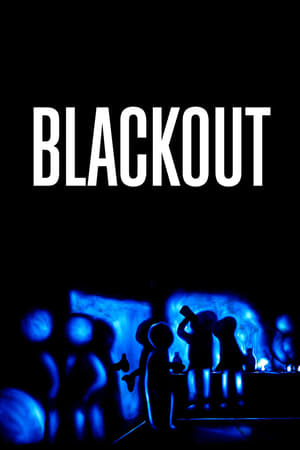
Blackout is a short, animated documentary about the 2003 power failure in much of the eastern seaboard of the U.S and Canada for up to 4 days.
What if, instead of bombs, we dropped watermelons? Dreamy and hopeful, this animated short sweeps us up into a colourful world where layers of reality and creativity intersect. Our protagonist navigates through it all seamlessly, and in the process shows us the importance of imagination.
Washed up adult film star Buster Coffey attempts to get his career back.
This film is an album of Native womanhood, portraying a proud matriarchal society that for centuries has been pressured to adopt different standards and customs. All of the women featured share a belief in the importance of tradition as a source of strength in the face of change.
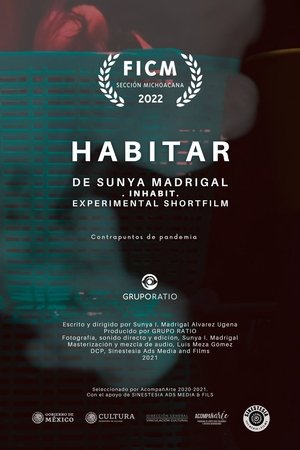
An oneiric moment in the contradictory sensations that arise when experiencing the COVID-19 pandemic.
A movie projectionist reconstructs his memory through movies.
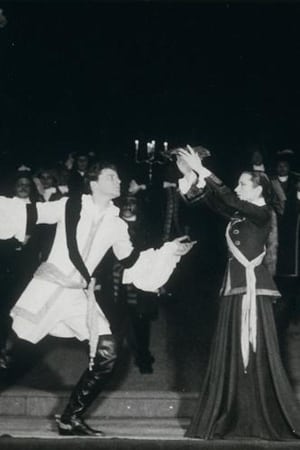
The T.N.P., the Théâtre National Populaire, an important experimental theater directed by Jean Vilar. Franju combines sequences from theatrical performances with documentary images, creating links and confrontations between theater and the real world.
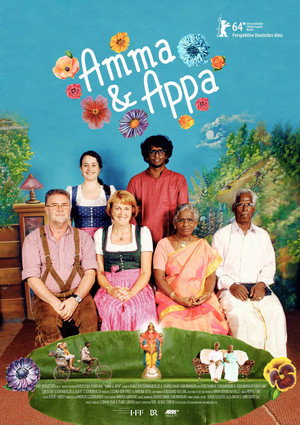
When Franziska announces her engagement to her boyfriend, Jayakrishnan, her parents journey from Bavaria to India to meet Jay's mother and father. But coming to terms with their children's plans forces each couple to question their cultural bias.
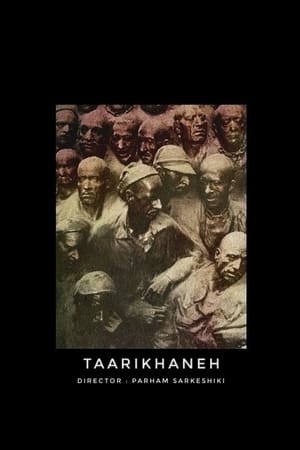
People destroyed the Ali Akbar Sanati Museum, an Iranian painter and sculptor, and all his works were destroyed. Mordad 28, In 1332, many people were burned alive in the fire of Rex Cinema, 28 years later on the 25th, they repaired The House of History movie. This film is an experimental fiction film, with links to images of the last survivor of the Sanati Museum, namely the sculptures of prisoners in prison, and the voices of the history of Iranian cinema, from the Sasanian era to the Constitution and the Islamic Revolution.
A short poem about the nostalgic and melancholic side of growing up. Shot on Super 8 in Queens, New York.