The story takes place at the end of World War I and in the period that followed. It focuses on an intellectual family from Temesvár with three sons.
Richthofen goes off to war like thousands of other men. As fighter pilots, they become cult heroes for the soldiers on the battlefields. Marked by sportsmanlike conduct, technical exactitude and knightly propriety, they have their own code of honour. Before long he begins to understand that his hero status is deceptive. His love for Kate, a nurse, opens his eyes to the brutality of war.
Two couple of friends, one very rich, the other almost homeless, decide to go on Holiday. Julie, a single mother, joins them too. Once at seaside, it starts a complicate love cross among them that will involve also a transsexual, a jealous brother, a Latin Lover and another nervous stressed couple. Not to mention about the daughter of one of them that is secretly in Chicago with one of her father's employees... At the end of the summer, all of them will join the same party...
Madame Simone Renaud witnessed the liberation of France on June 6, 1944 from a very unique viewpoint: St. Mere Eglise, the first town liberated during the D-Day invasion. It was here that she and her husband, the mayor of St. Mere Eglise, witnessed so many American soldiers giving their lives to protect freedom and democracy. Their small town became these soldiers' final resting place and Madame Renaud spent a lifetime tending to their graves and corresponding with their loved ones back home. She became a friend, family and touchstone to those whose lives were forever changed on that day.
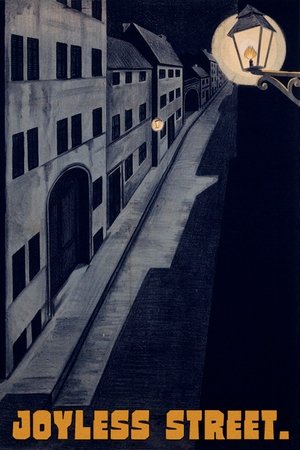
In 1921, we follow two women - Marie and Grete - from the same poor Viennese neighborhood, as they try to better the lives of themselves and their families during the period of Austrian postwar hyperinflation.
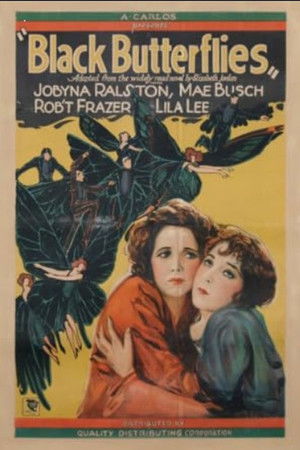
An exposé of the "fake" or "wicked" Bohemian social circles, highlighting the moral consequences of their actions. The film features a "pleasure-seeking" philosophy, evidenced by the intertitle that read, "May we help ourselves to life's pleasures?"
A gangster falls for a blind violinist, only for his mobster rivals to kidnap her.
Adrift in the vast expanse of the ocean, a solitary boat carries three castaways—a man and two women. Stranded and devoid of any glimmer of rescue, they find solace in recounting the tales of their lives to one another. As they delve into their personal narratives, reminiscing about the circumstances that led them to this desolate predicament, they navigate through the depths of three distinct destinies. Bound by the confines of their shared space, every aspect of their existence becomes a boundary, underscoring their plight.
In the near future, an isolated man is tortured by his beloved memories.
A WW1 soldier has to watch over another soldier whom he falsely accused of desertion and whom will executed at dawn for cowardice.
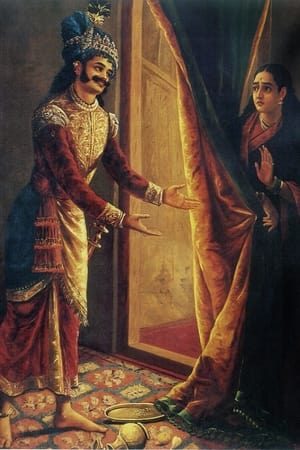
This film is a story from the Mahabharatam where Draupadi, the wife of the Pandavas, resists the advances of Keechaka, a lustful general in the court of King Virata. The confrontation leads to Keechaka's death, highlighting Draupadi's resilience during the Pandavas' exile.
A hobo takes revenge to a miller who didn't give him something to eat.
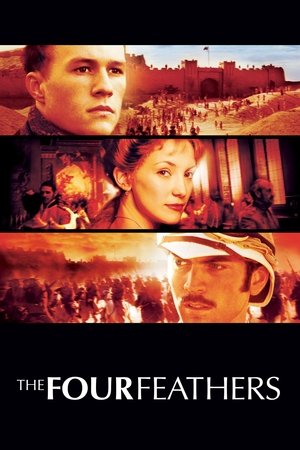
A young British officer resigns his post when he learns of his regiment's plan to ship out to the Sudan for the conflict with the Mahdi. His friends and fiancée send him four white feathers as symbols of what they view as his cowardice. To redeem his honor, he disguises himself as an Arab and secretly saves their lives.
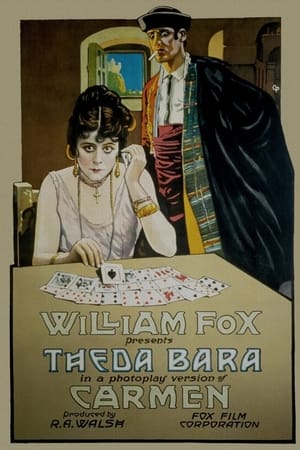
A Spanish soldier falls under the spell of a fiery gypsy girl named Carmen. His obsession with her leads to his ruin.
Years have passed since the Three Musketeers, Aramis, Athos and Porthos, have fought together with their friend, D'Artagnan. But with the tyrannical King Louis using his power to wreak havoc in the kingdom while his twin brother, Philippe, remains imprisoned, the Musketeers reunite to abduct Louis and replace him with Philippe.
Photoplay and Direction by Charles Busch
While visiting her sister in Paris, a young woman finds romance and learns her brother-in-law is a philanderer.
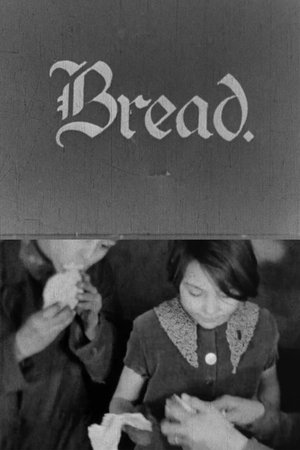
Life on the breadline in the 1930s was hard enough, but times were desperate when you fell beneath it. Hunger marches organised by the National Unemployed Workers' Movement drew attention to the cause, but this left-wing collective picked up a cine-camera. The fictional story at the heart of the film is somewhat melodramatic, but the authentic surroundings give its message realism and weight.
This film begins with the invocation of 'almighty god' at a river where several people are gathered. The child god Krishna rises out of the water astride the demon snake Kaliya. Then we see Yashoda as she rocks the sleeping Krishna's crib and imagines the god as Gopala. The next scene shows Kamsa fantasizing about Krishna threateningly duplicated many times around him. Kamsa then imagines himself dead as his severed head rises up and descends again. People of all castes pay obeisance to the deity with the title-card: 'may this humble offering be accepted by the Lord'.
Danielle, a vibrant young woman, was forced into servitude after the death of her father when she was a young girl. Danielle's stepmother, Rodmilla, is a heartless woman who forces Danielle to do the cooking and cleaning, while she tries to marry off the eldest of her two daughters to the prince. But Danielle's life takes a wonderful turn when, under the guise of a visiting royal, she meets the charming Prince Henry.