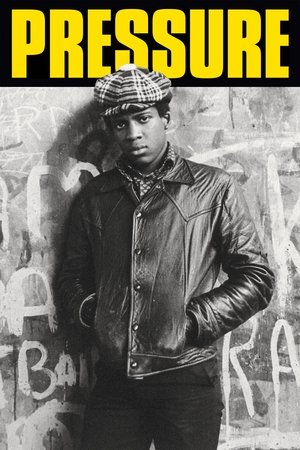
A British-born younger son of an immigrant family from Trinidad finds himself adrift between two cultures.
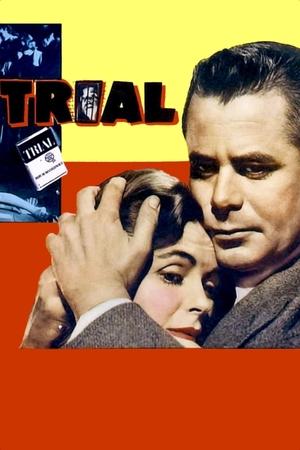
A Mexican boy accused of rape and murder becomes a pawn for Communists and red-baiters. A courtroom drama set in 1947 and underlying post-WW2 acute problems facing the USA such as stormy race relations and the growing threat of local communism.
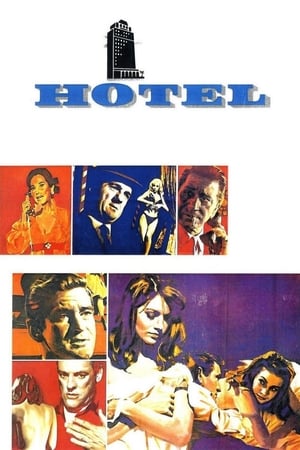
This is the story of the clocklike movements of a giant, big city New Orleans hotel. The ambitious yet loyal manager wrestles with the round-the-clock drama of its guests. A brazen sneak thief, who nightly relieves the guests of their property, is chased through the underground passages of the hotel. The big business power play for control of the hotel and the VIP diplomat guest with a secret add to the excitement.
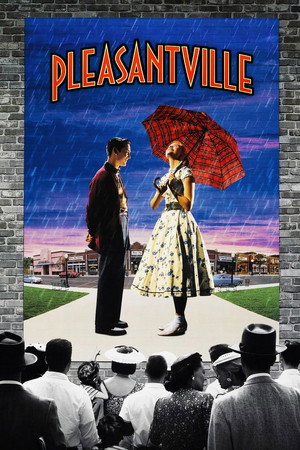
Geeky teenager David and his popular twin sister, Jennifer, get sucked into the black-and-white world of a 1950s TV sitcom called "Pleasantville," and find a world where everything is peachy keen all the time. But when Jennifer's modern attitude disrupts Pleasantville's peaceful but boring routine, she literally brings color into its life.
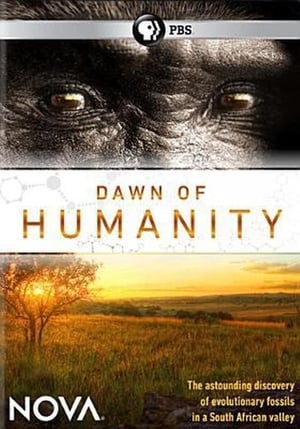
Nova and National Geographic present exclusive access to an astounding discovery of ancient fossil human ancestors.
Felix in Exile introduces a new character to the 'Drawings for Projection' series: Nandi, an African woman, who appears at the beginning of the film making drawings of the landscape. She observes the land with surveyor's instruments, watching African bodies, with bleeding wounds, which melt into the landscape. She is recording the evidence of violence and massacre that is part of South Africa's recent history. Felix Teitelbaum, who features in Kentridge's first and fourth films as the humane and loving alter-ego to the ruthless capitalist white South African psyche, appears here semi-naked and alone in a foreign hotel room, brooding over Nandi's drawings of the damaged African landscape, which cover his suitcase and walls. Kentridge has commented: 'Felix in Exile was made at the time just before the first general election in South Africa, and questioned the way in which the people who had died on the journey to this new dispensation would be remembered'.
Walter Lee Younger is a young man struggling with his station in life. Sharing a tiny apartment with his wife, son, sister and mother, he seems like an imprisoned man. Until, that is, the family gets an unexpected financial windfall.
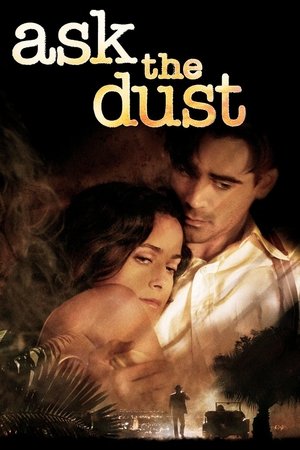
Mexican beauty Camilla hopes to rise above her station by marrying a wealthy American. That is complicated by meeting Arturo Bandini, a first-generation Italian hoping to land a writing career and a blue-eyed blonde on his arm.
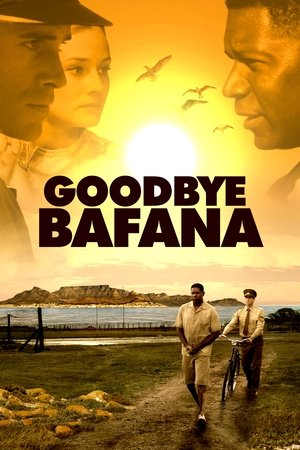
The true story of a white South African racist whose life was profoundly altered by the black prisoner he guarded for twenty years. The prisoner's name was Nelson Mandela.
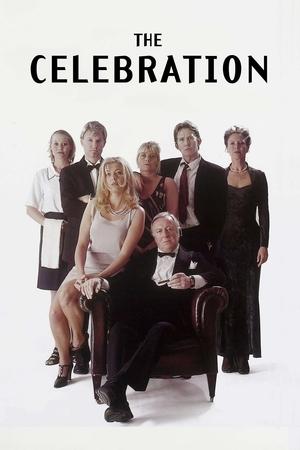
The family of a wealthy businessman gather to celebrate his 60th birthday. During the course of the party, his eldest son presents a speech that reveals a devastating secret that turns the night into a battle of truth and denial.
On a cold bus stop bench a young woman evening takes a terrifying turn when she faces relentless and disgusting harassment from a group of young men. But when a stranger she once regarded as threatening and dangerous steps in to defend her, she is compelled to re-evaluate her preconceived judgements of people.
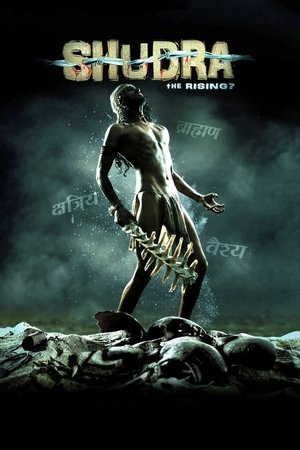
Shudra: The Rising is a Hindi language film with a storyline based on the caste system in ancient India, and more specifically the Hindu Varna system. It is directed by Sanjiv Jaiswal and dedicated to Bhim Rao Ambedkar. The film depicts the four basic units of the caste system - the Brahmins, Kshatriyas, Vaishyas and the Shudras. The film shows various rules imposed on the Shudras such as waking with a bell around their ankles and a long leaf behind their back,and a pot hanging around their neck.
Amongst the 2011 London riots, a former boxer needs must choose between his past or a new future.
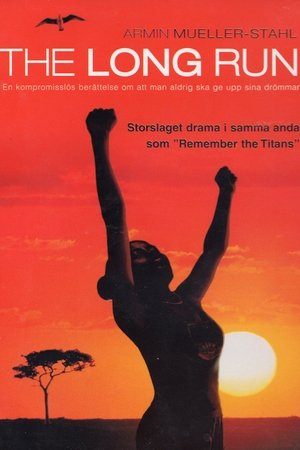
A failed track coach finally finds someone who he believes has what it takes to win. The Comrades Marathon is a 90-k race in South Africa. An aging running coach, Barry, wants to field a winner; he's working with four men from a factory, but when he's fired to make way for a smooth, corporate type, he's at loose ends. Then he sees Christine, a Namibian immigrant who runs to forget her troubles. He offers to coach her and soon she's living at his house, following his diet and training regimen. But his single-mindedness gets to her: she wants a job and a place of her own. Plus, the man who replaced Barry likes her and wants her away from Barry. Can runner and coach (woman and man, African and European) sort out their complex relationship before the race? Written by
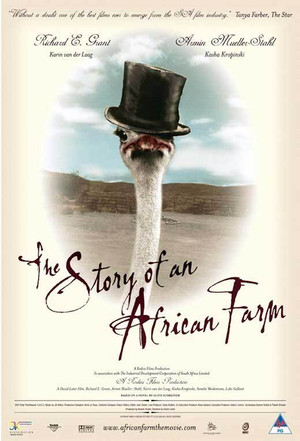
The 1870's. South Africa. Life is normal at the farm on the slopes of a Karoo Kopje.Things change when the sinister, eccentric Bonaparte Blenkins with bulbous nose and chimney pot hat arrives. Their childhood is disrupted by the bombastic Irishman who claims blood ties with Wellington and Queen Victoria and so gains uncanny influence over the girls' gross stupid stepmother.
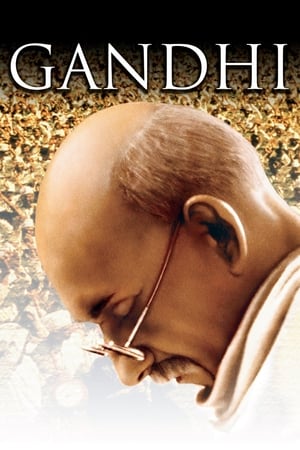
In the early years of the 20th century, Mohandas K. Gandhi, a British-trained lawyer, forsakes all worldly possessions to take up the cause of Indian independence. Faced with armed resistance from the British government, Gandhi adopts a policy of 'passive resistance', endeavouring to win freedom for his people without resorting to bloodshed.
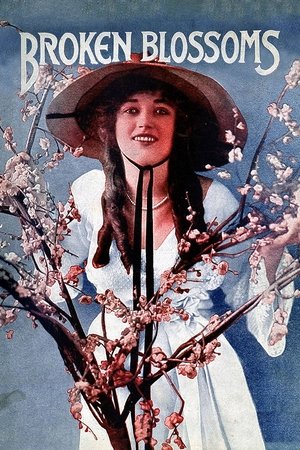
A frail waif, abused by her brutal boxer father in London's seedy Limehouse District, is befriended by a sensitive Chinese immigrant with tragic consequences.
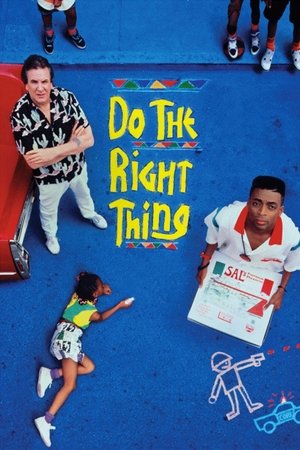
Sal is the Italian owner of a pizzeria in Brooklyn. A neighborhood local, Buggin' Out, becomes upset when he sees that the pizzeria's Wall of Fame exhibits only Italian actors. Buggin' Out believes a pizzeria in a black neighborhood should showcase black actors, but Sal disagrees. The wall becomes a symbol of racism and hate to Buggin' Out and to other people in the neighborhood, and tensions rise.
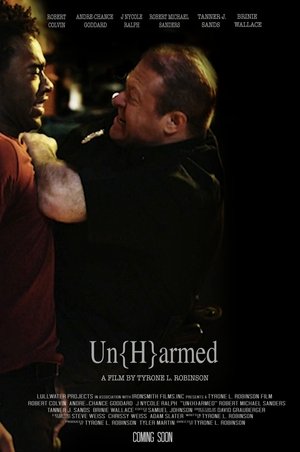
A case of mistaken identity leads to a heated confrontation between a young Black man and two law enforcement officers.
In the run-up to parliamentary elections in mid-October, Polish filmmaker Marcin Wierzchowski travelled across his country to gauge the atmosphere in a society that is more divided than ever.