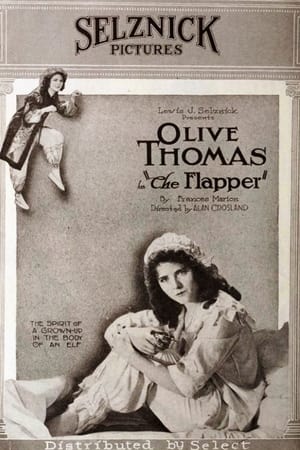
Daisy Baroness Eggloffsburg, a ball of energy, is a spoiled and rather lively, cheerful wild child who is always in the mood for pranks. Her uncle Egon, a stern old gentleman, thinks she has had enough of her foolishness and boozy ideas and needs a man to tell her off and tame Daisy. Harry Spring, the young sportsman hired for the job, is supposed to get both the girl and Baron Eggloffsburg, the owner of the racing stable, back on their feet. But Daisy doesn't give in so easily and now begins to give the young gallant a good grooming.
Wanting his son to get away from his many girlfriends and buckle down to work, the New York industrialist father of a playboy sends him to an obscure village in Spain to find samples of a rare mineral. When the son gets to Spain, he promptly falls for a beautiful señorita, and runs afoul of the local police chief.
When Pat and Patachon arrive in the small fishing village at the North Sea they are completely unaware of the adventure that lies ahead. The two eccentric travelers quickly become good friends with old Maren and her son Tom, who will soon need their help in more than one respect. (stumfilm.dk)
One of the two earliest horror films ever made. This film is presumed lost. In this black comedy scene, the bottom falls out of a coffin, the corpse tumble out, and is jolted back to life. Short sequences like this, as well as street scenes and dancing geisha girls were the main subjects of early Nippon cinema, pioneered by Shiro Asano and Shibata Tsunekichi from 1897 onwards. In creating dramatic, scenes, film-makers naturally chose the most striking or bizarre. Another undocumented film, recalled by cameraman Shiro Asano.
A documentary about some of the comedians of the silent era featuring clips from their films and biographical information.
At Thanksgiving, a tramp arrives in a homeless-hostile town.
An opportunistic umbrella salesman attempts to save a musician and his daughter from blackmail.
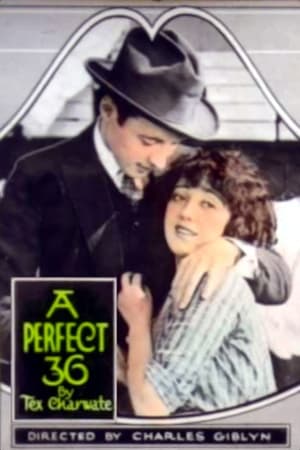
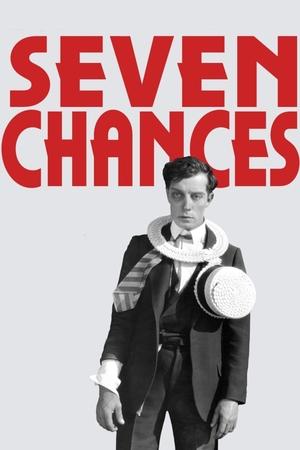
A man fakes an engagement to a typist to please his rich aunt.
Believed to be the first film to feature cannibals.
A wiley street vendor flees London in search of the American dream promised by his late father, but he can’t find it anywhere.
Hijinks ensue when The Girlies are forced to face the unexpected.
Mr. Snookie steals an umbrella and then, while trying to help a woman to cross a puddle, the Tramp appears and intervenes.
A tramp gets drunk in a hotel lobby and, upstairs, causes some misunderstandings between Mabel, two hotel guests across the hall from her room, and Mabel's visiting sweetheart.
Charlie plays an actor who bungles several scenes and is kicked out. He returns convincingly dressed as a lady and charms the director, but Charlie never makes it into the film.
The hero, a janitor played by Chaplin, is fired from work for accidentally knocking his bucket of water out the window and onto his boss the chief banker (Tandy). Meanwhile, one of the junior managers (Dillon) is being threatened with exposure by his bookie for gambling debts unpaid. Thus the manager decides to steal from the company.
A womanizing city man meets Tillie in the country. When he sees that her father has a very large bankroll for his workers, he persuades her to elope with him.
A meek young man must find the courage within when a rogue tramp menaces his hometown.
A hapless young man living in New York City rallies to save his girlfriend's grandfather's horse-drawn trolley, the last in the city, from being put out of business by a railroad company.
When a store clerk organizes a contest to climb the outside of a tall building, circumstances force him to make the perilous climb himself.
This early Chaplin film has him playing a character quite different from the Tramp for which he would become famous. He is a rich, upper-class gentleman whose romance is endangered when his girlfriend oversees him being embraced by a maid. Chaplin's romantic interest in this film, Minta Durfee, was the wife of fellow Keystone actor, Roscoe "Fatty" Arbuckle.