Adventurer, filmmaker, inventor, author, unlikely celebrity and conservationist: For over four decades, Jacques-Yves Cousteau and his explorations under the ocean became synonymous with a love of science and the natural world. As he learned to protect the environment, he brought the whole world with him, sounding alarms more than 50 years ago about the warming seas and our planet’s vulnerability. In BECOMING COUSTEAU, from National Geographic Documentary Films, two-time Academy Award®-nominated filmmaker Liz Garbus takes an inside look at Cousteau and his life, his iconic films and inventions, and the experiences that made him the 20th century’s most unique and renowned environmental voice — and the man who inspired generations to protect the Earth.
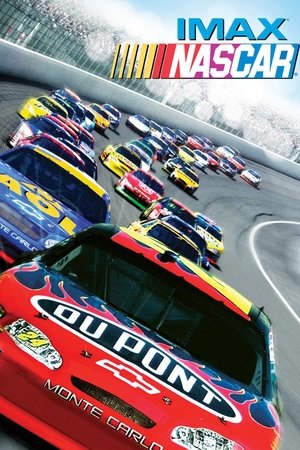
A big-screen look into one of America's most successful entertainment industries, NASCAR racing.
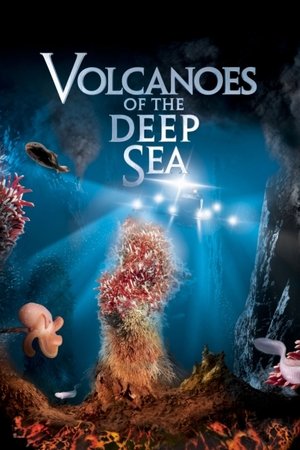
12,000 feet down, life is erupting. Alvin, a deep-sea mechanized probe, makes a voyage some 12,000 feet underwater to explore the Azores, a constantly-erupting volcanic rift between Europe and North America.
Infamous disappearances of ships and aircrafts, stories of lives lost — they’re all part of the legend of the 500,000-square-mile expanse of the Atlantic Ocean known as the Bermuda Triangle. In this one-hour special, National Geographic Channel explores the area’s ominous reputation by draining the water from it to see what exactly lies below the surface of the mythical triangle. With the aid of data from sophisticated sonar surveys, see what the ocean floor looks like below the Bermuda Triangle. Witness what strange geological features will be revealed and whether they will shed light on the mysterious occurrences that have been documented within the boundaries of this area of ocean.
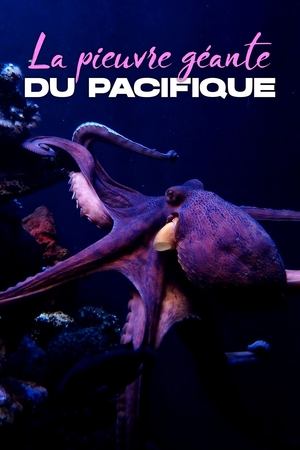
Atlantis is filmmaker Luc Besson's celebration of the beauty and wonder of the world beneath the sea, expanding upon themes touched on in his film The Big Blue. Combining stunning underwater cinematography and a hypnotic score by Eric Serra, Besson's singular vision defies dialogue or narrative structure to explore ocean life as you've never seen it before. Following the colossal success of The Big Blue, Luc Besson crisscrossed the world's seas and oceans to film the beauty and diversity of marine life: from the giant octopuses of Vancouver to the manta rays of the Pacific (New Caledonia), and the grey sharks of Tahiti. A film with no actors or sets other than the underwater world. A breathtaking view of marine species: sharks, dolphins, manatees, octopuses. An exploration of the seabed in the Bahamas, the Galapagos, Vancouver, and Tahiti.
Titans of the Ice Age transports viewers to the beautiful and otherworldly frozen landscapes of North America, Europe and Asia ten thousand years before modern civilization. Dazzling computer-generated imagery brings this mysterious era to life - from saber-toothed cats and giant sloths to the iconic mammoths, giants both feared and hunted by prehistoric humans.
Deep Blue is a major documentary feature film shot by the BBC Natural History Unit. An epic cinematic rollercoaster ride for all ages, Deep Blue uses amazing footage to tell us the story of our oceans and the life they support.
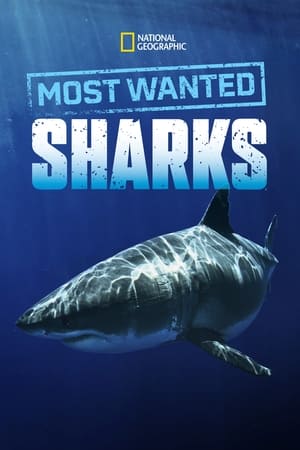
Bertie heads to South Africa for his most audacious mission yet. The wild waters here are a hotspot for one of the ocean’s most famous and feared predators, the great white shark. Diving in the shallows without a cage, Bertie will attempt to film these huge sharks. By entering their domain, he discovers the challenges they face on our rapidly changing planet.
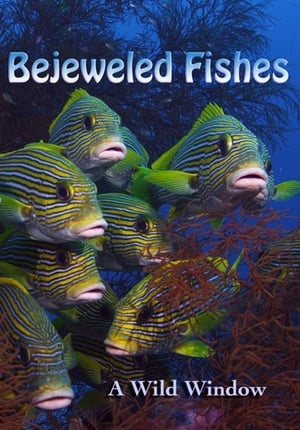
Bejeweled Fishes captures the spectacular beauty of the myriad fishes inhabiting coral reefs of the Tropical and Eastern Pacific. This Wild Window was captured in the Maldives Islands, Fiji, the Philippines, Mexico, California, and Indonesia.
Described as being a film about determination, danger and the ocean’s greatest depths, James Cameron's "Deepsea Challenge 3D" tells the story of Cameron’s journey to fulfill his boyhood dream of becoming an explorer. The movie offers a unique insight into Cameron's world as he makes that dream reality – and makes history – by becoming the first person to travel solo to the deepest point on the planet.
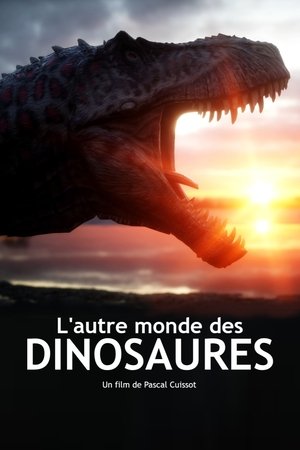
La vie des dinosaures
Follow a three-month-old baby whale on a magical journey down one of the Earth’s great ocean highways to discover the incredible world of ocean currents. She will never know it, but as she swims with the flow of the current, her story becomes inexorably connected to our own. Ocean currents are hidden marine rivers that flow around the Earth. They are responsible for the fish we eat, the rain that feeds our crops, the snow that covers our mountains - even the air we breathe, and they have been helping to keep the temperature of our planet just right for life for millions of years. As our young whale goes with the flow of the current on a great migration from the warm tropics to the frozen ice floes of Antarctica, she meets the curious creatures that call the current home.
An ecological drama/documentary, filmed throughout the globe. Part thriller, part meditation on the vanishing wonders of the sub-aquatic world.
Peter Snow presents highlights from today's three deep-sea dives around the world. In 2002 BBC organized three concurrent dives , first in Monterey Bay where unmanned submersible is lowered into underwater canyon which is over mile deep. Second dive is in Grand Cayman where submersible Atlantis will explore life at the spectacular Cayman Wall , Kate Humble reports . During the dive, the crew used bait to attract a deep-water giant, the six-gill shark. Third dive takes place in middle of the Atlantic 1200 miles west of Portugal, which is also deepest of the three dives, divers will descent in Russian submersible Mir from research vessel Keldish and the Mir will dive in the bottom of the ocean in 2300 metres .
A 3-D documentary chronicling a sea turtle's journey across the oceans.
David Attenborough brings to life, in unprecedented detail, the last days of the dinosaurs. Palaeontologist Robert DePalma has made an incredible discovery in a prehistoric graveyard: fossilised creatures, astonishingly well preserved, that could help change our understanding of the last days of the dinosaurs. Evidence from his site records the day when an asteroid bigger than Mount Everest devastated our planet and caused the extinction of the dinosaurs. Based on brand new evidence, witness the catastrophic events of that day play out minute by minute.
Cephalopods: The Reign of Suckers
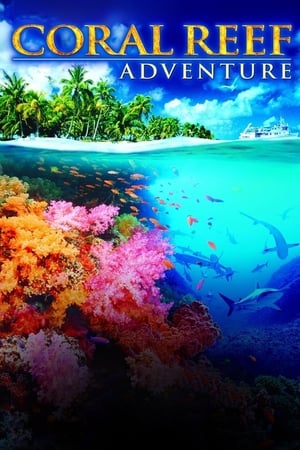
Coral Reef Adventure follows the real-life expedition of ocean explorers and underwater filmmakers Howard and Michele Hall. Using large-format cameras, the Halls guide us to the islands and sun-drenched waters of the South Pacific to document the health and beauty of coral reefs. Featuring songs written and recorded by Crosby, Stills & Nash.
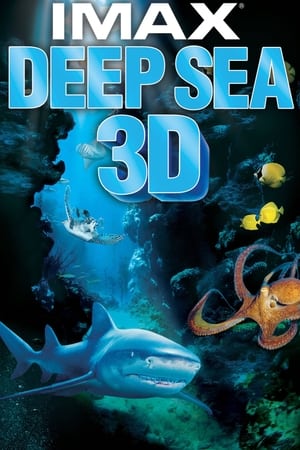
Sea life in a whole new way. Deep Sea 3D, an underwater adventure from the filmmakers behind the successful IMAX® 3D film Into the Deep, transports audiences deep below the ocean surface. Through the magic of IMAX®; and IMAX 3D, moviegoers will swim with some of the planets most unique, dangerous and colorful creatures, and understand this inspiring underworld.
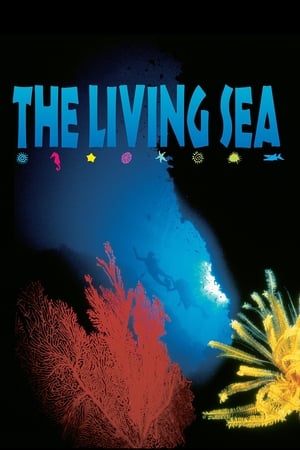
The Living Sea celebrates the beauty and power of the ocean as it explores our relationship with this complex and fragile environment. Using beautiful images of unspoiled healthy waters, The Living Sea offers hope for recovery engendered by productive scientific efforts. Oceanographers studying humpback whales, jellyfish, and deep-sea life show us that the more we understand the ocean and its inhabitants, the more we will know how to protect them. The film also highlights the Central Pacific islands of Palau, one of the most spectacular underwater habitats in the world, to show the beauty and potential of a healthy ocean.