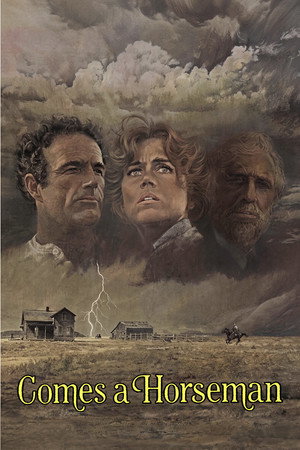
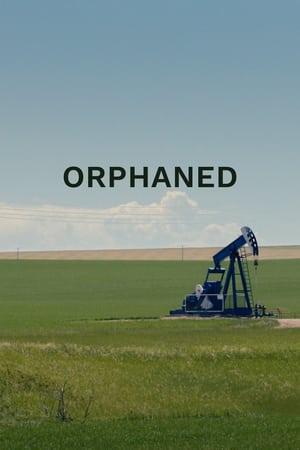
Ella Connors is a single woman who gets pressured to sell her failing cattle farm to her corrupt ex-suitor, Jacob Ewing. She asks for help from her neighbor, Frank Athearn. As Ella and Frank fight back through stampedes, jealousy, betrayal, and sabotage... they eventually find love.
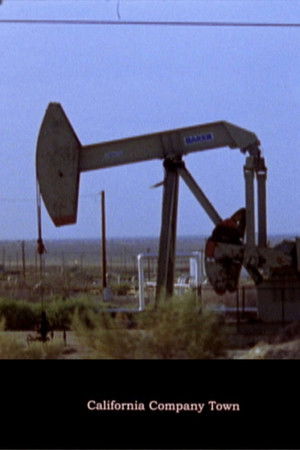
Lee Anne Schmitt explores California's landscape and past to document the history of one-time boom towns built and abandoned by the industries that necessitated their creation. Sold as a limitless land expansive with free opportunity, California was actually, from its onset, fissured by the interwoven needs of private and public interests. Schmitt's film covers various locations through time, as the major industries of the early 20th century (mining, lumber, oil) give way to the military, eventually leading to multinational corporations, and the use of small towns as satellites for growing urban metropolises.
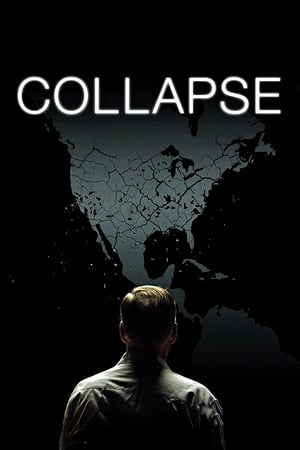
From the acclaimed director of American Movie, the documentary follows former Los Angeles police officer turned independent reporter Michael Ruppert. He recounts his career as a radical thinker and spells out his apocalyptic vision of the future, spanning the crises in economics, energy, environment and more.
Experts say over the next hundred years the "perfect storm" of population growth, resource depletion and climate change could converge with catastrophic results. The scenarios in Earth 2100 are not a prediction of what will happen but rather a warning about what might happen.
August 1922. An American journalist, Jerry Thompson, travels to the Soviet Union and arrives in Azerbaijan. He visits the settlement of Mardakan in Baku. There, he meets an elderly man at a villa. Thompson can hardly believe what he hears. Standing before him is Haji Zeynalabdin Taghiyev, a once-great oil producer, millionaire, and philanthropist who lost all his wealth after the establishment of Soviet rule. Haji recounts his life story to the guest, a journey that saw him rise from a humble mason to an influential oil industrialist.
Since World War II North Americans have invested much of their newfound wealth in suburbia. It has promised a sense of space, affordability, family life and upward mobility. As the population of suburban sprawl has exploded in the past 50 years Suburbia, and all it promises, has become the American Dream. But as we enter the 21st century, serious questions are beginning to emerge...
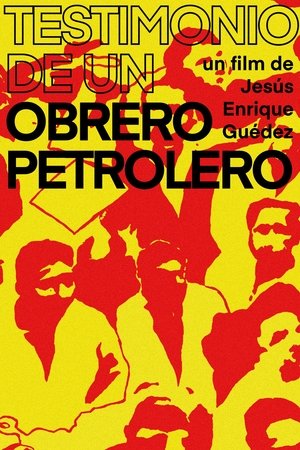
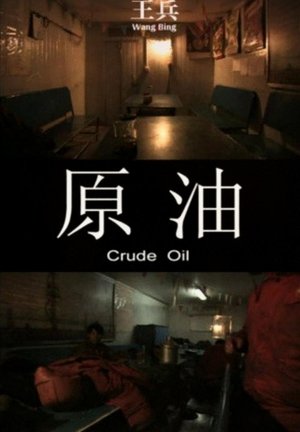
Filmed in the Inner Mongolian portion of the Gobi Desert, this film follows a group of oil field workers as they go about their daily routine.
A political thriller steeped in illegal oil trading, the Russian Mafia, and governmental cover-ups.
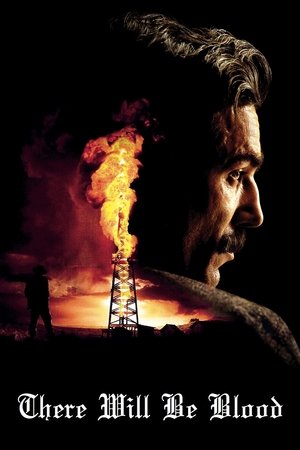
Ruthless silver miner, turned oil prospector, Daniel Plainview, moves to oil-rich California. Using his son to project a trustworthy, family-man image, Plainview cons local landowners into selling him their valuable properties for a pittance. However, local preacher Eli Sunday suspects Plainview's motives and intentions, starting a slow-burning feud that threatens both their lives.
An oil platform dramatically goes down on the Norwegian coast, and researchers try to find out what happened when they realize this is just the start of something even more serious.
The idyllic life of a young Cajun boy and his pet raccoon is disrupted when the tranquility of the bayou is broken by an oil well drilling near his home.
The causes underlying the collapse of civilizations are usually traced to overuse of resources. As we write this, the world is reeling from economic chaos, peak oil, climate change, environmental degradation, and political turmoil. Every day, the headlines re-hash stories of scandal and betrayal of the public trust. We don't have to make outraged demands for the end of the current global system - it seems to be coming apart already. But acts of courage, compassion and altruism abound, even in the most damaged places. By documenting the resilience of the people hit hardest by war and repression, and the heroism of those coming forward to confront the crisis head-on, END:CIV illuminates a way out of this all-consuming madness and into a saner future. Backed by Jensen's narrative, the film calls on us to act as if we truly love this land. The film trips along at a brisk pace, using music... Written by Franklin Lopez
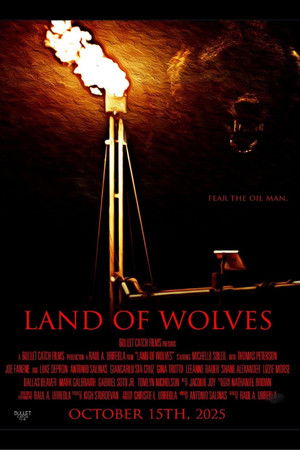
A vaporwave psychological thriller about landmen traveling to North Dakota to obtain rights to undeveloped land, owned by a man who hates the oil industry.
The story will mostly take place in the town Oil Springs, Ontario, where the oil industry in North America was born. By making a case study of this town, we can better understand how the industry operates today. The documentary will explore themes of colonialism, climate change and Canadian identity.
Wiebo Ludwig is the leader of a Christian group who brought his family to live in Alberta, Canada, 25 years ago in order live a life according to scripture. They built a small, self-sufficient community in a place that they did not realize was one of the largest undeveloped natural gas fields in North America. Unlike others who lived in the area, Wiebo and his family refused to sell their land and move, and now Wiebo is the prime suspect in a series of pipeline bombings and other acts of sabotage against the local oil industry.
When oil is discovered in 1920s Oklahoma under Osage Nation land, the Osage people are murdered one by one—until the FBI steps in to unravel the mystery.
Moving between a local microcosm and the global oil crisis, H2Oil weaves together a collection of compelling stories of people who are at the front lines of the biggest industrial project in human history: Canada's tar sands. H2Oil is a feature-length documentary that traces the wavering balance between the urgent need to protect and preserve fresh water resources and the mad clamoring to fill the global demand for oil. It is a film that asks: what is more important, water or oil? Will the quest for profit overshadow efforts to protect public health and the environment in Canada's richest province?
It's Tulsa, Oklahoma at the start of the oil boom and Cherokee Lansing's rancher father is killed in a fight with the Tanner Oil Company. Cherokee plans revenge by bringing in her own wells with the help of oil expert Brad Brady and childhood friend Jim Redbird. When the oil and the money start gushing in, both Brad and Jim want to protect the land but Cherokee has different ideas. What started out as revenge for her father's death has turned into an obsession for wealth and power.
In this evocative meditation, a disturbing link is made between the resource extraction industries’ exploitation of the land and violence inflicted on Indigenous women and girls. Or, as one young woman testifies, “Just as the land is being used, these women are being used.”
In an oil-scarce world, we know there are sacrifices to be made in the pursuit of energy. What no one expected was that a tiny Native community, living down the river from Canada's tar sands, would reach out to the world for help — and be heard.