Free to Be…You and Me, a project of the Ms. Foundation for Women, is a record album, and illustrated book first released in November 1972, featuring songs and stories from many current celebrities of the day (credited as "Marlo Thomas and Friends") such as Alan Alda, Rosey Grier, Cicely Tyson, Carol Channing, Michael Jackson, and Diana Ross, among others. An ABC Afterschool Special using poetry, songs, and sketches, followed two years later in March 1974. The basic concept is to encourage a post-60's gender neutrality, while saluting values such as individuality, tolerance, and happiness with one's identity. A major thematic message is that anyone, whether a boy or a girl, can achieve anything.
Boog, Elliot, and their forest friends return with an all-new adventure, this time in a Big Top Circus! The comedy begins when Boog's pals choose their family obligations over the annual guy's trip, and a disappointed Boog decides to take a trip of his own, which leads him right into the middle of a circus ring...literally. When he switches places with a devious look-a-like circus grizzly and falls for an alluring Russian troupe member, he'll come to realize that maybe you don't have to choose between family and friendship after all.
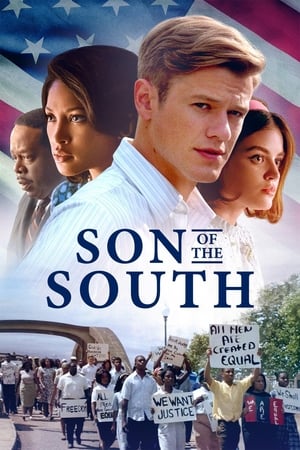
Joe Grant, a light-skinned African American, heads to a small Southern town to investigate the lynching death of his brother. He draws the attention of a gorgeous heiress whom he learns may have been involved in the killing.
Peaceful citizens (one of whom resembles Felix the Cat) are dancing to music before their island is being invaded by a gigantic rodent that resembles Mickey Mouse. The islanders contact legendary folk-hero Momotaro from a giant book to battle Mickey.
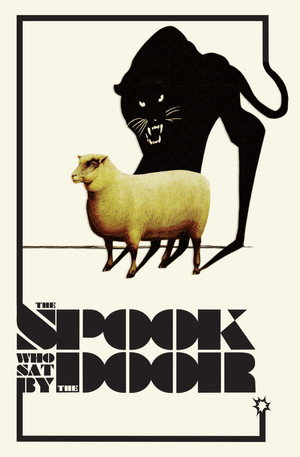
A black man plays Uncle Tom in order to gain access to CIA training, then uses that knowledge to plot a new American Revolution.
A widowed doctor of both Chinese and European descent falls in love with a married American correspondent in Hong Kong during China's Communist revolution.
Pepe wants to belong to the luxurious lifestyle of Leo, his best friend. To achieve this, he creates a world of lies that will put more than his friendship at risk.
A family must use a magical box of Animal Crackers to save a rundown circus from being taken over by their evil uncle Horatio P. Huntington.
Hani, Kasih and Saya have shared a deep friendship since their youth. Now, after years, the three meet again. But no matter where they are, it becomes clear time and again that everyday racism affects their lives. Nonetheless, their friendship gives them strength. Until one dramatic night shakes everything up.
As her world is shrouded in darkness, a young girl must overcome her fears and travel to a mysterious city of light, save her father from a dangerous scientist and prevent the destruction of her planet.
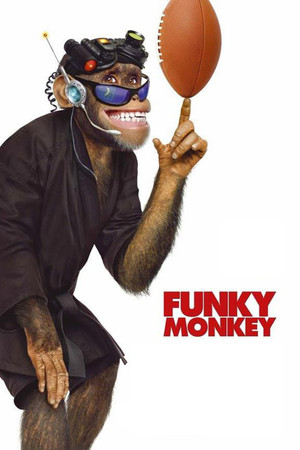
Short movie from 1934 about a war between monkeys and bears.
This very brief cartoon from Japan whose title translated means "The Monkey Fleet" and runs little more than a minute has the Asian monkeys battling octopuses as they both go underwater with the simian animals riding in submarines shooting their torpedo bullets at the sea creatures.
South Africa, 1978. Tim Jenkin and Stephen Lee, two white political activists from the African National Congress imprisoned by the apartheid regime, put a plan in motion to escape from the infamous Pretoria Prison.
In February, 1962, as the civil rights movement reaches Bayonne, Louisiana, a New York journalist arrives to interview Jane Pittman, who has just turned 110. She tells him her story dating back to her earliest memories before slavery ended. In between the chapters of her life, the present-day struggles of Blacks in Bayonne, urged on by Jimmy, are dramatized.
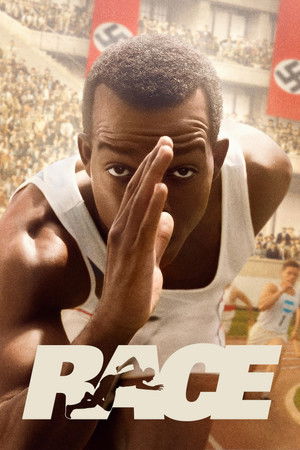
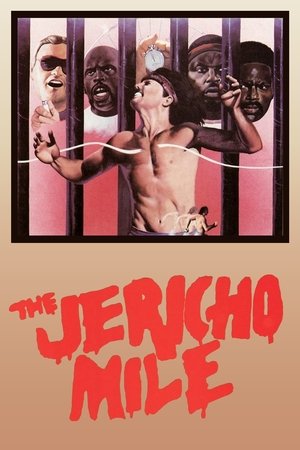
A runner, serving a life sentence at Folsom Prison, works at becoming the world's fastest miler and wins a chance to compete for a spot on the Olympic team.
A rare documentary that shows how Soviet war propaganda presented the events of the Finnish front in 1941–1944. The main emphasis is on the resolution of the war. The film contains plenty of unique footage of the final stages of the Continuation War.
Bonobono: Kumomo no Ki no Koto was the second theatrical Bonobono movie, released by Amuse Pictures in theaters in Japan on August 10, 2002. It was done completely in 3D.
The military anti-terrorist army takes control of "Chuspi", an unknown and faraway small village, isolated by the terrorist group "Sendero Luminoso" (Shining Path). A soldier called Vitin Luna, and other young soldiers face an invisible, perhaps superior force. Their unit is commanded by a brutal lieutenant who declares the entire village guilty of treason. In the face of this crisis, Vitin must choose between blind obedience and his own conscience.
In a French nightclub, choreographed song and dance routines are performed, rather than a streamlined narrative. They tell the story of Parisian culture and politics from the 1920s—1980s. A disparate, anachronistic series of characters, including an ordinary waiter, a Nazi collaborator, resistance fighters, and 1960s student protestors gather to celebrate and satirize 20th century France's icons, demons, and social changes.
A New York journalist lies when his fake story about a pimp describes a real pimp up for murder.