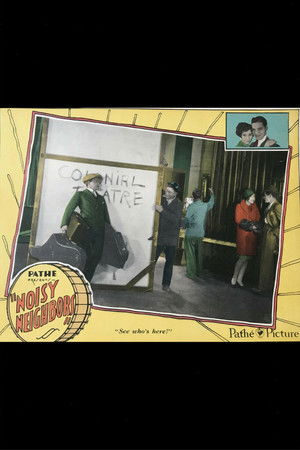
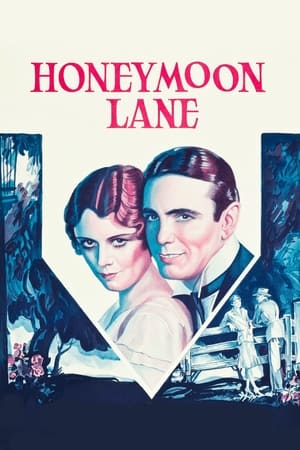
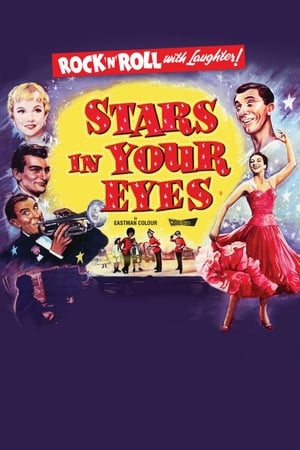
Three Broadway chorus girls seek rich husbands.
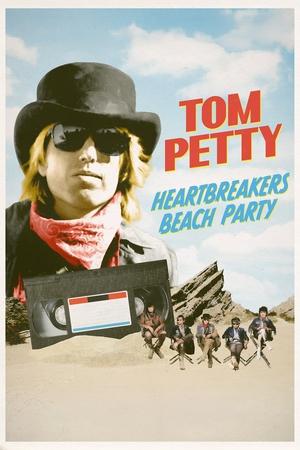
Documentary that captures Tom Petty and the band in 1982-1983 as they finish, promote, and tour around the “Long After Dark” album (their final with legendary producer Jimmy Iovine). It aired only once on MTV in 1983. After the long lost 16mm reels were finally found, a restored version with 19 minutes of extra footage was released in 2024.
Recounting the life and romantic struggles of the celebrated Italian opera composer Vincenzo Bellini. Set in 19th-century Naples, the story follows the young and ambitious Bellini as he struggles to establish himself in the world of classical music. Bellini falls deeply in love with Maddalena Fumaroli, the daughter of a high-ranking official. Her devotion and faith in his talent serve as the "divine spark" that drives him to compose his most famous works, including the opera Norma. Their romance faces stiff opposition from Maddalena’s father, who views a struggling musician as an unsuitable match for his daughter. To ensure Bellini’s success, Maddalena makes significant personal sacrifices, eventually leading to a poignant and tragic conclusion.
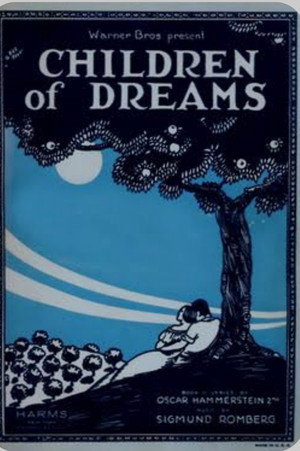
Phil and Pete compete for Mary's love and also in a contest for best song written by a college student.
Itinerant Scot performers: One daughter of a veteran trouper weds a ne'er do well and dies in childbirth.Her spendthrift man goes but later returns to bleed the old man out of remaining savings.Another daughter makes good as a singer.
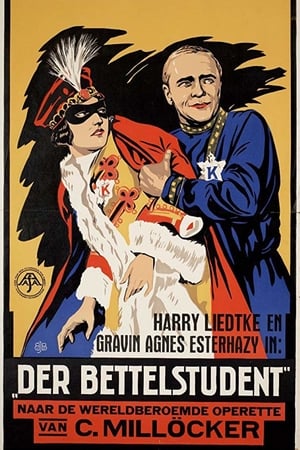
Der Bettelstudent
A variety film consisting of 13 solo songs and two musical sketches, one comedic, the other serious, all in the Italian language but made entirely in the USA by members of the Italian-American community in New York. Missed by the American Film Institute and IMDb, information was found in the New York State Archives' files from that state's old censors' office.
A power company floods a sleepy Tennessee Valley for a dam to run a hydraulic power plant. Garry, a Northern engineer on the project, falls in love with Caroline, Colonel Bradford's adopted daughter.
A lost film featuring "Grand Ole Opry" style acts.
One day, Molly Standing is picking apples in her father's apple orchard in California, with her friend Gertie (Marion Byron), when they meet two boys, Tommy Melville and Gus Schultz. Molly falls in love with Tommy while Gertie falls in love with Gus. They plan a double wedding.
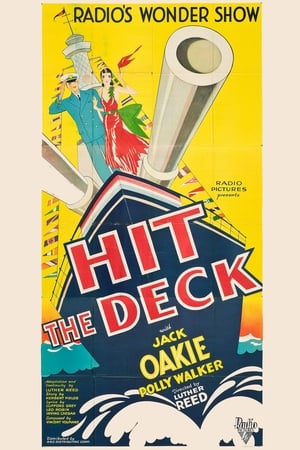
A sailor finds himself the object of a cafe owner's affections.
A musical comedy telling a simple story of backstage life and romance. Featuring Lucky Millinder and his Orchestra and Putney Dandridge.
A group of feisty, talented young performers pool their resources and buy a dilapidated theatre to showcase their acts – but unscrupulous property developers also want the theatre and resort to dirty tricks to disrupt the first night's performance!
This musical comedy with an all-black cast imagines what television entertainment will be like in the near future.
Musical film with an all-black cast.
A theater manager about to go bankrupt decides to accept help from his daughter and her boyfriend to save the family's finances, which she does with the sponsorship of a rich man.
Crime comedy.
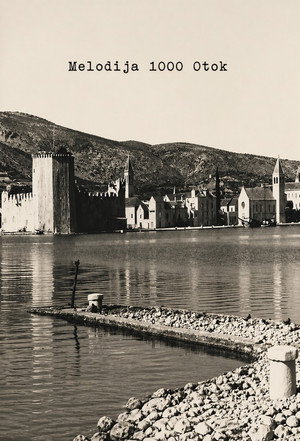
The first Croatian sound feature film. Viennese painter, bound to an oath that will endure whole month without a woman, goes to Adriatic coast to paint, but in Trogir he sees beauty Mira and falls in love with her.
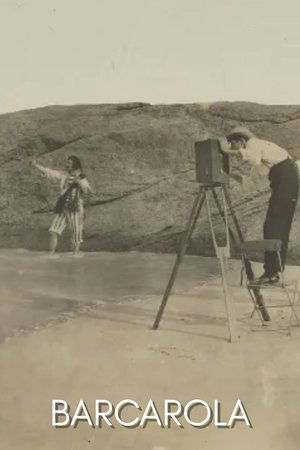
Barcarola is a 1908 Brazilian film directed by Júlio Ferrez. It was the first "sound" film in Brazil, that is, with actors dubbing themselves live, behind the screen, based on already recorded images. Premiered on September 1, 1908. It was produced by the company William e Cia. The film was inspired by the operetta "Les contes d'Hoffmann", by composer and cellist Jacques Offenbach. The film's synopsis is unknown, but given the name, which references the song "Barcarolle", it is very likely that it is inspired by the third act of Les contes d'Hoffmann. Like many films from this era, Barcarola is considered a lost film, with only one surviving image, taken during the film's production.
Second attempt to create a feature film out of the 200,000-plus feet of film which Soviet film-maker Sergei Eisenstein shot during 1931-32 in Mexico for American socialist author Upton Sinclair, his wife and a small company of investors. The projected film, to be called "Que Viva Mexico", was never completed due to exhaustion of funds and Stalin's demand that Eisenstein return to the USSR (he had been absent since 1929). The first attempt at editing the footage, in the USA, resulted in "Thunder Over Mexico", released in 1934. In 1940, Marie Seton, from the UK, acquired some of the footage from the Sinclairs in an attempt to make a better cutting according to Eisenstein's skeletal outline for the proposed film. This film has apparently been lost.