They Made the Land (1938) is a documentary showcasing how land in Scotland was reclaimed and cultivated for agriculture. It explores the challenges of making a living from the land while highlighting the contributions of agricultural research and animal breeding. Produced as part of a series of seven documentaries for the 1938 Empire Exhibition, the film was created under the supervision of pioneering documentarian John Grierson.
Documentery from 1991 where The 2 Live Crew, Chuck D (Public Enemy), Too Short, Ice-T, Geto Boys, H.W.A. drop real talk on different topics.
The story of the Northern Ireland Troubles through the unflinching testimony of two men who played key roles on opposite sides of that bloody conflict. Nearly ten years ago the two paramilitary leaders told their stories on condition that they could never be revealed while they were still alive. The stories told by the Irish Republican Army's Brendan Hughes and Ulster Volunteer Force's David Ervine tell us of the motivations of the participants, the planning of campaigns of violence, the misery of a hunger strike, the tracking and killing of informers and the duplicity that ended a conflict that had lasted too long. It is also a narrative of the fate of combatants when their wars are over.
A photographer and a filmmaker challenge each other to shoot—one to photograph the other to film—two young actresses, one from Tokyo, the other from the countryside. The photographer seeks naturalism in his compositions, and Kawase observes and comments on his work. The competition between the photographer, the filmmaker, and the actresses creates a charged atmosphere.
Of all the great ballerinas, Tanaquil Le Clercq may have been the most transcendent. With a body unlike any before hers, she mesmerized viewers and choreographers alike. With her elongated, race-horse physique, she became the new prototype for the great George Balanchine. Because of her extraordinary movement and unique personality on stage, she became a muse to two of the greatest choreographers in dance, George Balanchine and Jerome Robbins. She eventually married Balanchine, and Robbins created his famous version of Afternoon of a Faun for her. She had love, fame, adoration, and was the foremost dancer of her day until it suddenly all stopped. At the age of 27, she was struck down by polio and paralyzed. She never danced again. The ballet world has been haunted by her story ever since.
Activists of the LGBTQ+ association Rain Arcigay Caserta come back living in a property given to them in concession, confiscated from the Camorra in Castel Volturno. The goal is to reconnect with the local inhabitants and propose a new idea of sharing and regenerating the park.
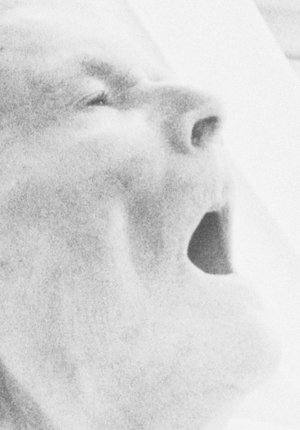
Gunvor Nelson stares intently at her mother Carin, a woman whose body has been devastated by the challenges of her last days on this earth. In three astute shots, Nelson looks with honesty rather than awe at a woman whose spirit has somehow flown away but whose body still demands a share of our time and our space.
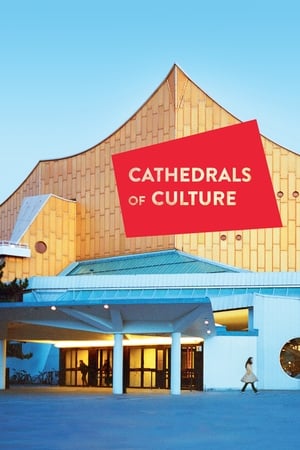
"If buildings could talk, what would they say about us?" CATHEDRALS OF CULTURE offers six startling responses. This 3D film project about the soul of buildings allows six iconic and very different buildings to speak for themselves, examining human life from the unblinking perspective of a manmade structure. Six acclaimed filmmakers bring their own visual style and artistic approach to the project. Buildings, they show us, are material manifestations of human thought and action: the Berlin Philharmonic, an icon of modernity; the National Library of Russia, a kingdom of thoughts; Halden Prison, the world's most humane prison; the Salk Institute, an institute for breakthrough science; the Oslo Opera House, a futuristic symbiosis of art and life; and the Centre Pompidou, a modern culture machine. CATHEDRALS OF CULTURE explores how each of these landmarks reflects our culture and guards our collective memory.
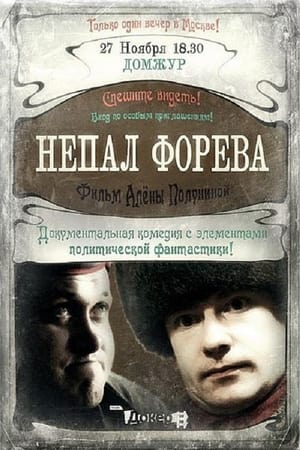
This film features two Russian communist politicians. Being committed Leninists; both of them have served several terms as city council members. Their horizons are broad, but what concerns them the most is the future of global communism. At one point, by decree of fate, their booming activities begin to expand far beyond the boundaries of their native St. Petersburg and the Russian Federation. However, the future of global communism remains unclear. What remains clear is the fact that in the modern world the tail still wags the dog. A documentary comedy.
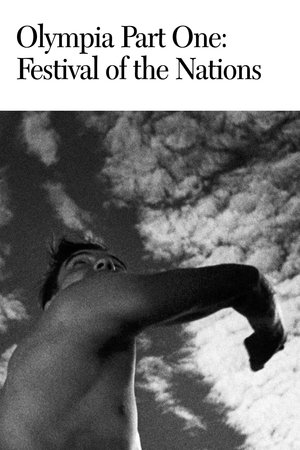
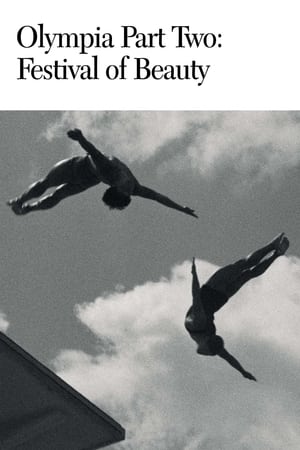
Starting with a long and lyrical overture, evoking the origins of the Olympic Games in ancient Greece, Riefenstahl covers twenty-one athletic events in the first half of this two-part love letter to the human body and spirit, culminating with the marathon, where Jesse Owens became the first track and field athlete to win four gold medals in a single Olympics.
Part two of Leni Riefenstahl's monumental examination of the 1938 Olympic Games, the cameras leave the main stadium and venture into the many halls and fields deployed for such sports as fencing, polo, cycling, and the modern pentathlon, which was won by American Glenn Morris.
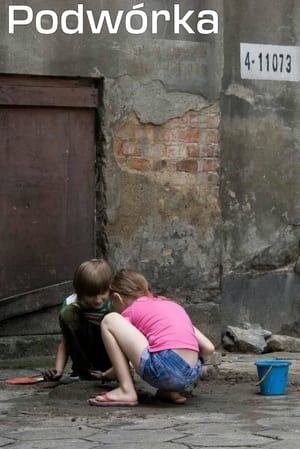
‘Podwórka’ captures six groups of neighbourhood youth as they play in seemingly deserted yards, offering an intimate portrait of daily life in Łódź, Poland. Shot with a fixed camera, this single-channel video projection highlights American artist Sharon Lockhart’s concern for the interrelationship between the still and the moving image.
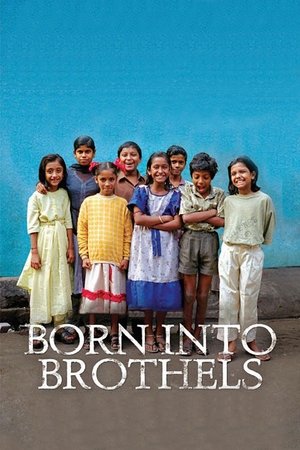
Documentary depicting the lives of child prostitutes in the red light district of Songachi, Calcutta. Director Zana Briski went to photograph the prostitutes when she met and became friends with their children. Briski began giving photography lessons to the children and became aware that their photography might be a way for them to lead better lives.
A dual portrait of young drifters on the streets of Odessa, where every day seems the same and the future keeps getting further away.
The film describes the microcosmos of the small village Wacken and shows the clash of the cultures, before and during the biggest heavy metal festival in Europe.
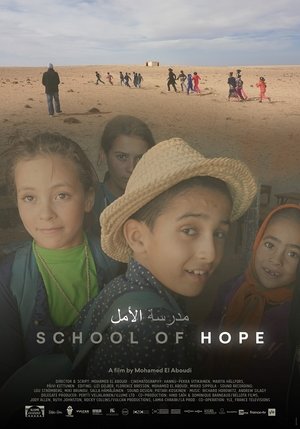
In the vast expanse of desert East of Atlas Mountains in Morocco, seasonal rain and snow once supported livestock, but now the drought seems to never end. Hardly a blade of grass can be seen, and families travel miles on foot to get water from a muddy hole in the ground. Yet the children willingly ride donkeys and bicycles or walk for miles across rocks to a "school of hope" built of clay. Following both the students and the teachers in the Oulad Boukais Tribe's community school for over three years, SCHOOL OF HOPE shows students Mohamed, Miloud, Fatima, and their classmates, responding with childish glee to the school's altruistic young teacher, Mohamed. Each child faces individual obstacles - supporting their aging parents; avoiding restrictions from relatives based on traditional gender roles - while their young teacher makes do in a house with no electricity or water.
Rated X, a short documentary about the adult industry, focuses on giving a voice to the porn actresses working within it. In a perspective of showing how these women empower themselves with their job, Rated X shows the porn industry like never before.
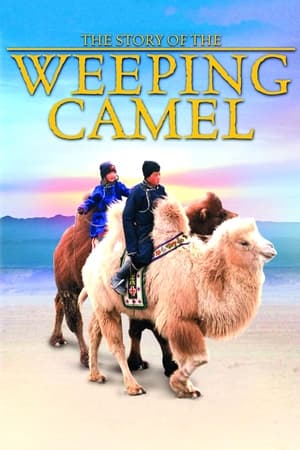
When a Mongolian nomadic family's newest camel colt is rejected by its mother, a musician is needed for a ritual to change her mind.
Jason Momoa's story of fatherhood, craftsmanship, and the legacy he'll leave behind.
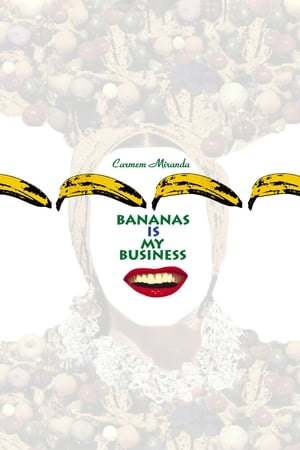
A biography of the Portuguese-born Brazilian singer Carmen Miranda, whose most distinctive feature was her tutti-frutti hat. From her arrival in the US as the "Brazilian Bombshell" to her Broadway career and Hollywood stardom in the 1940s.