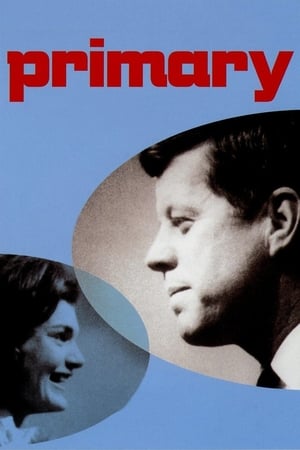
Primary is a documentary film about the primary elections between John F. Kennedy and Hubert Humphrey in 1960. Primary is the first documentary to use light equipment in order to follow their subjects in a more intimate filmmaking style. This unconventional way of filming created a new look for documentary films where the camera’s lens was right in the middle of what ever drama was occurring. Preserved by the Academy Film Archive in partnership with The Film Foundation in 1998.
Rossana Rossanda was born on April 23, 1924 in Pula, Istria, Italy. The documentary shows her politic career in the Italian Comunist Party and her ideas.
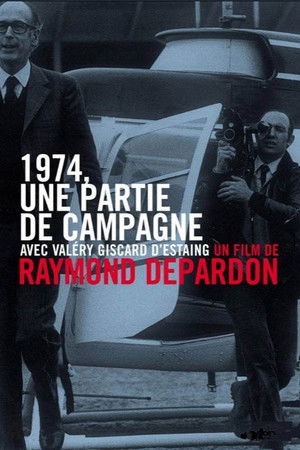
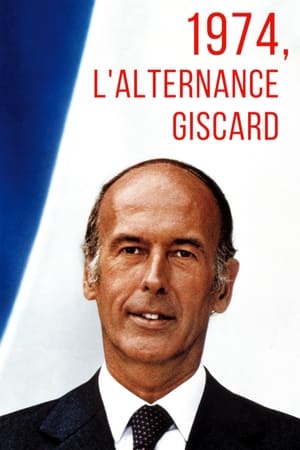
Following the 1974 French presidential campaign with Valéry Giscard d’Estaing.
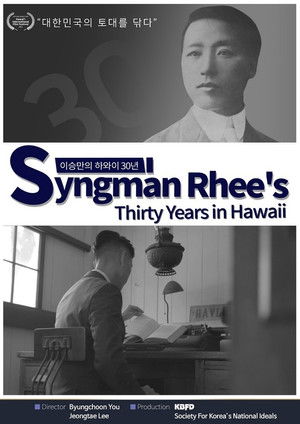
Syngman Rhee, the founding president of the Republic of Korea spent a total of thirty years in Hawaii. The first 25 years occurred before he was elected the founding president and five years were after he resigned from the presidency. What is the significance of 30 years in one’s life span?
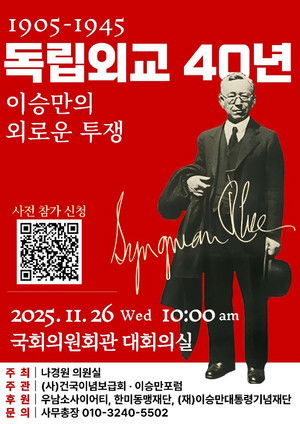
Forty Years of Diplomacy For Independence: Syngman Rhee's Lonely Struggle
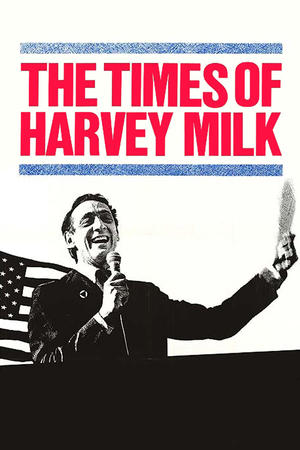
Harvey Milk was an outspoken human rights activist and one of the first openly gay U.S. politicians elected to public office; even after his assassination in 1978, he continues to inspire disenfranchised people around the world.
Since South and North Korea's liberation in 1945, North Korea, a communist dictatorship that suppresses freedom and oppresses human rights, and South Korea, which has entered the path of economic prosperity and advanced countries based on freedom and democracy, have taken different paths. How did the two countries with the same language, history, and race, become divided into two extreme countries? A work that highlights the sacrifices and struggles of President Syngman Rhee and the first generation of founding members who worked to create and protect today's Republic of Korea over the past 70 years of history.
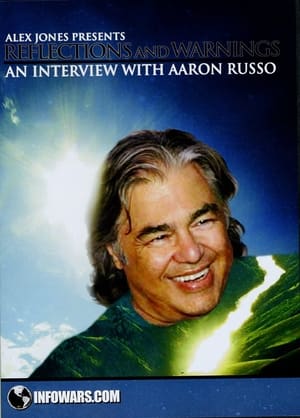
In an historic final interview, filmmaker and music promoter Aaron Russo goes in depth on the insider-knowledge given to him by a member of the Rockefeller family. Russo was told– prior to 9/11– of plans to stage terror attacks, invade foreign nations, and kickstart a high-tech police state control grid that would track the populations’ every move with implantable RFID microchips. This information-packed presentation is filled with never-before seen footage. Throughout the film, Alex Jones breaks down the latest activities of the New World Order and how it ties into what Russo predicted.
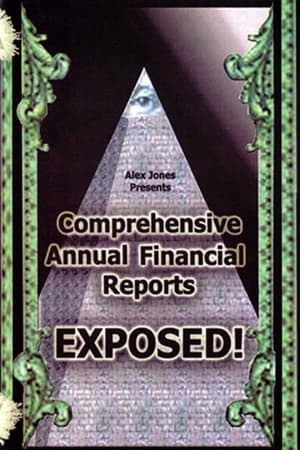
Alex Jones interviews Walter Burien, commodity trading adviser (CTA) of 15 years about the biggest game in town. There are over 85,000 federal and regional governmental institutions: school districts, water and power authorities, county and city governments – and they own over 70 percent of the stock market.
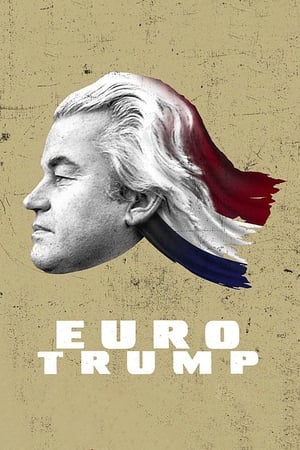
A documentary focused on right wing populist Geert Wilders, called The Dutch Donald Trump, as he runs for Prime Minister of the Netherlands.
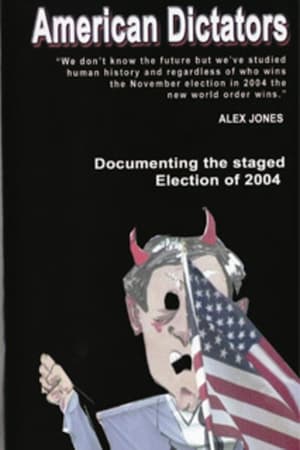
In Alex Jones' 11th feature documentary, made in 2004, Alex documents the major candidates in the staged 2004 United States presidential election.
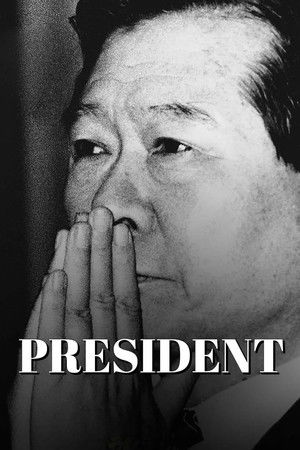
This documentary celebrates the life of former President Kim Dae-joong, who fought for democracy in South Korea and peace in the Korean Peninsula. It marks the 10th anniversary of his passing and covers his challenging journey, from his childhood on an island to his imprisonment, exile, near-death experiences, and ultimately becoming the president.
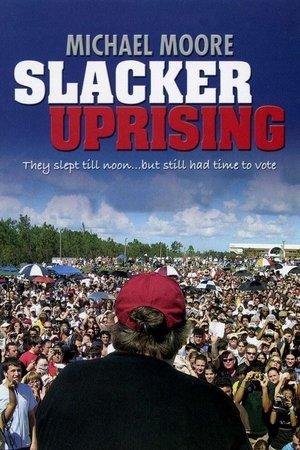
Michael Moore visits colleges in swing states during the 2004 election with a goal to encourage 18–29 year olds to vote.
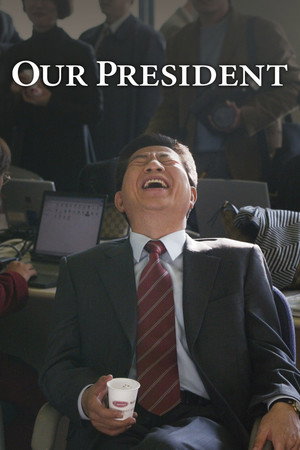
In South Korea, 2002, the Democratic Party put the presidential nomination to a plebiscite for the first time. Amongst numerous candidates, the one who brought about the most unexpected result was a fringe candidate named Roh Moo-hyun.
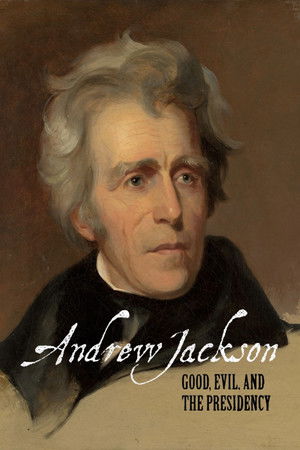
A fascinating account of the presidency of Andrew Jackson, who was both one of America's great presidents and a borderline tyrant. The seventh president shook up the glossy world of Washington, DC with his "common-man" methods and ideals, but also oversaw one of the most controversial events in American history: the forced removal of Indian tribes, including the Cherokees, from their homes.
In May 1974, Valéry Giscard d'Estaing became the third President of the Fifth Republic. An alternation of power that did not speak its name opened the doors of power to a reforming president. Abortion, divorce by mutual consent, lowering the age of majority to 18 - in less than two years, the youngest President of the Republic - at the time - carried out reforms with a vengeance, without a united majority in Parliament, before failing in the economic sphere and losing the battle against unemployment. At the age of 90, the former President of the Republic has agreed to look back on these years and gives us a valuable account of his time in power.
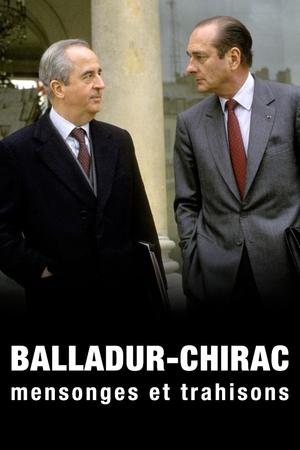
Balladur-Chirac, mensonges et trahisons
10 mai 1981, le jour du grand soir
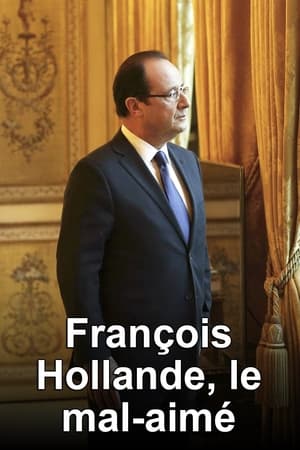
François Hollande, le mal-aimé
May 2021: The world sees a way out of the coronavirus pandemic. Manuele Bertoli takes over as President of the Ticino cantonal government and enters his last term of office with a great deal of optimism. But things don't turn out as he had hoped.