In 1960s France, a jazz musician becomes the subject of an impromptu documentary.
Immersed in music from an early age, Judith Hill's work blends soul, R&B and funk. Her sincere and fragile creations prove just how much courage and strength it takes for women to make their mark in the male-dominated music industry.
In the Swedish city of Lethe, people from different walks of life take part in a series of short, deadpan vignettes that rush past. Some are just seconds long, none longer than a couple of minutes. A young woman remembers a fantasy honeymoon with a rock guitarist. A man awakes from a dream about bomber planes. A businessman boasts about success while being robbed by a pickpocket, and so on. The absurdist collection is accompanied by Dixieland jazz and similar music.
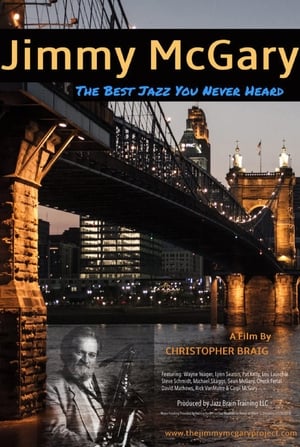
Tenor saxophonist Jimmy McGary was a major presence in the Cincinnati music scene from the 1950s until his death in the early ’90s. With music rooted in Bebop with a progressive slant, the Jazz legend was a session player for King Records and released his first album as a bandleader — The First Time (with a quartet that included pianist Pat Kelly) — in 1979. McGary’s spirit and legacy have lived on well after his passing and well beyond Cincinnati, as evidenced in this new documentary film.
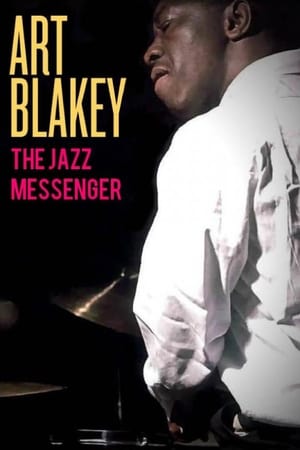
A portrait of inspirational jazz drummer and teacher Art Blakey with Dizzy Gillespie, many pupils including Wayne Shorter, the Marsalis brothers, and a surprising new generation of musicians and dancers.
Ella Fitzgerald visited Australia back in 1960. Gracefully stepping up to the microphone for the celebrated television event 'The BP Super Show', hosted by musician and entertainer Horrie Dargie, Fitzgerald delivered a mellifluous set of legendary songs in an intimate concert setting at The Embers Nightclub in Toorak Road, South Yarra Victoria. This rarely seen B&W television treat is considered to be one of the earliest audio-visual recordings of the 'First Lady of Song', backed by the smooth sounds of the Lou Levy Quartet. Beside Fitzgerald's performance of 14 memorable Jazz and Blues classics, the program also contains original BP musical interludes and jingles from the Horrie Dargie Quartet.
Ben Model discusses scoring music for silent movies.
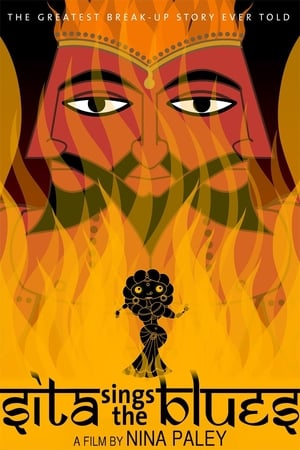
Utilizing the 1920s jazz vocals of Annette Hanshaw, the epic Indian tale of exiled prince Ramayana and his bride Sita is mirrored by a spurned woman's contemporary personal life, and light-hearted but knowledgeable discussion of historical background by a trio of Indian shadow puppets.
Diana Krall | Live at the Montreal Jazz Festival
Recorded live at Open Theater East, Tokyo, Japan on July 25, 1993. Keith Jarrett piano - Gary Peacock bass - Jack De Johnette drums /// 1. In Your Own Sweet Way 2. Butch And Butch 3. Basin Street Blues 4. Solar 5. Ex-tension 6. If I Were A Bell 7. I Fall In Love Too Easily 8. Oleo 9. Bye Bye Blackbird 10. The Cure 11. I Thought About You
The two musical masters swing out.
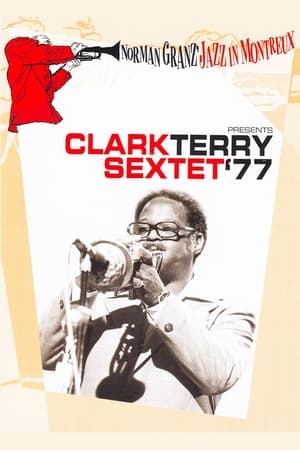
Oscar Peterson is accompanied by the stellar duo of bassist Ray Brown and drummer Ed Thigpen for each concert performance. This is the classic Oscar Peterson Trio, considered by many to be the best Oscar Peterson Band ever. Oscar and the trio collaborate with trumpeters Clark Terry (Finland'65) and Roy Eldridge (Sweden'63) and re-create some of the excitement and fun of the Jazz at the Philharmonic (JATP) tours. Among the many highlights in this collection are the Oscar and vocalist-trumpeter Clark Terry collaboration on the ever-popular Mumbles ,and for the first time on commercial video, an Oscar Peterson Trio rendition of Tonight from his award-winning West Side Story album.
"Hope You Like It" is a heartwarming short documentary that delves into the life of Ken “K-Brick” Cooper, a talented jazz musician whose music carries the weight of a cherished family legacy. Set against the backdrop of an isolated mall in Laughlin, Nevada, this short film captures Ken's poignant journey as he serenades the empty hallways with original jazz compositions. His saxophone, a precious gift from his late father just before his passing, serves as a powerful connection to the past.
Tarik Shah, supremely talented Muslim American jazz bassist, endured 15 years of unjust imprisonment. Shah toured with jazz legend Betty Carter and was invited to play at President Bill Clinton's inauguration, only to be unfairly targeted by the FBI after 9/11. This is the inspirational true story of his music, resilience, and unconquerable spirit
T-Square's 30th anniversary concert.
Stop for Bud is Jørgen Leth's first film and the first in his long collaboration with Ole John. […] they wanted to "blow up cinematic conventions and invent cinematic language from scratch". The jazz pianist Bud Powell moves around Copenhagen -- through King's Garden, along the quay at Kalkbrænderihavnen, across a waste dump. […] Bud is alone, accompanied only by his music. […] Image and sound are two different things -- that's Leth's and John's principle. Dexter Gordon, the narrator, tells stories about Powell's famous left hand. In an obituary for Powell, dated 3 August 1966, Leth wrote: "He quite willingly, or better still, unresistingly, mechanically, let himself be directed. The film attempts to depict his strange duality about his surroundings. His touch on the keys was like he was burning his fingers -- that's what it looked like, and that's how it sounded. But outside his playing, and often right in the middle of it, too, he was simply gone, not there."
Saxophone player Charlie ‘Bird’ Parker comes to New York in 1940 and is quickly noticed for his remarkable way of playing. He becomes a drug addict but his loving wife Chan tries to help him.
Dizzy Gillespie is one of the major figures of the 20th Century's music scene. Everything was once said or written about this genius musician, founder of the Bebop. Whereas his public life is known from most, many ignore about the modest side of his character and the story of his long and deep friendship with a man rather unknown from the general public, the Swiss engineer Jacques Muyal. Through previously unrevealed archives as well as musical extracts, this documentary explores the story of the friendship between a genius trumpeter and a man crazy about Jazz.
"It must schwing!" was the motto of Alfred Lion and Francis Wolff, two German Jewish immigrants who in 1939 set up Blue Note Records, the jazz label that was home to such greats as Miles Davis, John Coltrane, Herbie Hancock, Thelonious Monk, Art Blakey, Dexter Gordon and Sonny Rollins. Blue Note, the most successful movie ever made about jazz, is a testimony to the passion and vision of these two men and certainly swings like the propulsive sounds that made their label so famous.
"Sax Maniac: The Life and Times of James Chance" delves into the groundbreaking career of James Siegfried, better known as James Chance or James White, a seminal figure in the late 1970s and early 1980s New York City "No Wave" music scene. Produced and directed by his brother, David Siegfried, the documentary chronicles James's journey from his early days in Milwaukee, Wisconsin, where he first explored jazz and protopunk.