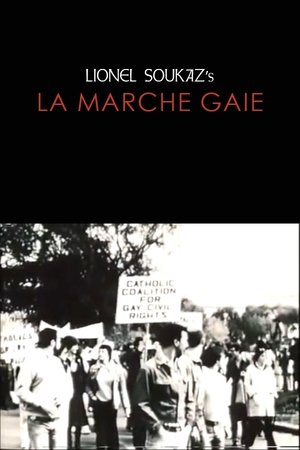
A short documentary about the October 14 1979 March For Lesbian And Gay Rights in Washington D.C.
Michael Cockerell sheds new light on the tragi-comedy of the 1970s by focusing on some of its most controversial characters. With fresh filming and new interviews, along with a treasure trove of rare archive, the film presents the inside story of giant personalities who make today's public figures look sadly dull in comparison. The well-known journalist revisits some of his films on the big characters who helped shaped the 1970s in Britain. Both tragic and comic, it highlights just how much our world has changed in four decades.
Extranjeros de sí mismos
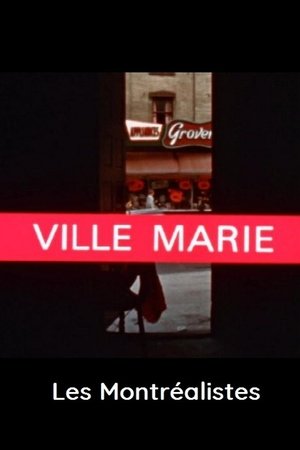
Today it is the city of Montreal, but 3 centuries ago the tiny band of missionary founders called it Ville-Marie, the holy city of Mary. This film goes back to its beginning and those who felt called to plant an oasis of Christianity in the North American wilderness. In an imaginative, at times almost surrealistic, way the film recalls the highborn company from France, and shows what survives of Ville-Marie in the Montreal of today.
A "life without work" - this is the idea propagated by the "Anarchist Pogo Party of Germany" (APPD). In order to spread its unique political concept and to make the background to its activities appear transparent and credible to the voting public, the APPD commissioned a renowned film production company to create a loose mixture of subliminal propaganda and sympathetic trivialization. The film was also to focus on the glorification of the APPD politicians appearing in the election campaign in order to create the basis for a profitable cult of personality. A film that makes it crystal clear, compelling and, of course, intentional that the mob is on its way to power.
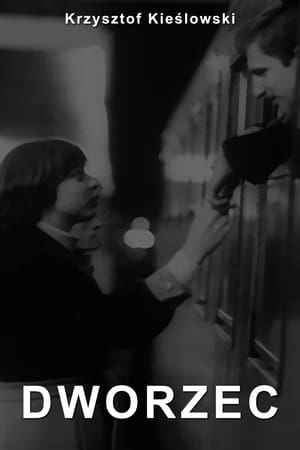
Warsaw's Central Railway Station. 'Someone has fallen asleep, someone's waiting for somebody else. Maybe they'll come, maybe they won't. The film is about people looking for something.
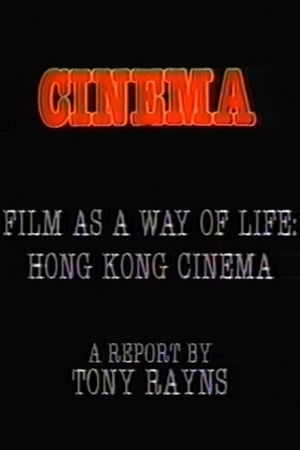
Examines the early 1980s Hong Kong filmmaking community. Tony Rayns interviews some of the new generation of filmmakers and figures from the wider film culture.
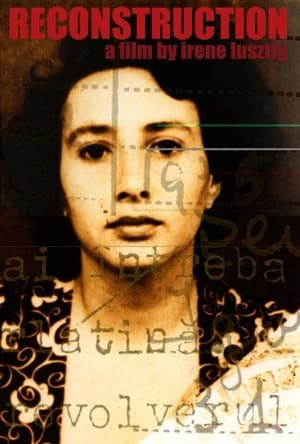
Filmmaker Irene Lusztig unearths a dark family secret in search of answers and reconciliation in her breakthrough feature documentary, "Reconstruction."
Alliances Terrestres
Paul Robeson: Here I Stand presents the life and achievements of an extraordinary man. Athlete, singer, and scholar, Robeson was also a charismatic champion of the rights of the poor working man, the disfranchised and people of color. He led a life in the vanguard of many movements, achieved international acclaim for his music and suffered tremendous personal sacrifice. His story is one of the great dramas of the 20th century, spanning an international canvas of social upheaval and ideological controversy.
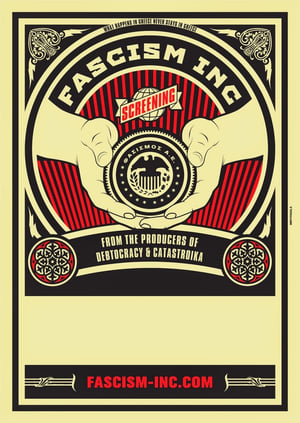
Unknown short stories from the past, the present and the future of fascism and its relation to the economic interests of each era. We will travel from Mussolini’s Italy to Greece under the Nazi occupation, the civil war and the dictatorship; and from Hitler’s Germany to the modern European and Greek fascism.
Offering unprecedented access to the 20 days leading up to the 2025 Presidential Inauguration — through the eyes of the First Lady-elect herself — step inside Melania Trump's world as she orchestrates inauguration plans, navigates the complexities of the White House transition, and reenters public life with her family. With exclusive footage capturing critical meetings, private conversations, and never-before-seen environments, Mrs. Trump returns to one of the world's most powerful roles.
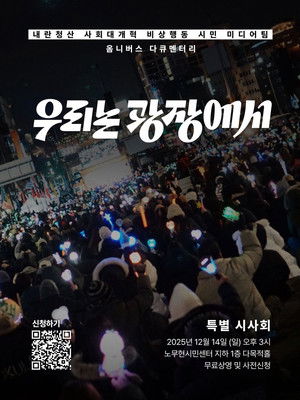
The Hundred Squares: "No more delays," the cry of citizens echoes from the lives of those barely holding out against discrimination and hatred. Struggling with diverse identities in their daily lives, citizens reflect on the meaning of "discrimination" through their own experiences and testimonies. They question and reflect on what is needed to eliminate it and speak out before the camera. The Blooming Equalities: discrimination law that has been on hold for 20 years. A lawyer, a researcher, a religious figure, a writer, and an activist stand in the square again after a year, and, in this time of rampant right-wing extremism and hate, they speak of an anti-discrimination law as "the right answer to ending the insurrection, the last line of defense for human dignity, a current that can no longer be held back, a square that cannot at all harm families, churches, and the nation, and a place where the voices of the less fortunate can be heard."
Ep1. The Martyr and the Left: Under the Yoon Suk-yeol administration, construction workers were branded as “construction gangsters,” forced to endure a period of hardship. Ep2. Purple Ribbon: Wearing purple jackets and holding purple light sticks, the families of the victims of the October 29 Itaewon Disaster stand out on the street. Ep3. Dream, Breath: “I” keep waking up from dreams of being chased, a recurring cycle that haunts me day after day. Ep4. Breaking the Silence: Chai-han, who once said their dream was to become a human-rights activist, gradually grows distant from that dream after entering university. Ep5. Dancing Volunteer: After the December 3 martial law was declared, Park Pyeong-hwa felt compelled to return to the square. Ep6. Beyound the Impeachment: We interviewed a diverse group of people who came to the square after the December 3 uprising.
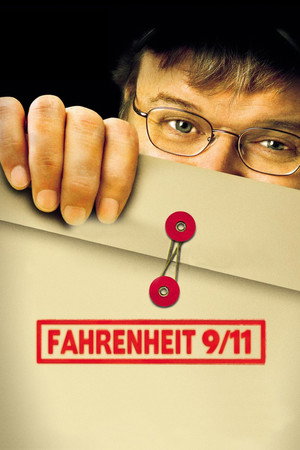
Michael Moore's view on how the Bush administration allegedly used the tragic events on 9/11 to push forward its agenda for unjust wars in Afghanistan and Iraq.
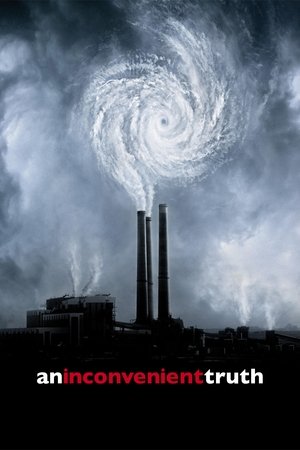
A documentary on Al Gore's campaign to make the issue of global warming a recognized problem worldwide.
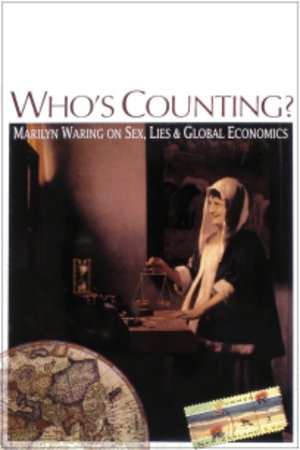
This documentary profiles economist and writer Marilyn Waring. In extensive interviews, Waring details her feminist approach to finances and challenges commonly accepted truths about the global economy. The filmmakers detail Waring's early rise to political prominence and her successful protests against nuclear arms. Waring also speaks candidly about wartime economies, suggesting that government policies tend to marginalize the fiscal contributions of women.
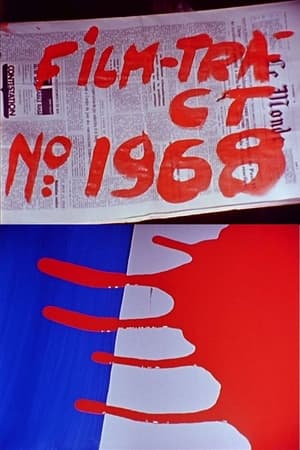
In the 1968 movement in Paris, Jean-Luc Godard made a 16mm, 3-minute long film, Film-tract No.1968, Le Rouge, in collaboration with French artist Gérard Fromanger. Starting with the shot identifying its title written in red paint on the Le Monde for 31 July 1968, the film shows the process of making Fromanger’s poster image, which is thick red paint flows over a tri-color French flag. —Hye Young Min
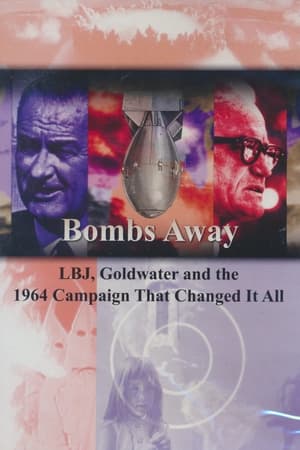
The political ad "Peace Little Girl" aired during the 1964 presidential campaign ushered in a new era of the television attack ad. The campaign also reshaped the American political landscape in other significant ways ultimately ending up with the establishment of the contemporary geopolitical map of red and blue states. Includes interviews with historians and participants in the campaign.
Journal d'un électeur