Critical investigation of The World Bank and IMF. Too hot for PBS, but prime time TV everywhere else. Do the World Bank and IMF make the poor even poorer? Are the Bank and IMF democratic institutions? Why do people demonstrate against the Bank and IMF? For the first time, a documentary global investigation of major criticisms of the World Bank and the International Monetary Fund (IMF), two of the most powerful financial institutions in the world. Five country case studies are presented, each concentrating on a different aspect of critics' charges: 1. Bolivia: Debt, Drugs and Democracy 2. Ghana: The Model of Success 3. Brazil: Debt, Damage and Politics 4. Thailand: Dams and Dislocation 5. Philippines: The Debt Fighters. The charges, including those related to structural adjustment, are controversial and provocative. Some go to the heart of the power and policies of these institutions.
The famous Spanish comedian Andreu Buenafuente, CEO of the production company El Terrat and prestigious TV host, tells how he and his numerous collaborators, both on set and behind the cameras, managed to carry on with their work despite the chaos and the several logistical and human problems caused by the global pandemic that began in early 2020.
Famous Spanish film critic Alfonso Sánchez talks about his personal life, his work and Anouk Aimée. A sentimental tribute to one of the most relevant figures on the Spanish film scene.
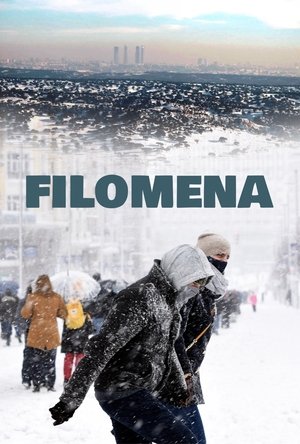
The Filomena snowstorm in central Spain was undoubtedly exceptional. Its return period in many places exceeded half a century, particularly in Madrid. Despite accurate weather forecasts, Filomena brought roads, public transport, health centers, and other basic services in Madrid to a standstill. What went wrong in the management of this weather event?
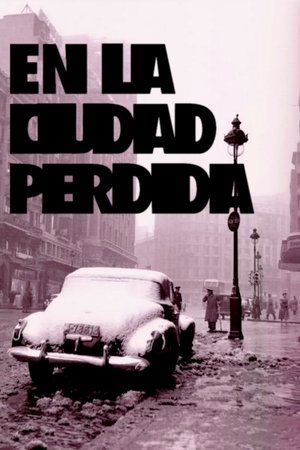
The city of Madrid as it appears in the Spanish films of the 1950s. A small tribute to all those who filmed and portrayed Madrid despite the dictatorship, censorship and the critical situation of industry and society.
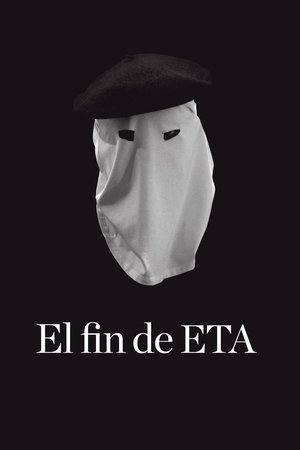
The chronicle of the process, ten long years, that led to the end of ETA (Euskadi Ta Askatasuna), a Basque terrorist gang that perpetrated robberies, kidnappings and murders in Spain and the French Basque Country for more than fifty years. Almost 1,000 people died, but others are still alive to tell the story of how the nightmare finally ended.
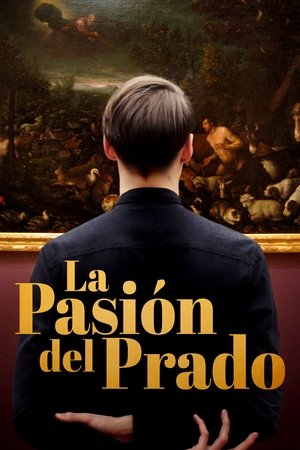
A journey through four hundred paintings, all masterpieces, among the more than nine thousand treasured in the Prado Museum, Madrid, Spain.
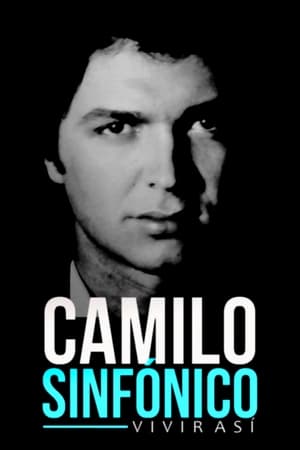
An account of the successful life and work of Spanish singer and actor Camilo Sesto (1946-2019), the portentous, almost miraculous, voice of Spanish pop music for decades, through his own point of view, told during his last interview and in many others, and through the words of those creators whose own work has been strongly influenced both by his art and his magnetic personality.
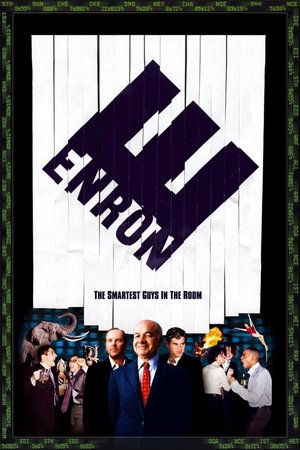
A documentary about the Enron corporation, its faulty and corrupt business practices, and how they led to its fall.
7291
Six elderly retired women, two from Buenos Aires, Argentina; two from Montevideo, Uruguay; and two from Madrid, Spain, have something in common, despite their different interests and lives: they go to the movies almost every day.
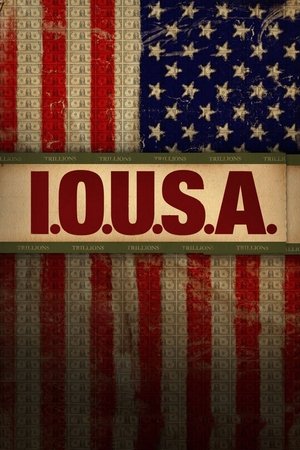
With the country's debt growing out of control, Americans by and large are unaware of the looming financial crisis. This documentary examines several of the ways America can get its economy back on the right track. In addition to looking at the federal deficit and trade deficit, the film also closely explores the challenges of funding national entitlement programs such as Social Security, Medicare and Medicaid.
Documentary about human impact on the world.
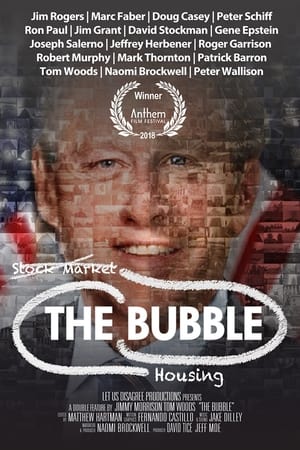
Diving deep into the true causes of the Great Recession, the financial crisis of the 2010s, renowned economists, investors and business leaders explain what America is facing if we don't learn from our past mistakes. Is the economy really improving or are we just blowing up another Bubble?
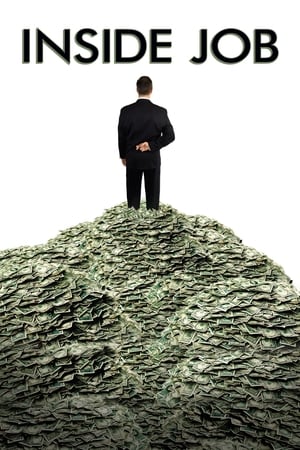
A film that exposes the shocking truth behind the economic crisis of 2008. The global financial meltdown, at a cost of over $20 trillion, resulted in millions of people losing their homes and jobs. Through extensive research and interviews with major financial insiders, politicians and journalists, Inside Job traces the rise of a rogue industry and unveils the corrosive relationships which have corrupted politics, regulation and academia.
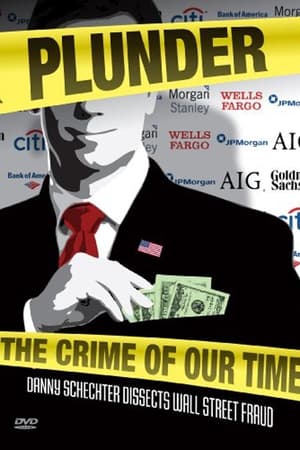
Plunder: The Crime of Our Time is a hard-hitting investigative film by Danny Schechter. The "News Dissector" explores how the financial crisis was built on a foundation of criminal activity uncovering the connection between the collapse of the housing market and the economic catastrophe that followed.
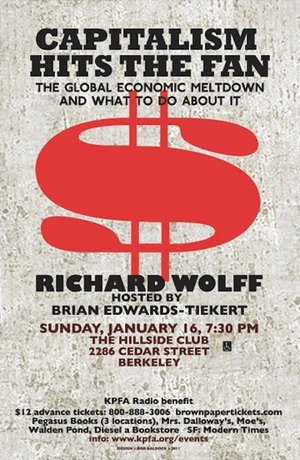
With breathtaking clarity, renowned University of Massachusetts Economics Professor Richard Wolff breaks down the root causes of today's economic crisis, showing how it was decades in the making and in fact reflects seismic failures within the structures of American-style capitalism itself. Wolff traces the source of the economic crisis to the 1970s, when wages began to stagnate and American workers were forced into a dysfunctional spiral of borrowing and debt that ultimately exploded in the mortgage meltdown. By placing the crisis within this larger historical and systemic frame, Wolff argues convincingly that the proposed government "bailouts," stimulus packages, and calls for increased market regulation will not be enough to address the real causes of the crisis, in the end suggesting that far more fundamental change will be necessary to avoid future catastrophes.
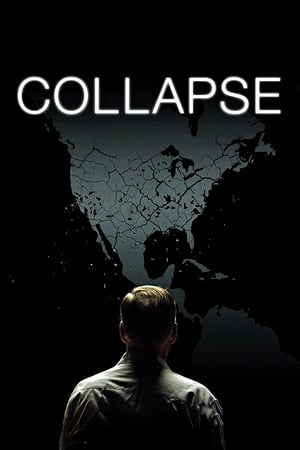
From the acclaimed director of American Movie, the documentary follows former Los Angeles police officer turned independent reporter Michael Ruppert. He recounts his career as a radical thinker and spells out his apocalyptic vision of the future, spanning the crises in economics, energy, environment and more.
La ciudad es nuestra
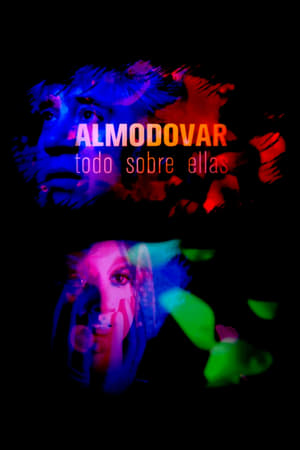
When looking at Pedro Almodóvar’s filmography, it becomes evident that women are everywhere; in fact, his work revolves around them. His divas are the best to create a real portrait of Almodóvar and evoke the emotional power of his films. These women are the ideal observers of a cinematic career that, from La Mancha to Hollywood, has changed the image of Spain in the world.