Stanley Nelson's syncopated voyage through the history of funk music, from early roots to 1970s urban funk and beyond.
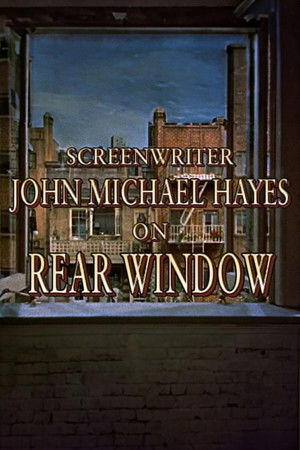
Screenwriter John Michael Hayes reminisces about his partnership with Alfred Hitchcock during the making of the classic 1954 film Rear Window.
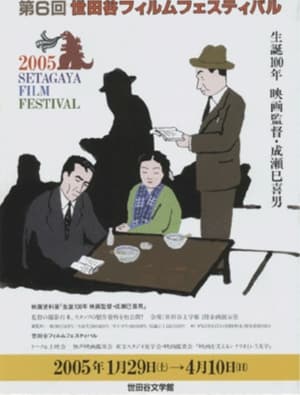
Because his style was similar to that of Yasujiro Ozu, who was already active at Shochiku, he moved to PCL (currently Toho) in 1933, where he appeared in the talkie works "My Wife, Like a Rose" and "Tsuruhachi Tsurujiro." It got attention. There were times when he was unable to make as many films as he wanted due to wartime film regulations and post-war Toho disputes, but in 1951 he revived his career with Meshi. Since then, he has released masterpieces one after another, including "Okaasan," "Lightning," "The Couple," "Wife," "Anii Mouto," "Sounds of the Mountain," and "Bangiku." The pinnacle of his work, "Floating Clouds," is Kenji Mizoguchi's "Wife." Even director Ozu was impressed, calling it a masterpiece of Japanese cinema, on par with "The Sisters of Gion." He depicted ordinary people in everyday life with an everyday realism that was not influenced by lyricism, and he consistently sought out women as his subjects.
Iranian film director Amir Naderi talks to Zar Amir Ebrahimi about his career in this documentary directed and produced by Ebrahimi and broadcast by BBC World Service and BBC Persian. Amir Naderi is one of the most influential figures of Iranian modern cinema. He was born in 1945 in the Persian Gulf port of Abadan. Orphaned at an early age and living the life of a street urchin, Naderi had to survive by selling ice, working as a shoeshine boy and recycling empty beer bottles. He developed his knowledge of cinema by watching films in the theaters where he worked at a very young age. He began his career by taking pictures for some notable Iranian features. In the 1970’s, he started directing his own films, and made some of the most important movies of the New Iranian Cinema. After moving to New York in the early 90’s, Amir Naderi continued to make films. They have premiered at the Venice, Cannes, Tribeca, and Sundance Film Festivals.
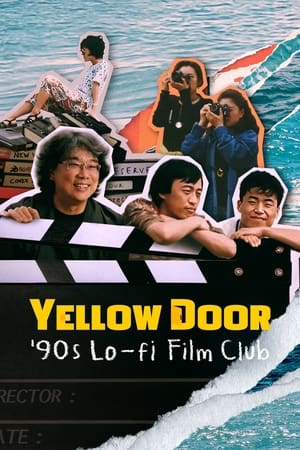
This intimate documentary explores a bygone era of cinematic passion and the emergence of young film enthusiasts in South Korea, including Bong Joon Ho.
TV-documentary about the German actor Otto Eduard Hasse
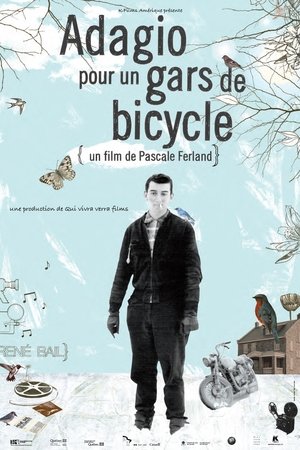
Adagio pour un gars de bicycle
A dramatization of the life of the acclaimed American musician, Prince, who died from an accidental overdose at the age of just 57 in 2016.
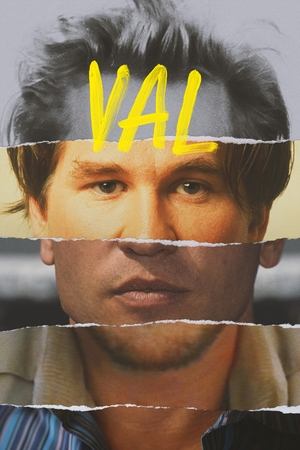
For over 40 years Val Kilmer, one of Hollywood's most mercurial and/or misunderstood actors, has been documenting his own life and craft through film and video. He has amassed thousands of hours of footage, from 16mm home movies made with his brothers, to time spent in iconic roles for blockbuster movies like Top Gun, The Doors, Tombstone, and Batman Forever. This raw, wildly original and unflinching documentary reveals a life lived to extremes and a heart-filled, sometimes hilarious look at what it means to be an artist and a complex man.
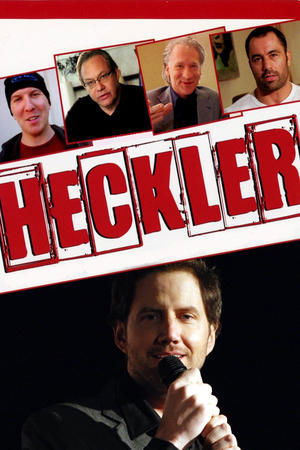
HECKLER is a comedic feature documentary exploring the increasingly critical world we live in. After starring in a film that was critically bashed, Jamie Kennedy takes on hecklers and critics and ask some interesting questions of people such as George Lucas, Bill Maher, Mike Ditka, Rob Zombie, Howie Mandel and many more. This fast moving, hilarious documentary pulls no punches as you see an uncensored look at just how nasty and mean the fight is between those in the spotlight and those in the dark.
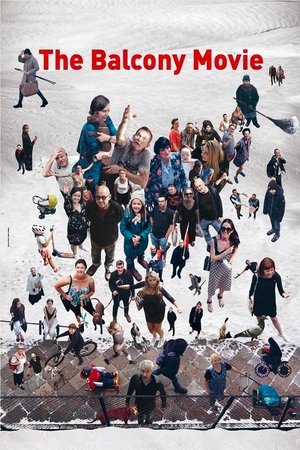
Composed from the conversations that the director holds with people passing by in the street under his Warsaw apartment, each story in 'The Balcony Movie' is unique and deals with the way we try to cope with life as individuals. All together, they create a self-portrait of contemporary human life, and the passers-by present a composite picture of today's world.
A documentary on Teruo Ishii, the Japanese "King of Cult".
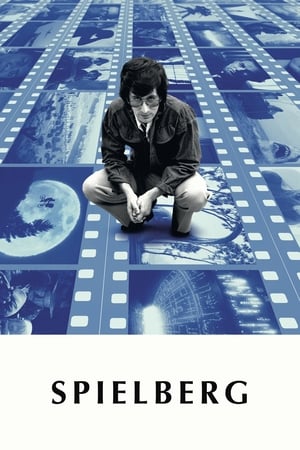
A documentary on the life and career of one of the most influential film directors of all time, Steven Spielberg.
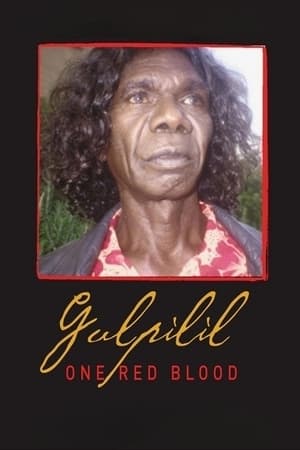
An hour-long documentary on the life and career of actor David Gulpilil.
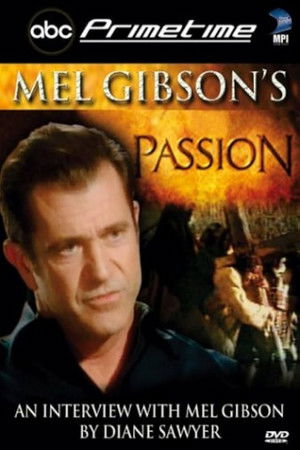
In this special edition of Primetime, ABC News' Diane Sawyer interviews filmmaker Mel Gibson about his highly controversial movie, ""The Passion of the Christ."" He responds to charges that the movie's portrayal of the Jewish role in the death of Christ will encourage anti-Semitism. He also elaborates on comments he's made about the Holocaust. In addition, Gibson tells why he felt it necessary to exhibit such a graphic depiction of Christ's crucifixion on film and discusses his decision to tell the story in Aramaic and Latin.
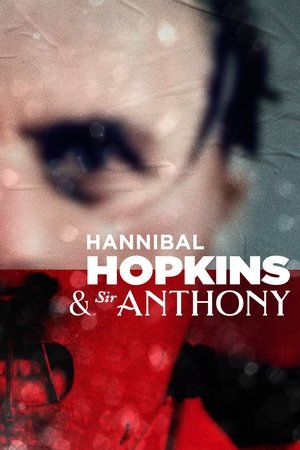
Hopkins’ career has spanned several decades, which is why we will also use many interviews that he gave throughout his life, allowing us to put him back into the context of each period and will be helpful in understanding his role in the history of cinema, because he was far from following the trends. He never belonged to any film movement; he is a chameleon that has always preferred natural acting, ‘non-acting’ when method acting was the fashion.
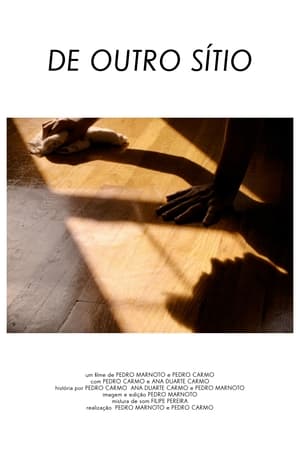
On a Summer afternoon, Pedro packs the last few boxes before having to leave his apartment in New York. 12 years ago, Pedro and Ana had arrived in America from Portugal, in search of a dream. Now, Ana's voice describes, from the other side of the ocean, that same country to which they are returning. As the rooms are emptied, Pedro bids farewell to one life, welcoming another. But the dream that brought him will remain forever in the city that never sleeps, awaiting his return.
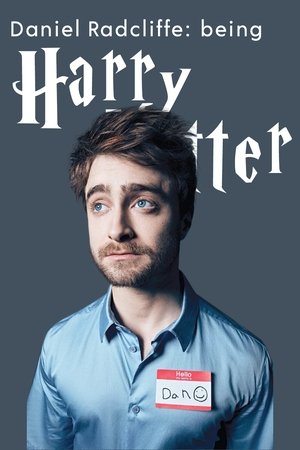
Made-for-television documentary about Daniel Radcliffe and his role as Harry Potter.
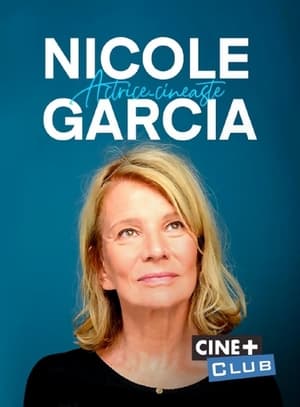
Stage actress turned film actress and director, Nicole Garcia has worked with the greatest French directors. Mysterious, singular, elegant, she has become a major figure in French cinema, but in her forties, she wanted to tell her own stories. She took a big risk when she was being offered fewer roles as an actress and became a film director.
David Hallyday