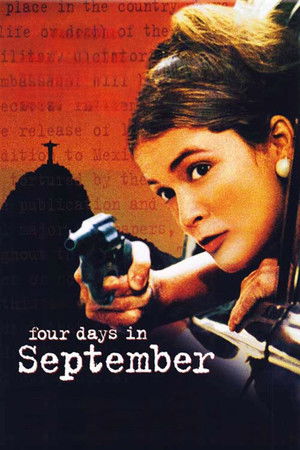
Fernando, a journalist, and his friend César join terrorist group MR8 in order to fight Brazilian dictatorial regime during the late sixties. César, however, is wounded and captured during a bank hold up. Fernando then decides to kidnap the American ambassador in Brazil and ask for the release of fifteen political prisoners in exchange for his life.
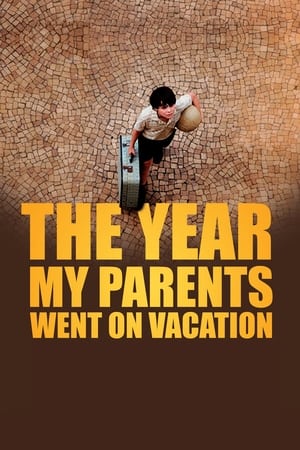
A boy is left alone in a Jewish neighborhood in the year of 1970, where both world cup and dictatorship happen in Brazil.
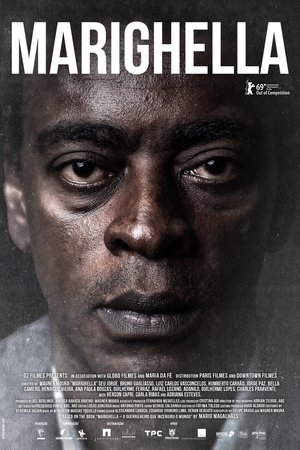
Afro-Brazilian poet and politician, the legendary Carlos Marighella. Driven to fight against the erosion of civil and human rights following the CIA-backed military coup of 1964 and the brutal, racist right-wing dictatorship that followed, the revolutionary leaves behind his wife and son to take up arms, becoming a notorious enemy to the power structure.
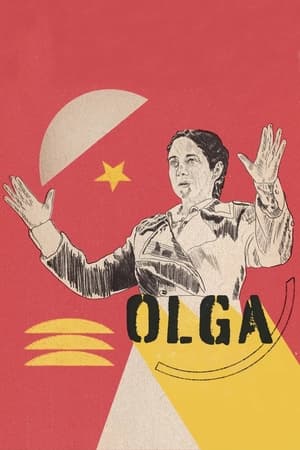
Based upon the true story of Olga Benário, the German-born wife of Brazilian communist leader Luís Carlos Prestes. During the dictatorship of Getúlio Vargas (1930-1945) she was arrested and sent to Nazi Germany, where she was put to death in a concentration camp. After World War II began, Vargas decided to uphold the Allies.
In São Paulo, in the late 1960s, the convent of the Dominican friars became a trench of resistance to the military dictatorship that governs Brazil. Moved by Christian ideals, frets Betto, Oswaldo, Fernando, Ivo and Tito came to support the guerrilla group Ação Libertadora Nacional, commanded by Carlos Marighella.
Eduardo Coutinho was filming a movie with the same name in the Northeast of Brazil, in 1964, when there came the military coup. He had to interrupt the project, and came back to it in 1981, looking for the same places and people, showing what had ocurred since then, and trying to gather a family whose patriarch, a political leader fighting for rights of country people, had been murdered.
Brazil in the early 70s. Miguel, Eloi, Osvaldo and Paolo take part in armed attacks against the military dictatorship. They pay a heavy price with torture and arrest. Today the four friends still see each other. Only Miguel is politically active. On a photograph from a political meeting in Sao Paolo he recognises the policeman who tortured them 25 years ago and who was responsible for the death of Miguel's girlfriend. The policeman has been officially dead for a few years. On one of their fishing trips together, Miguel tells his friends of his discovery. When they hunt down and confront their nemesis they come into conflict with both themselves and each other.
Mid-1970s. When the military regime's "economic miracle" and the victory of the Brazilian football team on the World Cup serve as a distraction for the persecution of opposition leaders by the political police of the dictatorship. Under this context, Jofre Godoi da Fonseca, an alienated middle-class man, is mistaken for Sarmento, a political activist he met at an airport prior to his assassination. He is then arrested for being "subversive".
A woman married to a former politician during the 1971 military dictatorship in Brazil is forced to reinvent herself and chart a new course for her family after a violent and arbitrary act.
“Rio 2096 – A Story of Love and Fury” is an animated film that portrays the love between an immortal hero and Janaína, the woman he has been in love with for 600 years. As a backdrop to the romance, the feature highlights four phases of Brazilian history: colonization, slavery, the Military Regime and the future, in 2096, when there will be a war for water.
Paulete, the star of a daring theater group, is visited by his military brother-in-law, the young Fininha. A torrid relationship arises between the two, and now the soldier must deal with the prevailing repression during the Brazilian military dictatorship.
Arrested five times for his activism, student leader Honestino Guimarães was kidnapped in 1973 at the age of 26 and is one of the hundreds of people who disappeared during the Brazilian military dictatorship.
Catarse
nasci ruy, morri herói
Through the testimony of the victims of the Brazilian dictatorship, and the re-creation of the practices to which they were subjected, the torture suffered by the Brazilian political detainees in their country is denounced. Restored version.
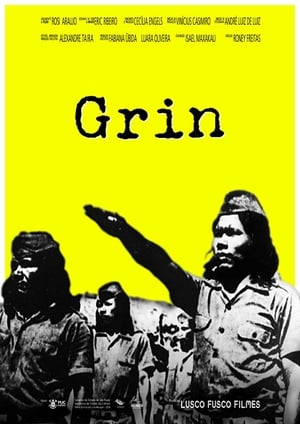
A Maxakali filmmaker brings out memories about the formation of the Indigenous Rural Guard (Grin) during the military dictatorship in Brazil, with reports of violence suffered by their relatives.
Assalto Ao Banco do Cariri
A Experiência Cruspiana