A 14-year-old video enthusiast obsessed with violent films decides to make one of his own and show it to his parents, with tragic results.
After being discharged from a mental institution, a man is tasked by his mother to revive a struggling supermarket in Limoges. He must navigate unexpected responsibilities and the challenges of managing the store's staff.
While his parents are away, a little city boy goes to the countryside. This stay will be one of initiations and forbidden games in the company of Maedeli, a little girl who is not afraid.
Daydream Therapy is set to Nina Simone’s haunting rendition of “Pirate Jenny” and concludes with Archie Shepp’s “Things Have Got to Change.” Filmed in Burton Chace Park in Marina del Rey by activist-turned-filmmaker Bernard Nicolas as his first project at UCLA, this short film poetically envisions the fantasy life of a hotel worker whose daydreams provide an escape from workplace indignities. —Allyson Nadia Field
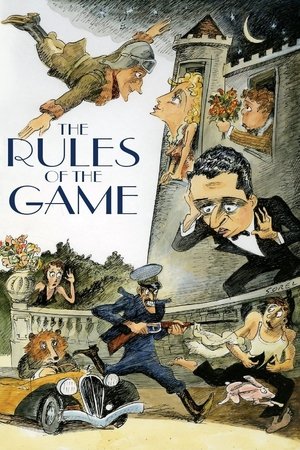
A weekend at a marquis’ country château lays bare some ugly truths about a group of haut bourgeois acquaintances.
The lives of two lovelorn spouses from separate marriages, a registered sex offender, and a disgraced ex-police officer intersect as they struggle to resist their vulnerabilities and temptations.
A doctor opens an ordination in the abandoned house of his parents which is supposedly haunted by ghosts, as claimed by its only tenants - the old servant and two maids. He starts having nightmares in which a pretty and young girl shows up.
In early 19th-century France, the Marquis de Sade is confined to an asylum where his forbidden writings continue to circulate beyond its walls. As the authorities tighten control, a clash unfolds between the Marquis’ unyielding imagination, the reformist ideals of the Abbé in charge, and the repressive measures of a doctor sent to silence him. Desire, power, and censorship collide in a battle over freedom of expression.
Three generations of a wealthy Bordeaux family are caught in the crossfire when Anne decides to run for mayor, thanks to a political pamphlet that revives an old murder scandal.
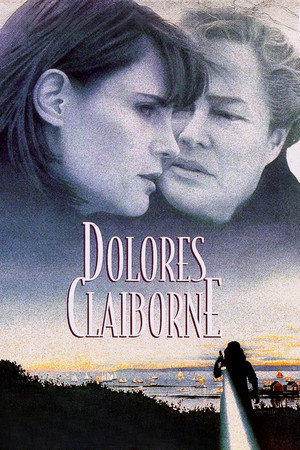
Dolores Claiborne was accused of killing her abusive husband twenty years ago, but the court's findings were inconclusive and she was allowed to walk free. Now she has been accused of killing her employer, Vera Donovan, and this time there is a witness who can place her at the scene of the crime. Things look bad for Dolores when her daughter Selena, a successful Manhattan magazine writer, returns to cover the story.
Barcelona in the early sixties: black and white chronicle of the ups and downs in the relationship of several young couples of the Catalan bourgeoisie during the time between two Saint John's eve festivals.
Upon his release from a mental hospital following a nervous breakdown, the directionless Anthony joins his friend Dignan, who seems far less sane than the former. Dignan has hatched a harebrained scheme for an as-yet-unspecified crime spree that somehow involves his former boss, the (supposedly) legendary Mr. Henry.
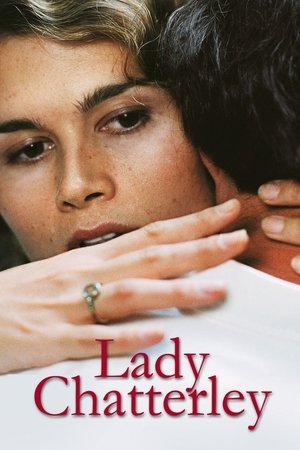
After a crippling injury leaves her husband impotent, Lady Chatterly is torn between her love for her husband and her physical desires. With her husband's consent, she seeks out other means of fulfilling her needs.
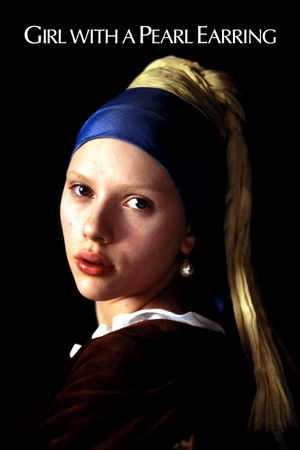
This film, adapted from a work of fiction by author Tracy Chevalier, tells a story about the events surrounding the creation of the painting "Girl With A Pearl Earring" by 17th century Dutch master Johannes Vermeer. A young peasant maid working in the house of painter Johannes Vermeer becomes his talented assistant and the model for one of his most famous works.
A native of Sennwald, Anna Göldi arrived in Glarus in 1765. For seventeen years, she worked as a maidservant for Johann Jakob Tschudi, a physician. Tschudi reported her for having put needles in the bread and milk of one of his daughters, apparently through supernatural means. Göldi at first escaped arrest, but the authorities of the Canton of Glarus advertised a reward for her capture in the Zürcher Zeitung on February 9, 1782. Göldi was arrested and under torture, admitted to entering in a pact with the Devil, who had appeared to her as a black dog. She withdrew her confession after the torture ended, but was sentenced on June 18, 1782 to execution by decapitation. The charges were officially of "poisoning" rather than witchcraft, even though the law at the time did not impose the death penalty for non-lethal poisoning.
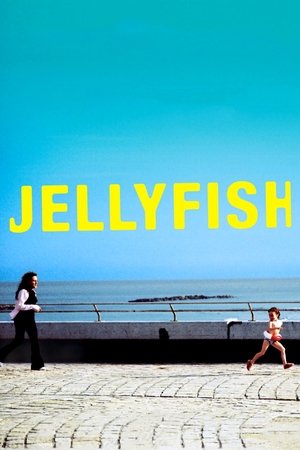
Meduzot (the Hebrew word for Jellyfish) tells the story of three very different Israeli women living in Tel Aviv whose intersecting stories weave an unlikely portrait of modern Israeli life. Batya, a catering waitress, takes in a young child apparently abandoned at a local beach. Batya is one of the servers at the wedding reception of Keren, a young bride who breaks her leg in trying to escape from a locked toilet stall, which ruins her chance at a romantic honeymoon in the Caribbean. One of the guests is Joy, a Philippine chore woman attending the event with her employer, and who doesn't speak any Hebrew (she communicates mainly in English), and who is guilt-ridden after having left her young son behind in the Philippines.
Sophie, a quiet and shy maid working for an upper-class French family, finds a friend in the energetic and uncompromising postmaster Jeanne, who encourages her to stand up against her bourgeois employers.
Louise, who has just written a novel, comes to Paris to meet with a potential publisher. While in the city, she stays with her older sister, Martine, who in many ways is the exact opposite of Louise: she lives in a fashionable neighborhood, is cold to others, and has snobby friends, while Louise lives in a small town and is thoroughly unpretentious. Louise's apparent happiness -- and similarities to their mother -- gradually gets on Martine's nerves.
A group of young slackers spend most of their time hanging out in front of a Munich apartment building. When a Greek immigrant named Jorgos moves in, however, their aimless lives are shaken up. Soon, new tensions arise both within the group and with Jorgos.
Marisa Ventura is a struggling single mom who works at a posh Manhattan hotel and dreams of a better life for her and her young son. One fateful day, hotel guest and senatorial candidate Christopher Marshall meets Marisa and mistakes her for a wealthy socialite. After an enchanting evening together, the two fall madly in love. But when Marisa's true identity is revealed, issues of class and social status threaten to separate them. Can two people from very different worlds overcome their differences and live happily ever after?