In 1943 Malmö, 15-year-old Stig is attracted to his teacher Viola, 22 years his senior, who, drawn to his youth and innocence, believes the lad is a God-sent relief from her miserable marriage to a drunken, unfaithful lout.
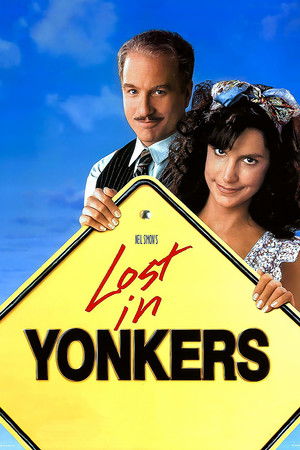
In the summer of 1942 two young boys are sent to stay with their stern grandmother Kurnitz and their childlike aunt Bella in Yonkers, New York.
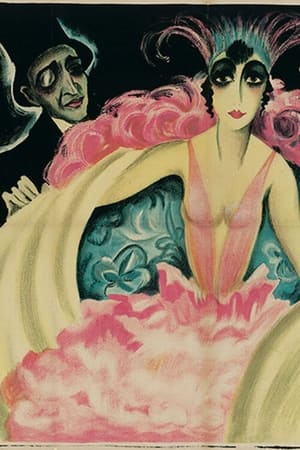
In Russia shortly before the outbreak of the First World War, Princess Vorontsov (Ellen Richter) is in love with a high-ranking officer of the tsarist army. When he is murdered, she craves revenge. The leading suspect is a lawyer with ties to nihilist revolutionaries. On behalf of the secret police, she travels to Switzerland in order to gain his trust and facilitate his arrest. Too late she realizes that she has been toyed with all along. Her fiancé was not the man she thought she was.
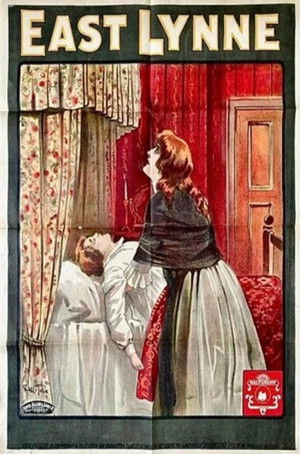
An aristocratic woman, Lady Isabel, leaves her husband and children when she suspects him of adultery, a notion which had been suggested to her by the scheming and murderous Captain Levison. Life on the continent with Levison does not work out as she had envisaged so, eight years later, she returns to England and finds her husband has remarried. She cannot bear to be away from her family and so dons a disguise, gaining employment with them as a governess. When her young son, Willie, dies she is unable to comfort him as she would like, and she too dies.
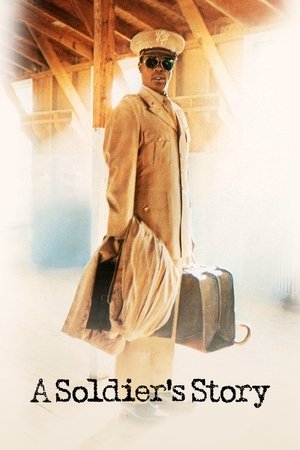
In a rural town in Louisiana, a black Master Sergeant is found shot to death just outside the local Army Base. Military lawyer, Captain Davenport—also a black man—is sent from Washington to conduct an investigation. Facing an uncooperative chain of command and fearful black troops, Davenport must battle with deceit and prejudice in order to find out exactly who really did kill the Master Sergeant.
Told through the voice of former KGB agent Viktor Petrovich, whose life becomes inextricably linked with Ronald Reagan's when Reagan first caught the Soviets’ attention as an actor in Hollywood, Reagan overcomes the odds to become the 40th president of the United States.
This social film attacks Bombay's industrial parvenu class, initiating the realist-reformist melodrama as a genre. It tells of the street hawker Devdas, who goes to the city to make his fortune but, once successful, becomes an exploitative cotton mill owner and a callous snob knighted by the British.
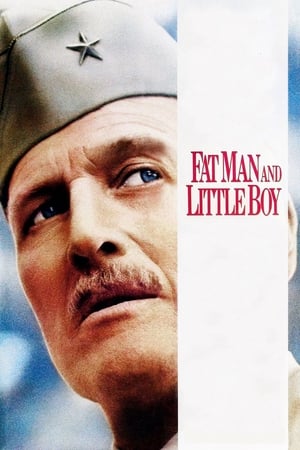
Assigned to oversee the development of the atomic bomb, Gen. Leslie Groves is a stern military man determined to have the project go according to plan. He selects J. Robert Oppenheimer as the key scientist on the top-secret operation, but the two men clash fiercely on a number of issues. Despite their frequent conflicts, Groves and Oppenheimer ultimately push ahead with two bomb designs — the bigger "Fat Man" and the more streamlined "Little Boy."
The commandant of Auschwitz, Rudolf Höss, and his wife Hedwig, strive to build a dream life for their family in a house and garden next to the camp.
The events in the film are based on the life of the Scholler family of German origin, who lived in Azerbaijan since the 1940s.
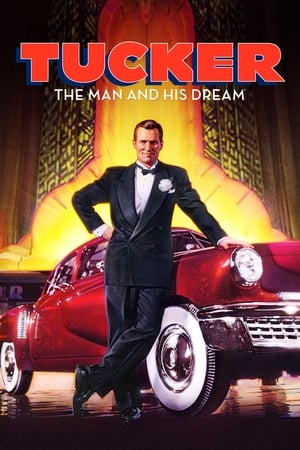
Ypsilanti, Michigan, 1945. Engineer Preston Tucker dreams of designing the car of future, but his innovative envision will be repeatedly sabotaged by his own unrealistic expectations and the Detroit automobile industry tycoons.
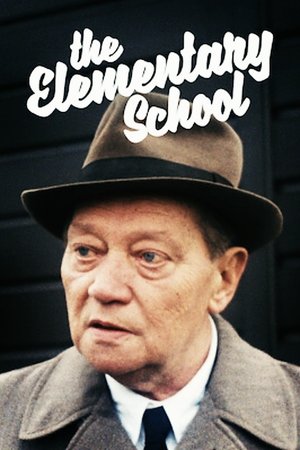
The time is 1945-46. 10 year old Eda and his friend Tonda live in a small village outside Prague. In school, their class is so wild and indisciplined that their teacher quits and is replaced by the militant Igor Hnidzo. He is very strict – but also very fair. His weakness though, is his interest in young women.
In 1941 America, Kay and her husband are happy enough until he enlists after Pearl Harbor. Against his wishes, she takes a job at the local aircraft plant where she meets Hazel, the singer from across the way. The two soon become firm friends and with the other girls become increasingly expert workers. As the war drags on, Kay finally dates her trumpet-playing foreman and life gets more complicated.
Four adolescent girls each spend their youth in the same farmhouse over the last century. Though separated by decades, resonances between their lives emerge: their desires and distress, secrets and truths, encounters with another’s gaze and defiant gaze in return.
Xiang Yan and Lin Heng Yu have known each other since childhood, but they parted ways and only reunited in college because of a farce. One is a surgeon with a bright future, and the other is a talented painter from a wealthy family. With the beautiful vision admired by everyone, from when they were wearing their school uniforms to their wedding, the future slowly unfolds according to plan, but at the same time, unexpected obstacles come quietly.
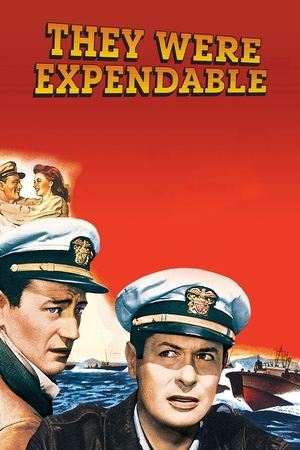
After a demonstration of new PT boats, Navy brass are still unconvinced of their viability in combat, leaving Lt. "Rusty" Ryan frustrated. After the attack on Pearl Harbor, however, Ryan and his buddy Lt. Brickley are told they can finally take their squadron into battle. The PT boats quickly prove their worth, successfully shooting down Japanese planes, relaying messages between islands, and picking off a multitude of enemy ships.
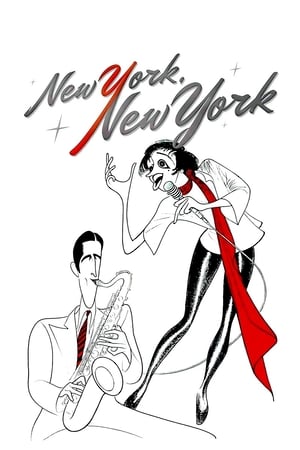
An egotistical saxophone player and a young singer meet on V-J Day and embark upon a strained and rocky romance, even as their careers begin a long uphill climb.
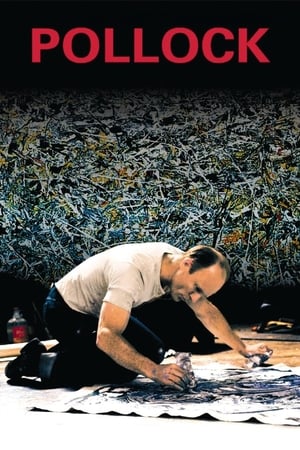
In August of 1949, Life Magazine ran a banner headline that begged the question: "Jackson Pollock: Is he the greatest living painter in the United States?" The film is a look back into the life of an extraordinary man, a man who has fittingly been called "an artist dedicated to concealment, a celebrity who nobody knew." As he struggled with self-doubt, engaging in a lonely tug-of-war between needing to express himself and wanting to shut the world out, Pollock began a downward spiral.
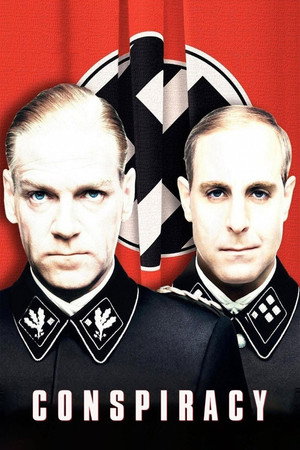
At the Wannsee Conference on January 20, 1942, senior Nazi officials meet to determine the manner in which the so-called "Final Solution to the Jewish Question" can be best implemented.
Dr. Sadik Ahmet fights for the democratic rights of the Western Thrace Turkish minority living in Greece. After graduating from Athens University Faculty of Medicine, Ahmet started working as a doctor in Komotini. Ahmet entered the political struggle to defend the rights of the Western Thrace Turkish minority. He became the founding chairman of the Western Thrace Turkish Minority Advisory Board (BTTDK), which was established in 1989. Ahmet was also known internationally for his work on minority rights in Greece. Ahmet, who died in 1995, became a symbol for the Turkish minority in Western Thrace.