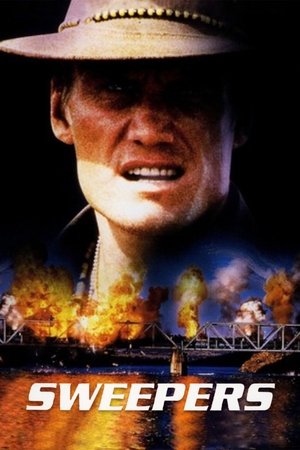
Dolph Lundgren is Christian Erickson, a leading demolition expert trained to disarm mine fields in a humanitarian minesweeping operation in Angola. His son is killed and he discovers that mines are being planted during the war to kill people in the area.
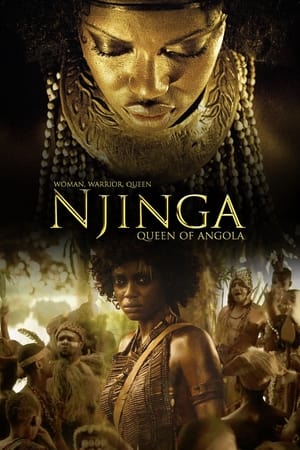
In the 17th century a warrior woman fights for the independence of Angola. After witnessing the murder of her son and watching her people being humiliated by Portuguese colonizers, Njinga will become a Queen and struggle for their liberation embodying the motto: those who stay fight to win.
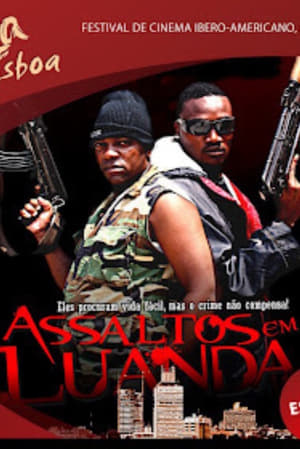
The story of King and Talibam, two poor and unemployedbrothers from Luanda who, wanting to change their lives, decide to become robbers.
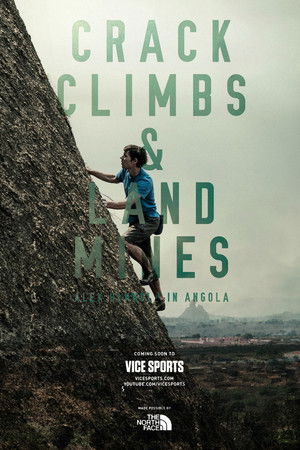
Alex Honnold is the most accomplished free climber in the world. Angola is a southwest African country that recently emerged from 27 years of bloody civil war. What brings together these strange bedfellows you ask? Some of the most epic unclimbed rocks in the world, and a community needing help to diffuse the hidden land mines leftover from the conflict. (Plus a shadowy local hotel magnate, but we'll get into that later). This is Alex Honnold in Angola, for one of the most unique adventures of his storied climbing career this far.
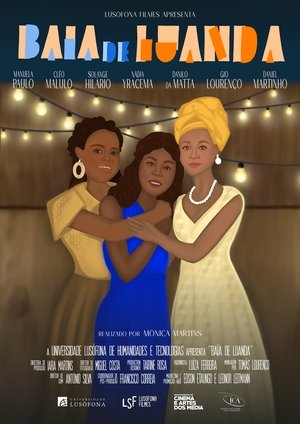
Pérola (39 years), a female lawyer, return to Angola, for her younger sister´s “Alambamento” (traditional Angolan ceremony where dowries and promises are exchanged between a couple) more than 20 years living abroad. On coming back, she realises that she does not fit in that environment anymore. The world that saw her come to life is now uncomfortable. In the beginning, she remains apart, watching all her parents do and say in a judgmental way, but as the party unfolds, Pérola starts to see the beauty of the place. That land and it´s People reveal a charm that she was not expecting and suddenly she understands that all her loneliness and emptiness she has felt all those years was only her home beckoning her back.
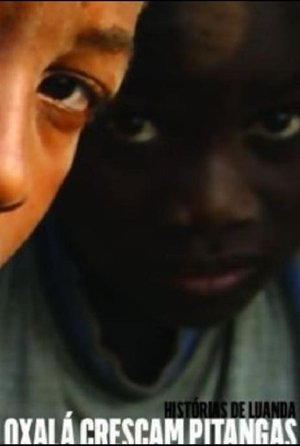
Angola: thirty years of independence, three years of peace. Capital, Luanda, a city built for 600 thousand people where four million now live. Ten characters guide us through different ways of living and interpreting the city. People from all of the country's provinces meet at this crossroads. They are the life of the city, transforming it by inventing ways to make money and reinventing themselves.
Sissako visits a war-torn Angola after thirty years of war in search of a friend and thereby through interviews reflects on the lost utopias of a generation of Africans who experienced the liberation struggles. His camera is witness to the dislocation and despair of those he encounters living in Angola, however he also discovers the resilient spirit of Africa and optimism for its future in unexpected ways.
Brazil and Angola while on either side of the Atlantic Ocean have the same language, a common colonial past and many shared stories. In this film, correspondence is exchanged between these two places – some people are longtime friends, others have never met. Their stories intertwine and tell about migration, nostalgia, belonging, war, prejudice, exile and distance. The search for identity and flow of memory are driven by the line of affection that binds the seven pairs of speakers presented in this documentary, people whose life stories are traced between Brazil, Angola and Portugal.
In 1975, Ryszard Kapuściński, a veteran Polish journalist, embarked on a seemingly suicidal road trip into the heart of the Angola's civil war. There, he witnessed once again the dirty reality of war and discovered a sense of helplessness previously unknown to him. Angola changed him forever: it was a reporter who left Poland, but it was a writer who returned…
Captures the tenacity and diversity of Angolan society. Beginning with a brief history of Angola's war for independence from Portugal, the documentary's up-beat pacing provides an engaging overview of Angola's social and economic landscape. City life, music, the economy, rural communities, and the effects of civil war and apartheid in neighboring South Africa are covered using scenes of every day life in Angola and commentaries from Angolans themselves.
Following nearly 40 years of unrelenting war, peace and reconstruction are slowly arriving to Angola. Huambo, Angola’s second largest city, finds 55 children in the Okutiuka orphanage under the care of Sonia Ferreira. Her boyfriend, Wilker Flores, is a death metal guitarist who uses sounds and rhythms of this hardcore music as a path to healing. Or, as Sonia says, “to clear out the debris from all these years of war.” The feature documentary follows Wilker and Sonia’s attempts to stage Angola’s first-ever national rock concert, bringing together members from different strands of the Angolan hardcore scene from different provinces, as it all unfolds in fits and starts, against the bombed out and mined backdrop of the formerly stately Huambo.
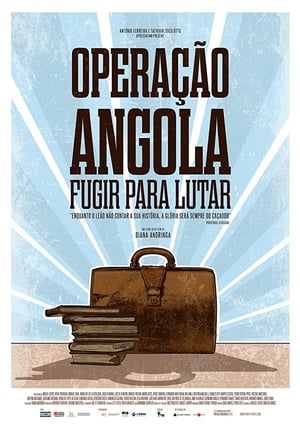
On February 4, 1961, armed militants attacked the prison and administration posts in Luanda, the capital of Angola; a brutal repression against black populations ensued; at the same time, the long strike of cotton workers in the east of the country was crushed, with napalm bombing. On 15 March, northern bakongos attacked properties and villages, killing hundreds of Portuguese and Angolan with machetes. The independence movements MPLA and UPA supported these actions. Salazar, Head of Government, granted the Defence portfolio and announced his decision to send troops to Angola and STAY in Africa.
In 1995, during the Angolan civil war, Nayola sets out in search of her missing husband.
Documentary about how the government in Angola used Fake News against the independence movement in its own country and how the Western press simply adopted much of the misinformation...
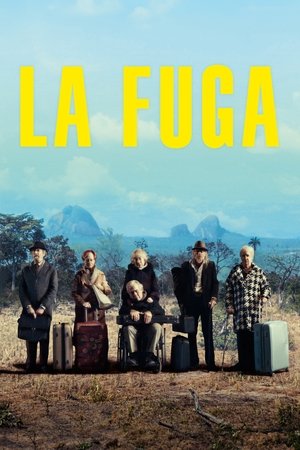
In a retirement home for former professional musicians, a newcomer convinces some of his mates to embark on an exciting adventure that will change their lives.
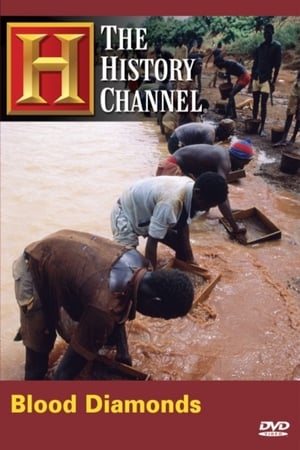
Blood Diamonds is a made-for-TV documentary series, originally broadcast on the History Channel, that looks into the trade of diamonds which fund rebellions and wars in many African nations. The program focuses primarily on two nations: Sierra Leone and Angola. Diamonds which are traded for this purpose are known as blood diamonds.
Otelinda and Lutoy, married for almost 50 years, are reminded of the moments of greatest tension they experienced, in the Angolan civil war, when confronted with the images on the news about the war in Ukraine. Narrated by Otelinda, her story, we learn her story from the 25th of April, until the day she waited alone for her husband on the verge of misfortune, in Cabinda. Her narration is accompanied by the contrasting images of their daily lives in 2023, as well as the landscapes and people of the country where they now reside. Their relationship initially appears distant, but becomes closer towards the end of the narrative, through the memories of everything they suffered together.
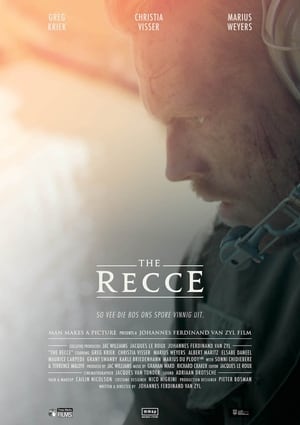
After the South African Defense Force wrongfully declares young Recce Henk Viljoen dead behind enemy lines, it’s up to him alone to use every skill and tool in his arsenal to make it back to his grieving wife.
The film sheds light on a country in which, after twenty-seven years of war and three years of official peace, there is an overwhelming discrepancy between poor and rich. A sensitive and respectful approach towards a traumatised society.
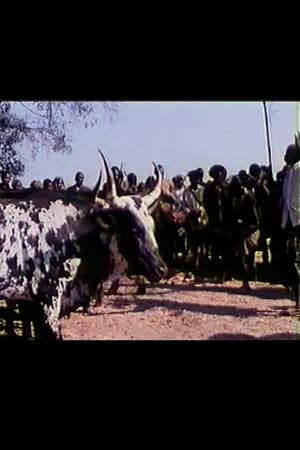
Scenes from the three last days of the festival in which the population of the old Kingdom of Jau participate yearly.