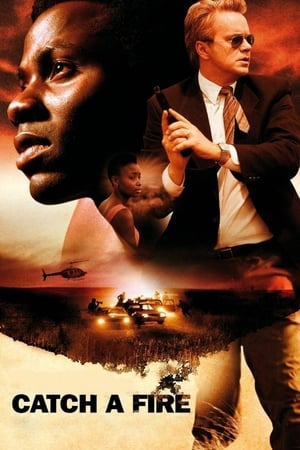
The true story of anti-apartheid activists in South Africa, and particularly the life of Patrick Chamusso, a timid foreman at Secunda CTL, the largest synthetic fuel plant in the world. Patrick is wrongly accused, imprisoned and tortured for an attempt to bomb the plant, with the injustice transforming the apolitical worker into a radicalised insurgent, who then carries out his own successful sabotage mission.
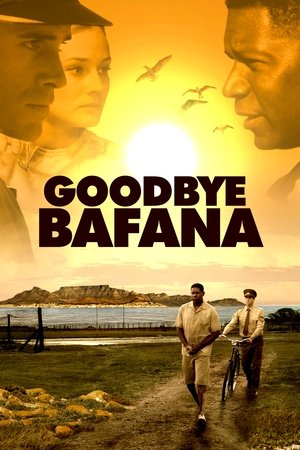
The true story of a white South African racist whose life was profoundly altered by the black prisoner he guarded for twenty years. The prisoner's name was Nelson Mandela.
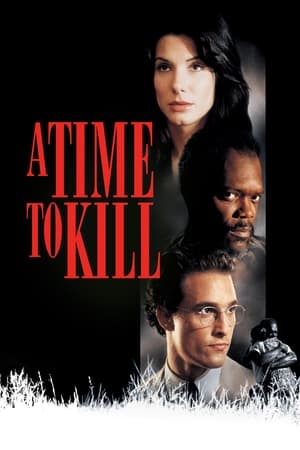
A young lawyer defends a black man accused of murdering two white men who raped his 10-year-old daughter, sparking a rebirth of the KKK.
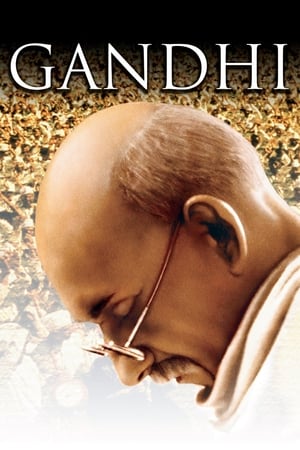
In the early years of the 20th century, Mohandas K. Gandhi, a British-trained lawyer, forsakes all worldly possessions to take up the cause of Indian independence. Faced with armed resistance from the British government, Gandhi adopts a policy of 'passive resistance', endeavouring to win freedom for his people without resorting to bloodshed.
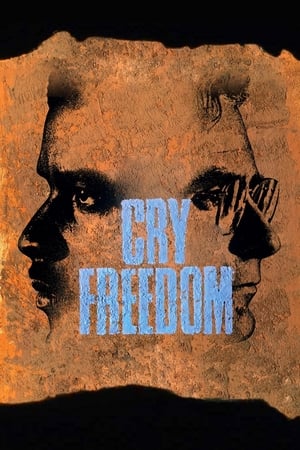
A South African librarian prepares for the return of the remains of his brother who died in exile.
A 17 year-old student is forced to get off the fence he has actively sat on all his life to stand up for himself, his whanau (family) and his future in this heartwarming story of identity.
A dramatic story, based on actual events, about the friendship between two men struggling against apartheid in South Africa in the 1970s. Donald Woods is a white liberal journalist in South Africa who begins to follow the activities of Stephen Biko, a courageous and outspoken black anti-apartheid activist.
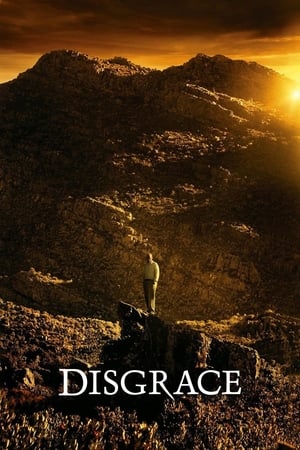
Disgrace is the story of a South African professor of English who loses everything: his reputation, his job, his peace of mind, his good looks, his dreams of artistic success, and finally even his ability to protect his cherished daughter. After having an affair with a student, he moves to the Eastern Cape, where he gets caught up in a mess of post-apartheid politics.
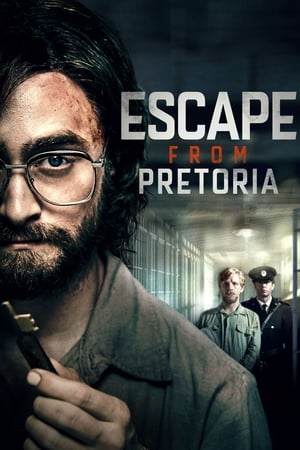
South Africa, 1978. Tim Jenkin and Stephen Lee, two white political activists from the African National Congress imprisoned by the apartheid regime, put a plan in motion to escape from the infamous Pretoria Prison.
A teenage boy leaves a moment of boredom while his father works on his old car, and the mother wishes to go out for a stroll around the block. One more relocated family post Hurricane Katrina.
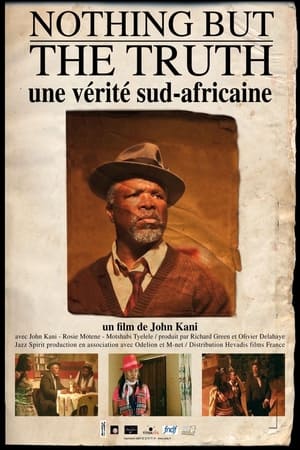
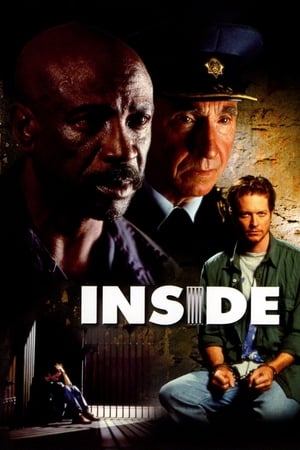
A South African political prisoner is tortured to obtain information on apartheid conspirators. Ten years later, the head officer in charge of the questioning is similarly held as prisoner and questioned about his past offenses.
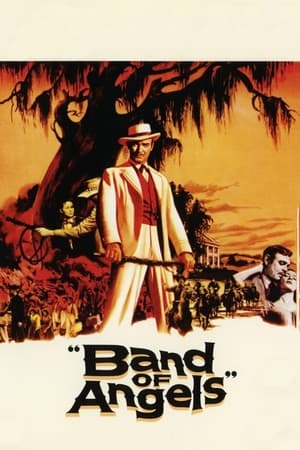
Living in Kentucky prior to the Civil War, Amantha Starr is a privileged young woman. Her widowed father, a wealthy plantation owner, dotes on her and sends her to the best schools. When he dies suddenly Amantha's world is turned upside down. She learns that her father had been living on borrowed money and that her mother was actually a slave and her father's mistress.
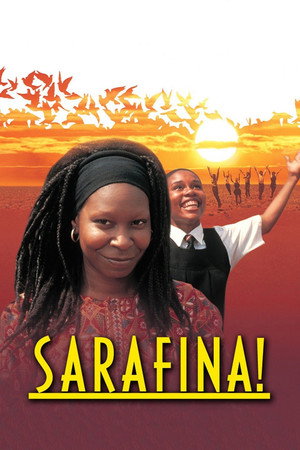
A Soweto schoolgirl named Sarafina is galvanized to protest apartheid after her teacher is arrested for her activism, leading her to join the student resistance movement.
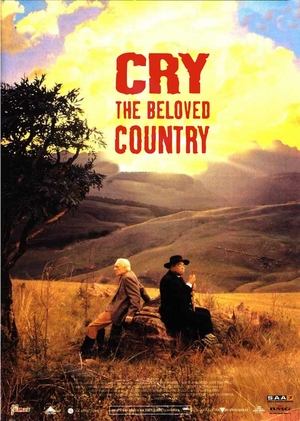
A South-African preacher goes to search for his wayward son who has committed a crime in the big city.
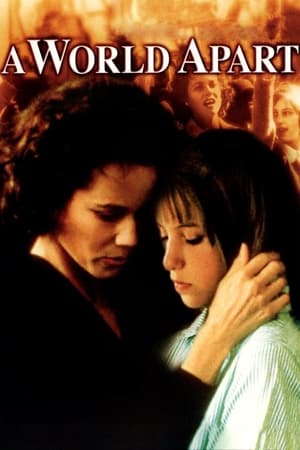
A White enclave in Johannesburg, South Africa, in the 1960s. Molly Roth, 13 years old, is the daughter of leftist parents, and she must piece together what's happening around her when her father disappears one night, barely evading arrest, and, not long after, her mother is detained by the authorities. Some of Molly's White friends turn against her, and her family's friendships with Blacks take on new meaning. Relationships are fragile in the world of apartheid. How will she manage?
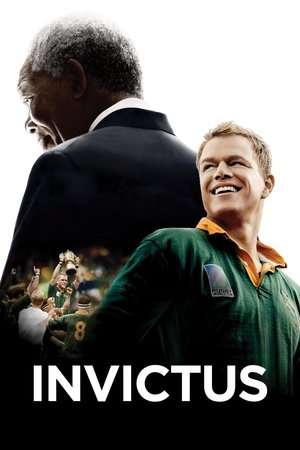
Newly elected President Nelson Mandela knows his nation remains racially and economically divided in the wake of apartheid. Believing he can bring his people together through the universal language of sport, Mandela rallies South Africa's rugby union team as they make their historic run to the 1995 Rugby World Cup Championship match.
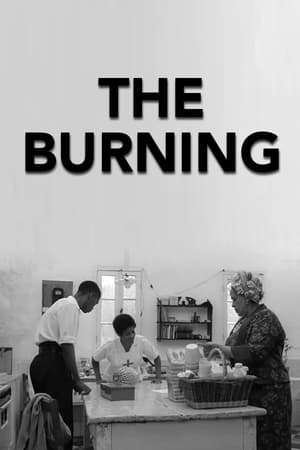
Stephen Frears’ first film, "The Burning" is a chilling exploration of racial tensions in Apartheid-era South Africa. On a sweltering summer’ day, a wealthy white matriarch insists on taking her household on a planned trip to the country, in spite of their urgent warnings that an uprising is underway.
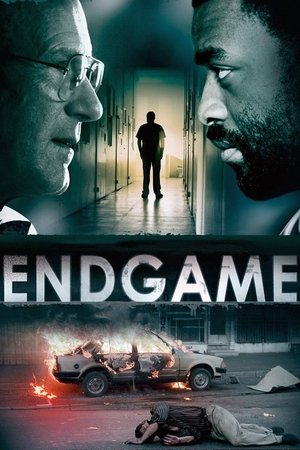
The time is the late '80s, a crucial period in the history of South Africa. President P.W. Botha is hanging on to power by a thread as the African National Congress (ANC) takes up arms against apartheid and the country tumbles toward insurrection. A British mining concern is convinced that their interests would be better served in a stable South Africa and they quietly dispatch Michael Young, their head of public affairs, to open an unofficial dialogue between the bitter rivals. Assembling a reluctant yet brilliant team to pave the way to reconciliation by confronting obstacles that initially seem insurmountable, Young places his trust in ANC leader Thabo Mbeki and Afrikaner philosophy professor Willie Esterhuyse. It is their empathy that will ultimately serve as the catalyst for change by proving more powerful than the terrorist bombs that threaten to disrupt the peaceful dialogue.
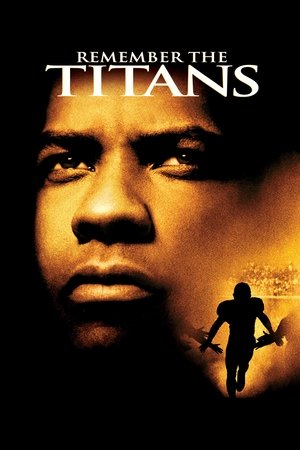
After leading his football team to 15 winning seasons, coach Bill Yoast is demoted and replaced by Herman Boone – tough, opinionated and as different from the beloved Yoast as he could be. The two men learn to overcome their differences and turn a group of hostile young men into champions.
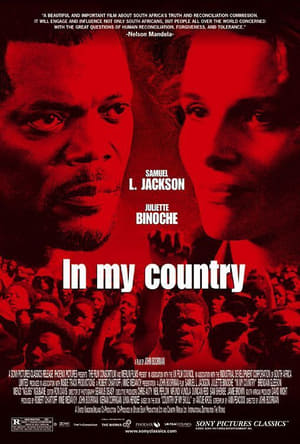
An American reporter and an Afrikaans poet meet and fall in love while covering South Africa's Truth and Reconciliation Commission hearings.