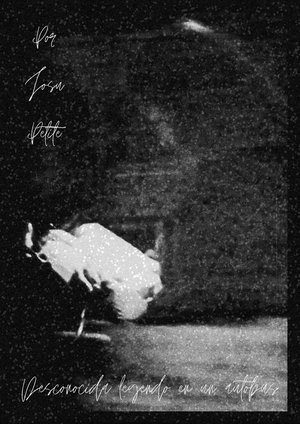
A girl reads during a bus ride
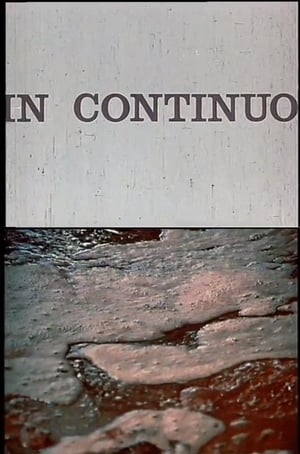
"In continuo" uses slaughterhouse imagery to present the warlike nature of man, first depicting the cleaning and mechanical preparations for the slaughterhouse and then the killing, however, the animal slaughter itself isn’t shown.
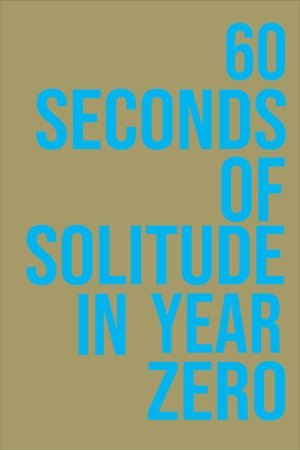
An anthology of one-minute films created by 51 international filmmakers on the theme of the death of cinema. Intended as an ode to 35mm, the film was screened one time only on a purpose-built 20x12 meter public cinema screen in the Port of Tallinn, Estonia, on 22 December 2011. A special projector was constructed for the event which allowed the actual filmstrip to be burnt at the same time as the film was shown.
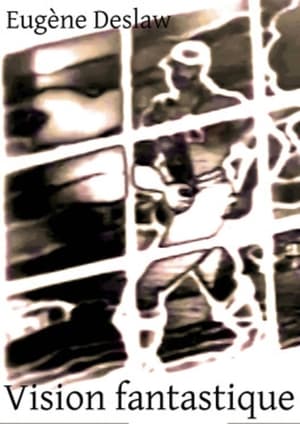
Footage filmed in Spain, subjected a new visual effects process. Deslaw devoted himself to the discovery of a new machine that enabled film to be developed while using a new method called solarisation.
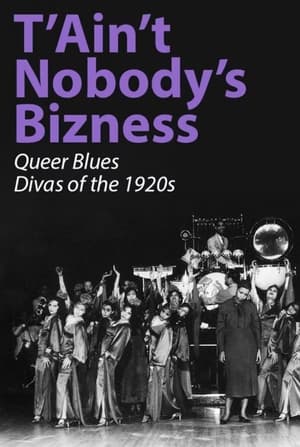
The 1920s saw a revolution in technology, the advent of the recording industry, that created the first class of African-American women to sing their way to fame and fortune. Blues divas such as Bessie Smith, Ma Rainey, and Alberta Hunter created and promoted a working-class vision of blues life that provided an alternative to the Victorian gentility of middle-class manners. In their lives and music, blues women presented themselves as strong, independent women who lived hard lives and were unapologetic about their unconventional choices in clothes, recreational activities, and bed partners. Blues singers disseminated a Black feminism that celebrated emotional resilience and sexual pleasure, no matter the source.
The world appears black on black until it separates from itself, looks at itself, includes itself, and sees colour.
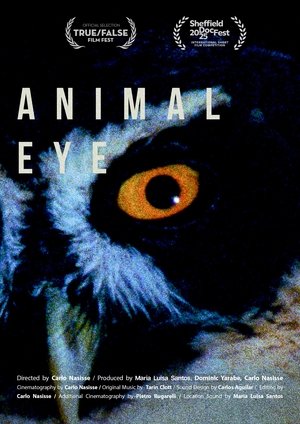
Scientists and philosophers work to understand animal vision in this multi textured rumination exploring our relationship to the nonhuman world.
This less-than-feature-length documentary chronicles the endless cycle of addiction perpetrated by a mother and son living in a squalid tenement in San Francisco. 22-year-old Ryan and his mother Stephanie are both drug addicts: Although he'll take whatever comes along, her substance of choice is crack cocaine, and she demands that her son provide her with some. As they navigate their respective addictions, each comes close to overdosing just before they're evicted from their apartment.
Rummaging for Pasts is an experimental juxtaposition of two cinematic documents: the video diary of an international archaeological excavation and a collection of assorted eight millimeter found footage of Indian weddings.
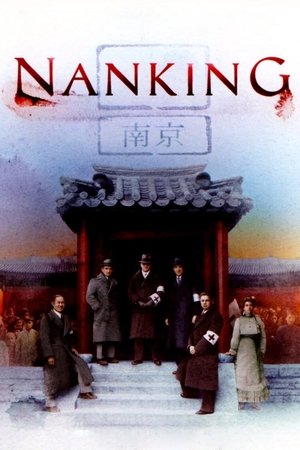
The story of the rape of Nanking, one of the most tragic events in history. In 1937, the invading Japanese army murdered over 200,000 and raped tens of thousands of Chinese. In the midst of this horror, a small group of Western expatriates banded together to save 250,000. Nanking shows the tremendous impact individuals can make on the course of history.
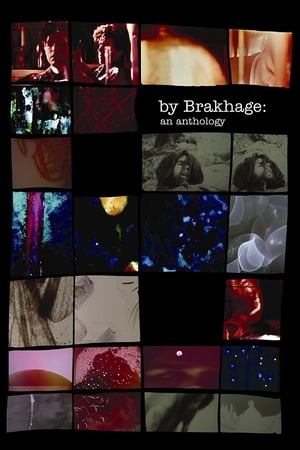
Working completely outside the mainstream, the wildly prolific, visionary Stan Brakhage made more than 350 films over a half century. Challenging all taboos in his exploration of “birth, sex, death, and the search for God,” he has turned his camera on explicit lovemaking, childbirth, even autopsy. Many of his most famous works pursue the nature of vision itself and transcend the act of filming. Some, including the legendary Mothlight, were made without using a camera at all, as he pioneered the art of making images directly on film, by drawing, painting, and scratching.
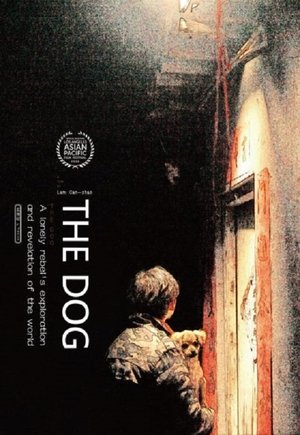
Director Lam Can-Zhao leads a small film crew as they shoot a film about a stray dog in the streets of Guangzhou, leading viewers into an unpredictable, peculiar and incredible journey.
Experimental film by Motoharu Jonouchi comprised of both archival footage from the 1960s Japanese student riots and dramatised re-enactions. It was created as a tribute to Michiko Kamba, a student victim of the riots.
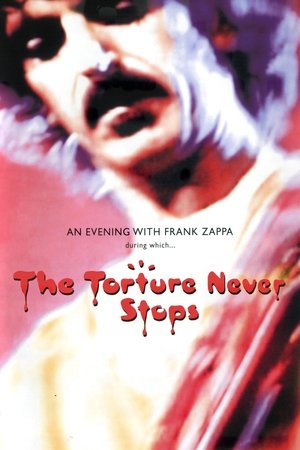
A "thing" created by Frank Zappa from two concerts filmed live at the Palladium, New York City, on Halloween 1981. With Ray White, Steve Vai, Bobby Martin, Tommy Mars, Ed Mann, Scott Thunes & Chad Wackerman.
Two halves split by the perseverance of a scorpion. Come on, feet.
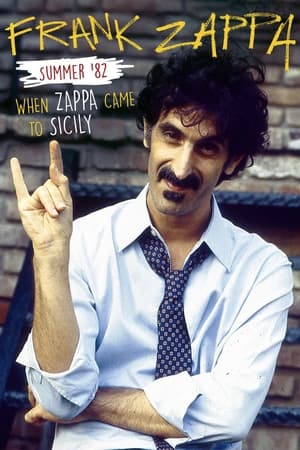
In the feature documentary, Summer 82 – When Zappa Came to Sicily, filmmaker and Zappa fan Salvo Cuccia tells the behind-the-scenes story of Frank Zappa's star-crossed concert in Palermo, Sicily, the wrap-up to a European tour that ended in public disturbances and police intervention. Cuccia had a ticket to the concert but never made it. Thirty years later, collaborating with Zappa's family, he re-creates the events through a combination of rare concert and backstage footage; photographs; anecdotes from family, band members, and concertgoers; and insights from Zappa biographer and friend Massimo Bassoli. The story is also a personal one, as Cuccia interweaves the story of Zappa's trip to Sicily with his own memories from that summer.
A day in the city of Berlin, which experienced an industrial boom in the 1920s, and still provides an insight into the living and working conditions at that time. Germany had just recovered a little from the worst consequences of the First World War, the great economic crisis was still a few years away and Hitler was not yet an issue at the time.
A third generation NZ born Niuean Female surfer, visits her Island of heritage for the first time only to discover there is no surf on Niue. But Mella's visit opens her eyes to the island's other beautiful qualities, the magical water, warm people, and clean unpolluted land. However she also discovers the low population has left the countries future hanging by a thread. This documentary is a record of Mella's journey to regaining her identity and first steps at becoming part of the solution in Niue's restoration of itself.
An experience of a camera swinging in different gestures facing the optical distortion of the Sun. The last appearance of the smudge.
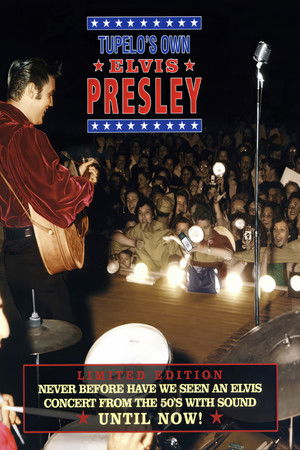
This film features unreleased concert footage of Elvis Presley's afternoon performance at the 'Mississippi-Alabama Fair and Dairy Show' held at the Fairgrounds in Tupelo, Mississippi on September 26, 1956. The professionally filmed black and white newsreel footage was synchronized with an amateur audio recording of the concert that had previously appeared on the 'Elvis Presley: A Golden Celebration' LP/CD box set.