The Castro revolution was just consolidating its power when, in 1961, over 100,000 students were sent from their schools into the countryside to teach the peasants there how to read. Coinciding with the Bay of Pigs invasion, in this docudrama, 15-year-old Mario (Salvador Wood) has come to a tiny village in the Zapata swamps and gradually wins the villagers over to his task. At the same time, he receives an education in the realities of rural life from the hard-working peasants.
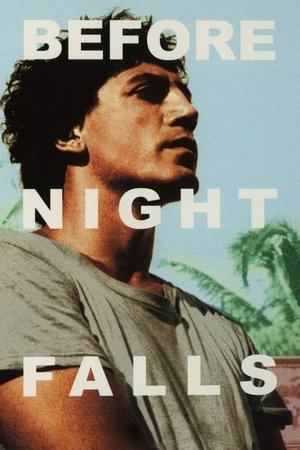
Spanning several decades, this powerful biopic offers a glimpse into the life of famed Cuban poet and novelist Reinaldo Arenas, an artist who was vilified for his homosexuality in Fidel Castro's Cuba.
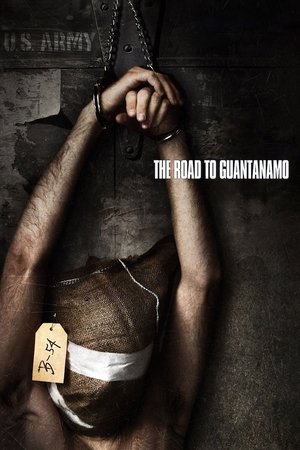
Part drama, part documentary, The Road to Guantánamo focuses on the Tipton Three, a trio of British Muslims who were held in Guantanamo Bay for two years until they were released without charge.
A documentary about the corrupt health care system in The United States whose main goal is to make profit even if it means losing people’s lives. "The more people you deny health insurance, the more money we make" is the business model for health care providers in America.
Félix finds a young man lying unconscious on the beach and realizes he has scales on his back. Félix takes him home and takes care of him.
In 1979 Cuba, flamboyant gay artist Diego attempts to seduce straitlaced David, an idealistic young communist, and fails dismally. But David conspires to be "friends" with Diego so he can monitor the artist's subversive life for the state. As Diego and David discuss politics, individuality and personal expression in Castro's Cuba, a genuine friendship develops between the two.
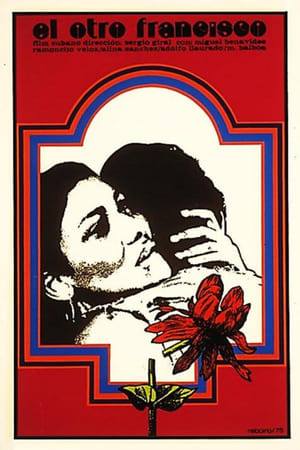
Based on the novel Francisco by Anselmo Suárez y Romero, "The Other Francisco" is a socio-economic analysis of slavery and class struggle through the retelling of the original novel. The film contrasts the romantic conceptions of plantation life found in Suárez Romero's novel with a realistic expose of the actual historical conditions of slavery throughout the Americas. It offers a critical analysis of the novel, showing how the author's social background led to his use of particular dramatic structures to convey his liberal, humanitarian viewpoint.
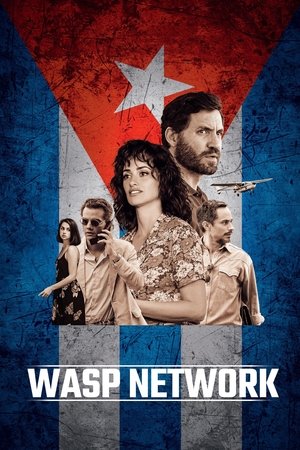
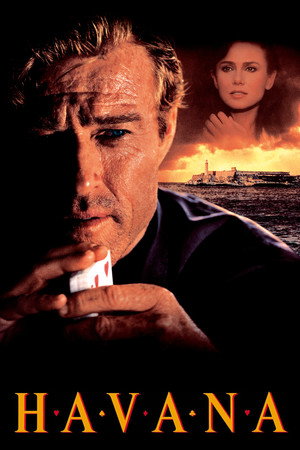
Havana, Cuba, 1990. René González, an airplane pilot, unexpectedly flees the country, leaving behind his wife Olga and his daughter Irma, and begins a new life in Miami, where he becomes a member of an anti-Castro organization.
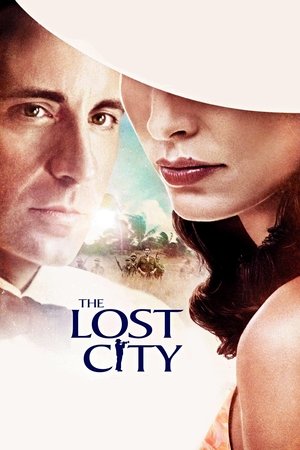
In Havana, Cuba in the late 1950's, a wealthy family, one of whose sons is a prominent nightclub owner, is caught in the violent transition from the oppressive regime of Batista to the Marxist government of Fidel Castro. Castro's regime ultimately leads the nightclub owner to flee to New York.
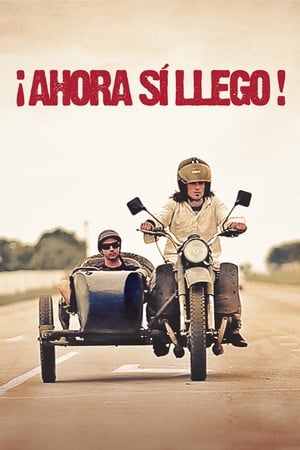
The first Road Movie feature film made by the Italian artist Sanzi together with the Cuban Balboa is inspired by friendship, the island and the motorbike. The two artists used, for the first time in Cuba, the form of the Road Movie--the cinematic genre the plot of which is developed during a trip.
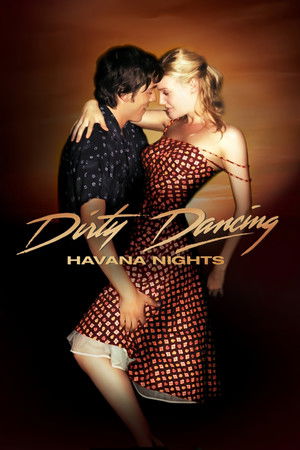
In pre-revolution Cuba, Katey Miller is about to defy everyone's expectations. Instead of a parent-approved suitor, Katey is drawn to the sexy waiter, Javier, who spends his nights dancing in Havana's nightclubs. As she secretly learns to dance with Javier, she learns the meanings of love, sensuality and independence.
Power struggles among the owners of a cigar factory;meanwhile, a society babe and a factory girl compete over the youngest of the executives.
When backpacker millennials Benjamin, Judith and Katharina travel to Cuba to find Katharina’s missing brother Wanja, they become more and more entrapped within a maze of delusions, sincere feelings and sexual desires: It begins as an exciting adventure and turns into a passionate love triangle.
It's the late 1980s in Cuba, and in an isolated ranch in a small town near Santa Clara, lives Vilma, a young nurse who dreams of a better place to raise her upcoming baby, along with her disabled husband Ivan. However, neither her skills as a nurse nor as a shooter will free Vilma from her harsh reality until a natural phenomena sweeps her away and Vilma wakes up in a place where it seems her dream will come true.
At the height of the 1980s AIDS epidemic, Cuban boxing champion Horacio's punishment for failing a drug test is to watch over the brash, combative Daniel, a patient in a sanatorium where HIV patients are compulsorily confined. The two collide as Daniel yearns for freedom while Horacio dreams of returning to the ring.
Walfrido Larduet, a lonely electrical inspector, dreams of the Red Woman, whose image persists and becomes an obsession. Something tells him she is near. Over the course of a day, Walfrido will follow her trail as he travels through the suburbs of an infested city.
La hoja de la caleta
A Dutch slave captain, on a voyage to Cuba, faces a revolt fomented by a newly captured African slave, Tamango. The slaves capture the captain's mistress, forcing a showdown.
A biting satire about life in contemporary Cuba. Alicia, a young drama instructor, is sent to the small town of Maravillas de Noveras, which is itself an exaggerated, but very ingenious reflection of the real Cuba. Her adventures there are almost as surreal as the ones experienced by Lewis Carroll's character, reflecting patterns of indoctrination, coercion, absolutism, and many other everyday problems in Cuban society.
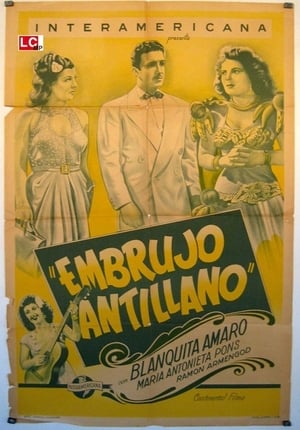
Sailor meets singer in Cuba. He's due to ship out, but hits it off with her, so he sticks around. Trouble brewing on many fronts - singer's best friend doesn't like the sailor, and singer has another suitor anyway. Rich guy takes her to all the fancy Cuban sports events - jai-alai, horse racing. Much more glamorous than spending time with Sailor. Can he win her over before he gets in trouble for letting his ship sail without him?