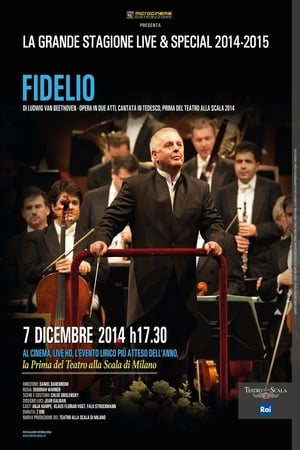
A tribute to marriage coming from a bachelor is a tad suspicious. But for Beethoven the idealization of the woman-bride was heartfelt and sincere. It has always been a unique opera starring a courageous wife who wows audiences. Fidelio is a moral title, associated with the ideals of liberty of the French Enlightenment. Nobility and commoners are united in their thirst for justice against the oppression of power. For once the faithful consort of a desaparecido wins her battle against a treacherous tyrant, and the collective joy truly is “nameless”, as is sung on the stage. Especially because the “our heroes to the rescue” finale is recounted by the triumphant symphonic flair of the quintessential musician. Beethoven really does bring the world to collapse at the conclusion of this opera, which begins like a delightful little comedy, but which scales and transcends all the summits of the dramatic-musical art.
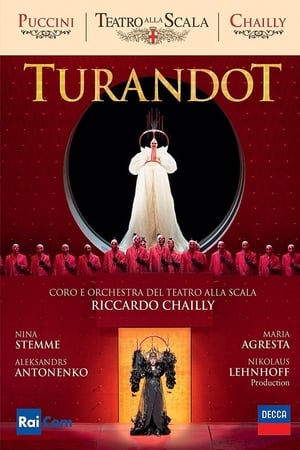
Visually this is a gripping production which captures the drama of this opera perfectly. It's downright exciting! and I found the singing, acting, and orchestral playing reasonably fine. I found only one major problem with it, a problem that kept Puccini for quite a few years. Turandot has been looking for an opportunity to kill Calif and Calif has singlemindedly tried to get Turandot to love and wed him focusing on her and ignoring a better looking girl who loves him truly. The problem is how to get the audience to applaud the match once Calif gets his wish. Puccini couldn't figure out how to do it. The traditional quick ending doesn't do it, and Berio's attempt is longer , tries its best, but ends up making it plain this is one wierd couple.
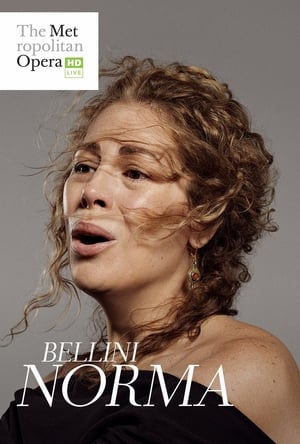
Deep in a forest where druids and warriors seek revenge against the conquering Romans, Norma is scorned by the Roman proconsul Pollione, with whom she has two children. Her kindness turns to fury when she discovers that Pollione has taken Adalgisa, a novice priestess, as his new lover. When Pollione loses his high rank in the army and is offered as a sacrifice, Norma promises him freedom under one condition.
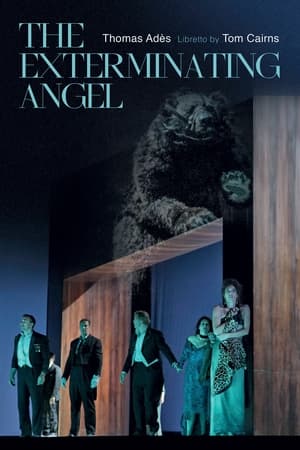
After the acclaimed Met premiere of Thomas Adès's "The Tempest" in 2012, the composer returned with another masterpiece, this time inspired by filmmaker Luis Buñuel's seminal surrealist classic "El Ángel Exterminador", during the 2017–18 season. As the opera opens, a group of elegant socialites gather for a lavish dinner party, but when it is time to leave for the night, no one is able to escape. Soon, their behavior becomes increasingly erratic and savage. The large ensemble cast tackles both the vocal and dramatic demands of Adès's opera with one riveting performance after another. Tom Cairns, who also penned the work's libretto, directs an engrossing and inventive production, using a towering wooden archway to trap the characters onstage. And Adès himself takes the podium to conduct the frenzied score, which features a host of unconventional instruments, including the eerie electronic ondes Martenot.
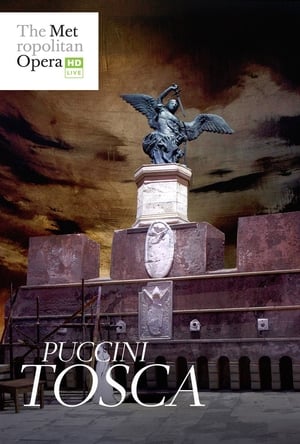
Sir David McVicar’s bold new staging of Tosca, Puccini’s operatic thriller of Napoleonic Rome, thrilled Met audiences when it rang in the New Year in 2018. Only weeks later, the production was seen by opera lovers worldwide as part of the Met’s Live in HD series of cinema presentations. In this performance, Bulgarian soprano Sonya Yoncheva is the passionate title diva, opposite charismatic tenor Vittorio Grigolo as her lover, the idealistic painter Mario Cavaradossi. Baritone Željko Lučić is the menacing Baron Scarpia, the evil chief of police who employs brutal tactics to ensnare both criminals and sexual conquests. On the podium, Emmanuel Villaume conducts the electrifying score, which features some of Puccini’s most memorable melodies.
Premiered immediately before the enduring masterpieces Rigoletto, Il Trovatore, and La Traviata, Luisa Miller incorporates the youthful vitality that had made Verdi an international sensation while also looking forward to the dramaturgical discipline and sophistication of those later works. In this Live in HD performance, soprano Sonya Yoncheva takes on the riveting title role, capping off a season in which she starred in three cinema transmissions. As her father, Miller, the legendary Plácido Domingo adds another baritone role to his extensive repertoire. Tenor Piotr Beczała as Rodolfo, Alexander Vinogradov as Count Walter, and Dmitry Belosselskiy as Wurm round out the illustrious cast, and Bertrand de Billy conducts.
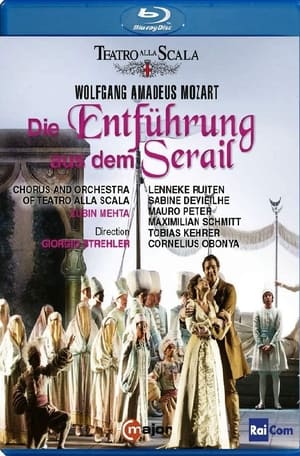
A Mozart opera at La Scala in Milan.
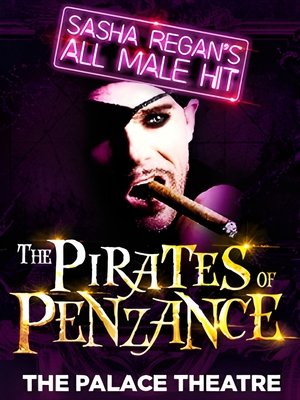
Sasha Regan’s award-winning All-male Company are set to lift everyone’s spirits with a treat in their new West End pirate’s cove. The swashbuckling pirates and their winsome lasses sail into the Palace Theatre with their inventive new take on W. S. Gilbert & Arthur Sullivan’s classic operetta THE PIRATES OF PENZANCE. Featuring a dazzling cast singing songs including: “I am a Pirate King”; “Oh, happy day, with joyous glee” and “A rollicking band of pirates we”, they are sure to raise the roof off the Palace Theatre!
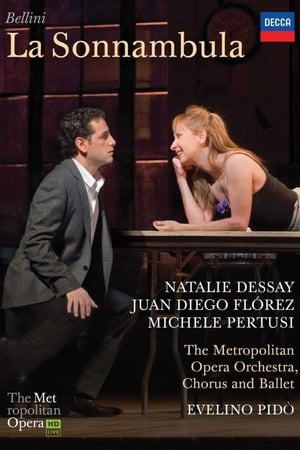
Just as a young woman is about to marry her sweetheart, she is discovered—by the entire village, to say nothing of her fiancé—asleep in the bedroom of a stranger. It takes the young man two acts to figure out that sleepwalking is to blame, and everything ends happily. Natalie Dessay as Amina and Juan Diego Flórez as Elvino deliver bel canto magic and vocal fireworks in Mary Zimmerman’s 2009 production. The Tony award-winning director transfers Bellini’s bucolic tale to a rehearsal room in contemporary New York, where an opera company rehearses La Sonnambula—and where the singers are truly in love with each other.
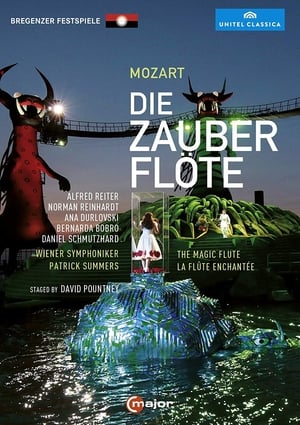
What begins like a fairy-tale turns into a whimsical fantasy halfway between magic farce and Masonic mysticism: The Magic Flute links a love story with the great questions of the Enlightenment, juxtaposes bird-catcher charm with queenly vengeance, and bewitches the listener with music that mixes cheerful melodies, lovers’ arias, showstopping coloraturas and mysterious chorales. W. A. Mozart’s opera premiered in 1791 and is one of the most often performed operas in the world. The production on the Bregenz Festival lake stage impresses the audience with a fantastic setting framed by three dog-dragons, each of them more than twenty meters in height. “David Pountney finds stunning answers to the everlasting questions surrounding ‘The Magic Flute’.” (Tagesspiegel) “The ‘play on the lake’ in Bregenz takes the audience into a fantasy world.” (Salzburger Nachrichten)
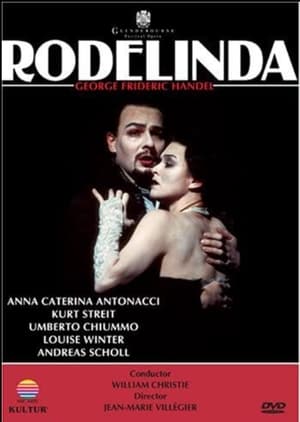
Jean-Marie Villegier's modern interpretation of Handel's "Rodelinda" – filmed live at the world-renowned Glyndebourne Opera House in the United Kingdom, sets the timeless tale of jealousy and treachery in the black-and-white world of the silent-movie era. Soprano Anna Caterina Antonacci sings the title role of Rodelinda, with tenor Kurt Streit and bass Umberto Chiummo performing the parts of Grimoaldo and Garibaldo, respectively.
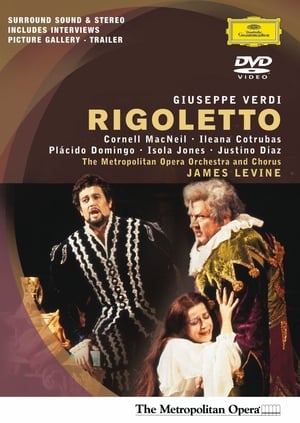
A Victor Hugo play, haunting and scandalous, provided the inspiration for Verdi’s mid-career masterpiece. A vengeful but misguided court jester strives to save his daughter from a duke’s licentious clutches, but can't part with the feeling that a curse looms over all of his actions. In Rigoletto, the composer introduces several of his most iconic arias and duets—as well as an 11th-hour quartet that counts among the finest moments in opera.
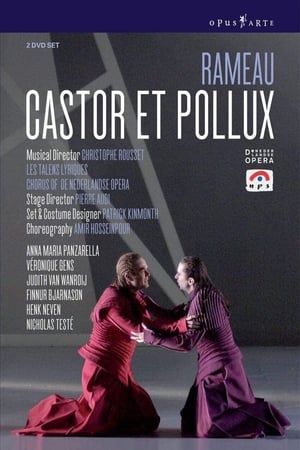
Recorded at the Musiektheater, Amsterdam on 21 & 25 January 2008. Performed by De Nederlandse Opera, composer Jean-Philippe Rameau's renowned tragedy "Castor et Pollux" tells the myth-based story of the selfless love between two brothers: Castor, who is mortal, and the immortal Pollux. When Castor dies trying to prevent the kidnapping of the woman he loves, Pollux decides to become mortal and replace his brother in the Underworld. Finnur Bjarnason, Henk Neven and Anna Maria Panzarella star.
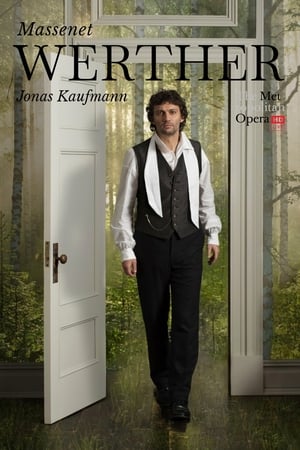
Star tenor Jonas Kaufmann brings aching intensity and vocal charisma to the tortured title hero of Massenet’s Goethe adaptation. Sophie Koch, in her Met debut, is an appealing and elegant Charlotte, the object of Werther’s passionate affection that will lead to tragedy. Lisette Oropesa as Sophie, David Bižić as Albert, and Jonathan Summers as Le Bailli co-star. Richard Eyre’s atmospheric production is conducted by rising maestro Alain Altinoglu.
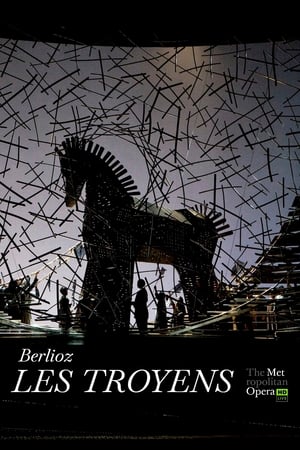
Berlioz’s epic masterpiece retells the magnificent saga of the aftermath of the Trojan War and the exploits of Aeneas. Rising tenor Bryan Hymel, in his Met debut, stars as the hero charged by the gods with the founding of the city of Rome. Susan Graham is Dido, Queen of Carthage, who becomes Aeneas’s lover, and Deborah Voigt sings Cassandra, the Trojan princess whose warnings about the impending destruction of Troy go unheeded. Francesca Zambello’s atmospheric production, featuring choreography by Doug Varone, is led by Met Principal Conductor Fabio Luisi.
With its enchanting setting and spellbinding score, the world’s most popular opera is as timeless as it is heartbreaking. Franco Zeffirelli’s picture-perfect production brings 19th-century Paris to the Met stage as Puccini’s young friends and lovers navigate the joy and struggle of bohemian life. Soprano Juliana Grigoryan is the feeble seamstress Mimì, opposite tenor Freddie De Tommaso as the ardent poet Rodolfo.
The electrifying Lise Davidsen tackles one of the ultimate roles for dramatic soprano: the Irish princess Isolde in Wagner’s transcendent meditation on love and death. Heroic tenor Michael Spyres stars opposite Davidsen as the love-drunk Tristan. Mezzo-soprano Ekaterina Gubanova reprises her signature portrayal of Brangäne, alongside bass-baritone Tomasz Konieczny, who sings Kurwenal after celebrated Met appearances in Wagner’s Der Fliegende Holländer and Ring cycle. Bass-baritone Ryan Speedo Green makes an important role debut as King Marke.
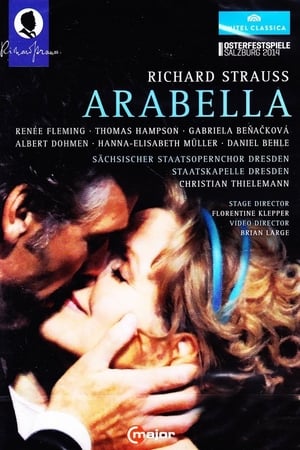
2014 marks a year of celebration recognizing the 150th birthday year of the German late-Romantic orchestral, operatic and lied master composer, Richard Strauss (1864-1949). Arabella (premiered 1933, Dresden) was the last of the half dozen Strauss works to feature a libretto by the great Austrian writer Hugo von Hofmannsthal. This production, from the most recent Salzburg Easter Festival is, after Capriccio, the second of three Richard Strauss operas C Major is releasing in honor of the composers birth, life and work. The star-laden cast includes soprano Renèe Fleming, baritone Thomas Hampson, Albert Dohmen (Covent Garden, Wiener Staatsoper, MET) and Gabriela Beaková (Wiener Staatsoper, Covent Garden). With Christian Thielemann and the Staatskapelle Dresden, the music of Richard Strauss is in the best of hands. (ORF) Thielemann gets the best out of the cast...especially Renée Fleming with her luxurious soprano FAZ
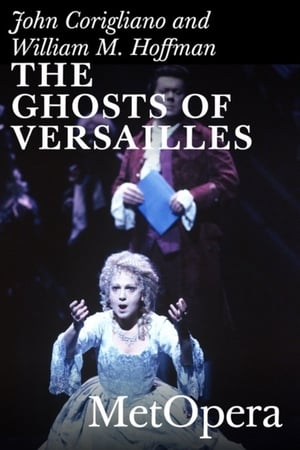
What happened to Figaro and his friends after the events told in Rossini’s and Mozart’s operas? One possible sequel is told in John Corigliano’s “grand opera buffa” The Ghosts of Versailles—an uproariously funny and deeply moving work inspired by Beaumarchais’s third Figaro play, La Mère Coupable, and commissioned by the Met to celebrate its 100th anniversary. This telecast captures its world premiere run, conducted by James Levine. Håkan Hagegård is Beaumarchais, Figaro’s creator, who is deeply in love with Marie Antoinette (Teresa Stratas in a heart-searing performance) and determined to rewrite history and save her from the guillotine. A young Renée Fleming, at the beginning of her international career, sings the unfaithful Rosina. Gino Quilico is the wily Figaro who tries to take matters in his own hands, and Marilyn Horne stops the show as the exotic entertainer Samira.
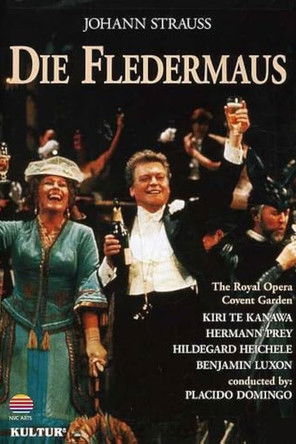
Most opera houses ring in the New Year with Johann Strauss Jr.'s most popular operetta--the festiveness of which is appropriate for the occasion--and this December 31, 1983, Covent Garden performance follows suit. An exceptional cast--led by Hermann Prey and Kiri Te Kanawa as the couple whose marriage survives the comic indiscretions of three long acts--obviously has as much fun as the audience. Plácido Domingo leads the Orchestra of the Royal Opera House through its paces with panache. Prince Orlofsky's Act II party is always a splendid opportunity to pull out all the stops with surprise "guests," and this performance makes the most of its chance: entering the proceedings to sing one of his tailor-made chansons, "She," is French crooner Charles Aznavour, who is followed by dancers Merle Park and Wayne Eagling, their delightful pas de deux flashily choreographed by Sir Frederick Ashton.