A documentary on seniors at a high school in a small Indiana town and their various cliques.
In 1947, two years after the end of the Second World War, Film Journal No. 1 was released in Sarajevo. Fifty years later, after the collapse of the Communist bloc, this newsreel was lost in the confusion of the fighting in Yugoslavia. In Journal No. 1 Hito Steyerl attempts to find out how the footage got lost and what was on this document from the Sutjeska studio. In the simultaneous projection of Journal No. 1 the ‘unattainability of an historical zero hour of the national identity’ takes concrete form: The lost newsreel reports on a literacy campaign as well as Muslim women confidently removing their headscarves. We listen however to eyewitnesses trying to recapture the lost content and we see the artist Arman Kulasic making a number of drawings that resemble the story-boards for the lost film. What appears to be moments of great change remain limited by subjective and uncertain memory. The film was premiered at documenta 12.
Documentary filmmaker Amy Berg investigates the life of 30-year pedophile Father Oliver O'Grady and exposes the corruption inside the Catholic Church that allowed him to abuse countless children. Victims' stories and a disturbing interview with O'Grady offer a view into the troubled mind of the spiritual leader who moved from parish to parish gaining trust ... all the while betraying so many.
If your bedroom has become too small a stage for your air guitar antics, take inspiration from the competitors featured here as they battle their way from the inaugural U.S. Air Guitar Championship to the world championship in Oulu, Finland. Along the way, filmmaker Alexandra Lipsitz documents the fierce rivalries that develop as would-be rock legends vie for top honors in technical accuracy, stage presence and "airness."
Accordions have returned, not only with amusement, but with a beautiful, eloquent, haunting, and downright exciting vengeance!
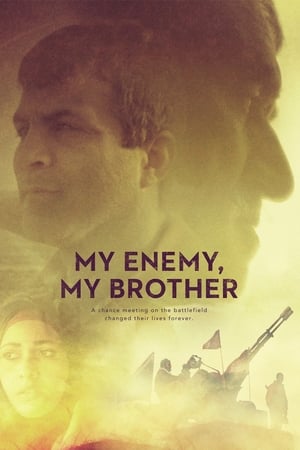
The eight-year Iran-Iraq War was one of the most brutal conflicts to devastate the region in the 20th century. Zahed was 13 years old when he enrolled in the Iranian army. Najah was 18 when he was conscripted into the Iraqi army, and he fought against Zahed in the Battle of Khorramshahr. Fast forward 25 years, a chance encounter in Vancouver between these two former enemies turns into a deep and mutually supportive friendship. Expanded from the 2015 short film by the same name.
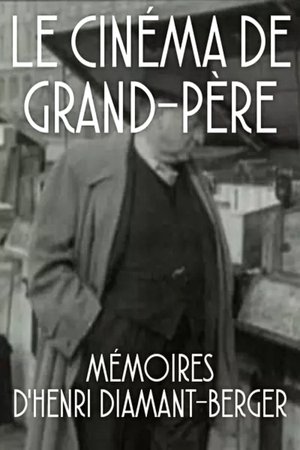
Remarkable life story of Henri Diamant-Berger, a director and screenwriter whose devotion to cinema led him to collaborate with some of the greatest actors and filmmakers of his time.
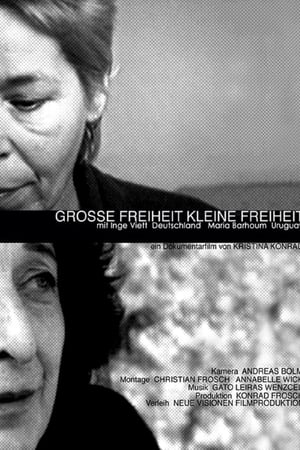
Two women fought with uncompromising conviction to change the world in the late 1960s - Inge Viett as a former member of the RAF in Germany, Maria Barhoum as former member of the FAU in Uruguay. In 1999, they met in Cuba, a country that seemed to mirror many of their questions, hopes and fears. The film looks at their real lives and different roads to exile; two utopian visions sought under very different conditions on separate continents. It is a double portrait of two extraordinary women that succeeds in avoiding the twin pitfalls of condemnation and glorification.
Documents a woman's actual pregnancy; the emotions, the affects on her husband and first-born child, the birth itself via Caesarean section, and her struggle to return to work and a social life, while still being a good mother.
Chuck Close, an astounding portrait of one of the world's leading contemporary painters, was one of two parting gifts (her second is a film on Louise Bourgeois) from Marion Cajori, a filmmaker who died recently, and before her time. With editing completed by filmmaker Ken Kobland, Chuck Close lives the life and work of a man who has reinvented portraiture. Close photographs his subjects, blows up the image to gigantic proportions, divides it into a detailed grid and then uses a complex set of colors and patterning to reconstruct each face.
In December 2025, the extraordinary artist Hildegard Knef would have celebrated her 100th birthday. Her life was shaped by numerous talents, an unshakeable will to succeed and the ability to keep pushing herself forward. This documentary sheds light on the life of the legendary actress and singer.
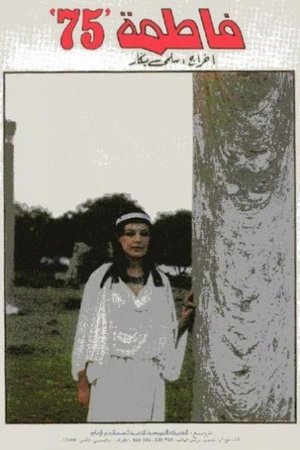
A pioneering film from Tunisia, Fatma 75 is the first non-fiction film by a Tunisian woman, a feminist essay film, and the first in a series of powerful films about strong female figures in the country. The film was made in the UN International Women's Year 1975, and has long been recognised as one of the most important films from North Africa, but has never officially been seen before due to censorship.
The remarkable true story of Michael Cohen, a charlatan art dealer who swindled over $50 million from the art establishment before going on the run.
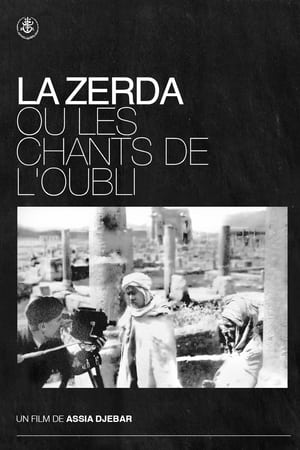
“La Zerda and the songs of oblivion” (1982) is one of only two films made by the Algerian novelist Assia Djebar, with “La Nouba des femmes du mont Chenoua” (1977). Powerful poetic essay based on archives, in which Assia Djebar – in collaboration with the poet Malek Alloula and the composer Ahmed Essyad – deconstructs the French colonial propaganda of the Pathé-Gaumont newsreels from 1912 to 1942, to reveal the signs of revolt among the subjugated North African population. Through the reassembly of these propaganda images, Djebar recovers the history of the Zerda ceremonies, suggesting that the power and mysticism of this tradition were obliterated and erased by the predatory voyeurism of the colonial gaze. This very gaze is thus subverted and a hidden tradition of resistance and struggle is revealed, against any exoticizing and orientalist temptation.
A very personal and dynamic meditation on the current global refugee crisis through the eyes and voices of campaigners, specially children, where past and present establish a dialogue. A reflection on the importance of human rights.
This short film displays the dynamic movement of people as they enter and exit parks in Paris.
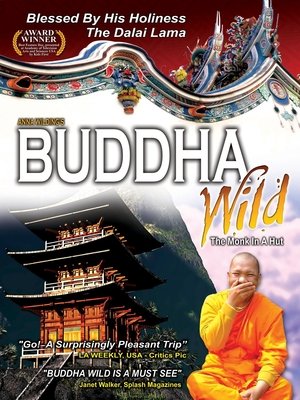
Buddhist monks open up about the joys and challenges of living out the precepts of the Buddha as a full-time vocation. Controversies swirling within modern monastic Buddhism are examined, from celibacy and the role of women to racism and concerns about the environment.
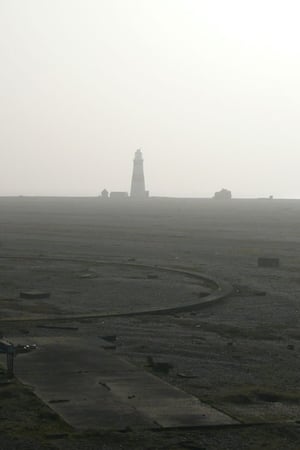
Construed in the time of running clouds, a panoramic and another examination of vacant buildings on the British shore (Orford Ness), a deserted place on Earth, place of non-specificity as a base for an open course of events that shape the sense, consisting in interaction between the image and the viewer.
They thought life would be simple. All material problems would be overcome. Every morning it would be good to have breakfast together, the table laid. It would be the beginning of a long day at work. The daily ritual of a house inhabited by a mother and the two-year-old daughter. The automatism of the gestures of material life and its suspension in small events.
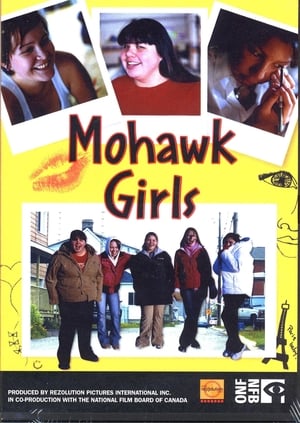
For three teenage girls growing up in Kahnawake — and indeed, all teenagers on the reserve — life can be quite confusing. If they want to move away to pursue new experiences — perhaps in nearby Montreal — they risk losing credibility, or worse yet, their rights as Mohawk women. Of course, if they stay, their opportunities in the tiny community are limited. With insight, humour and heart, director Tracey Deer (who left Kahnawake to attend school and pursue filmmaking) returns to her community to follow these Mohawk girls and tell their stories. Her deeply emotional documentary reveals the complex hope, heartache and promise of growing up Indigenous in the 21st century.