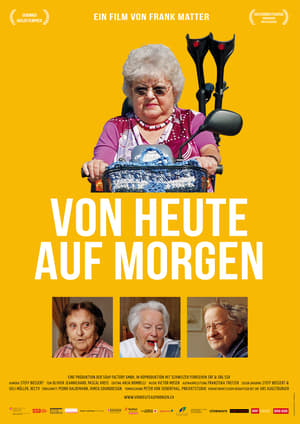
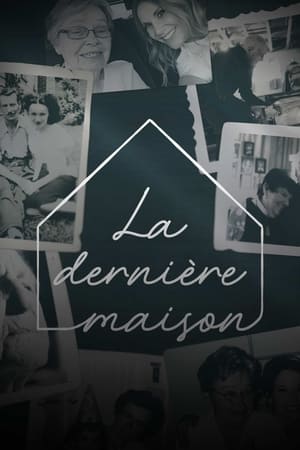
'From One Day To The Next' follows four elderly people through their everyday lives, observing how they cope with a gradual loss of autonomy.
An in-depth oral history of the production and development history of Robert Altman's "O.C. and Stiggs," featuring commentaries from the film's cast and crew.
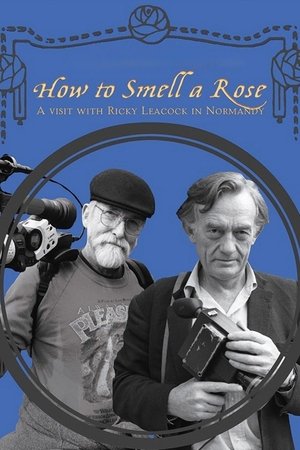
In the year 2000, Les Blank, along with co-filmmaker Gina Leibrecht, visited Richard Leacock (1921-2011) at his farm in Normandy, France and recorded conversations with him about his life, his work, and his other passion: cooking! With the flair of a seasoned raconteur, Leacock recounts key moments in his seventy years as a filmmaker and the innovations that he, D.A. Pennebaker, Albert Maysles and others invented that revolutionized documentary filmmaking, and explores the mystery of creativity. With the passing of both Blank and Leacock, the documentary is a moving insight into the lives of two seminal figures in the history of film.
Three juxtaposing stories taking place in Portugal, Austria and Cuba create an intimate and poetic portrait of the daily lives and struggles of the elderly in an unstable world, seen through the eyes of their grandchildren.
Documentary on the history of Ryhmäteatteri theatre company.
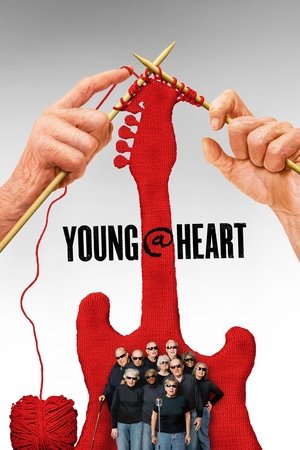
Documents the true story of the final weeks of rehearsal for the Young at Heart Chorus in Northampton, MA, and many of whom must overcome health adversities to participate. Their music goes against the stereotype of their age group. Although they have toured Europe and sang for royalty, this account focuses on preparing new songs for a concert in their hometown.
A bunch of British working class amateur filmmakers with nothing left to lose tackle one of Hollywood's greatest musicals in order to save their beloved Club. Britain’s oldest amateur filmmaking club struggles to survive, as its members grow old amid flickering memories and hardships. In the northern industrial town of Bradford, England, a handful of diehard amateur filmmakers desperately cling to their dreams, and to each other, in this warm and funny look at shared artistic folly that speaks to the delusional dreamer in us all.
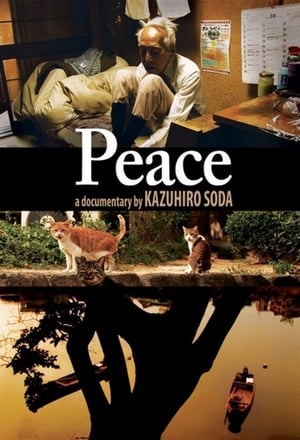
What is peace? What is coexistence? And what are the basis for them? PEACE is a visual-essay-like observational documentary, which contemplates these questions by observing the daily lives of people and cats in Okayama city, Japan, where life and death, acceptance and rejection are intermingled.
In order to meet future care demands for elderly who are lonely and suffering from dementia, carebot Alice has been developed. Can a robot build a human relationship with someone and thus replace a person of flesh and blood? The three women, all getting on in years, who are visited by her in Alice Cares actually become pretty fond of the robot girl. Carebot Alice leaves the laboratory to visit Mrs. Remkes, Mrs. Schellekens-Blanke and Mrs. van Wittmarschen, each in their own house. The three women are getting on in age and are therefore exceptionally suited for the services of Alice, who has been developed by SELEMCA. This is a research group which tries to discover, with the help of community nurses and family, how 'sociobot' Alice should talk and react to stem the effects of loneliness on older women. The outcome of the experiment is surprising for all involved.
The protagonists of this docudrama are old farmers who migrated to Banat after the First World War, in 1922. The film is focused on a couple of important events in their impressive lives, which are woven into lively scenes and stories full of wise instances. Their statements become spontaneous recounts of the lives of people in this region.
Hardly could anybody tell that 87 years old Lou has had Alzheimer’s disease. Over the years, Lou has forgotten almost everyone but firmly believes that 88 years old Feng is the one she is going to spend the rest of her life with.
A single female voice sings of waiting in her garden for her ‘dark-eyed sailor’ to return from war, bearing the other half of their token, a gimmel ring. Three veterans pass on the road as she waits, and she asks them: “When you were fighting in distant lands, did you think of the home you left?” In reply the veterans relate their recollections. The garden images in the accompanying film represent ‘home’, but also stand for a more general possibility of redemption, of the potential of the past to return at any time, disguised and changed, to renew the present: “Each moment of time is a garden gate,” the song goes, “Through it my love may walk.”
A first-of-its-kind speed dating event for 70- to 90-year-olds sets up this comic and poignant look at the search for love among the booming senior set. Over one summer, we intimately follow as ten speed daters – fearlessly candid about their lives and desires – prepare for the big day, endure a rush of encounters, and anxiously receive their results. Then, as they head out on first dates, we discover how worries over physical appearance, intimacy and rejection, loss and new beginnings change – or don't change – from first love to the far reaches of life. Α funny and bittersweet story about the universality of love and desire, regardless of age.
The story of Nisar Ahmed Khan, told through his children and the people he served, a spiritual guide whose followers still visit his tomb on his birth and death anniversaries. And alongside how his family spends a few days at the village keeping his traditions alive.
With an empathetic and intimate lens, veteran filmmaker Denys Desjardins captures his elderly mother's experience of neglect in Quebec's healthcare system and his sister's fight to secure her an acceptable long-term care solution.
The film follows five senior athletes along their biggest challenge - maturity. As all of them are between 80 and 100 years old it is a race against time and personal degeneration. Nevertheless they are united in one common goal - to take part in the track and field World Masters Championships. Life will end soon - so what?
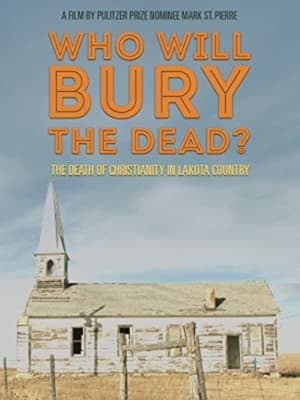
This documentary offers a deep, candid, and historical look at the Christian experience of America's largest and best-known tribes: the Dakota and Lakota. Its exploration into Native American history also takes a hard and detailed look at President Ulysses S. Grant's Peace Policy of 1873, which was, in effect, a "convert to Episcopalianism or starve" edict put forth by the American government in direct violation of its Constitution. The devastation it had on the values of the people affected were dramatic and extremely long-lasting. Grant's policy was finally ended over 100 years later by the Freedom of American Indian Religions Act in 1978. Interlaced with extraordinarily candid interviews, this documentary presents an insider's perspective of how the Dakota and Lakota were estranged from their religious beliefs and their long-standing traditions.
One of the five-part documentary series by Belarusian writer and director Viktor Dashuk, which recounts the horrors experienced by the Belarusian people during World War II, through firsthand accounts of survivors and newsreel footage.
The film follows the band Slowdive as they come up in the flourishing Thames Valley shoegaze scene and chronicles the making of their classic album Souvlaki. It features interviews with all of the band members as well as Creation Records' Alan McGee, producer Chris Hufford, and engineer Ed Buller.
An experimental music ensemble is recording an album. They want a very specific sound: the sound of thick air. The sound engineer struggles to understand and to find that sound. A tale of sleepless nights and loud music, a noise-injected collage composed of diaristic footage, a found narrative (memories of a popular 60s band), original music and field recordings.