The fourth film in Shin-Ei's series of annual WWII themed anime television movies for children "Sensou Douwa".
Wounded in Africa during World War II, Nazi Col. Claus von Stauffenberg returns to his native Germany and joins the Resistance in a daring plan to create a shadow government and assassinate Adolf Hitler. When events unfold so that he becomes a central player, he finds himself tasked with both leading the coup and personally killing the Führer.
After his father is murdered by the Nazis in 1938, a young Viennese Jew named Ferry Tobler flees to Prague, where he joins forces with another expatriate and a sympathetic Czech relief worker. Together with other Jewish refugees, the three make their way to Paris, and, after spending time in a French prison camp, eventually escape to Marseille, from where they hope to sail to a safe port.
When in 1941 Nazi Germany invaded the Soviet Union, their troops quickly besieged Leningrad. Foreign journalists are evacuated but one of them, Kate Davies, is presumed dead and misses the plane. Alone in the city she is helped by Nina Tsvetnova a young and idealist police officer and together they will fight for their own survival and the survival of the people in the besieged Leningrad.
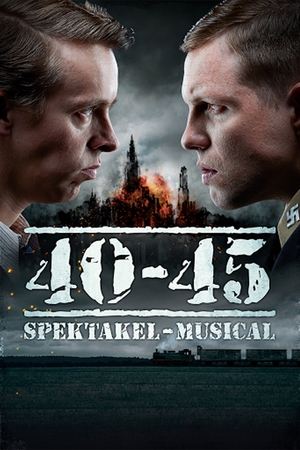
At the end of WWII the Dutch resistance kills a German officer in front of the house of a Dutch family. Years after the war the young boy who witnessed the killing runs into the members of the resistance who committed the killing.
The movie tells the story of Franz, a Waffen-SS soldier who deserts, and Polina, a Belarusian woman whose village is razed and people massacred.
A World War II submarine commander finds himself stuck with a damaged sub, a con-man executive officer, and a group of army nurses.
In the whirlpool of WW2, two peaceful towns that have already tasted peace are once again attacked by the Germans. Casualties are high, but the dream of a boy and a girl about their liberated towns cannot be destroyed.
An experimental film about a peaceful and carefree life in a small Dalmatian town, which turns into bloodshed and horror on the eve of the Italian occupation of the country.
The extraordinary story of how Hollywood changed World War II – and how World War II changed Hollywood, through the interwoven experiences of five legendary filmmakers who went to war to serve their country and bring the truth to the American people: John Ford, William Wyler, John Huston, Frank Capra, and George Stevens. Based on Mark Harris’ best-selling book, “Five Came Back: A Story of Hollywood and the Second World War.”
A bitter battle is fought between Australian and Japanese soldiers along the Kokoda trail in New Guinea during World War II.
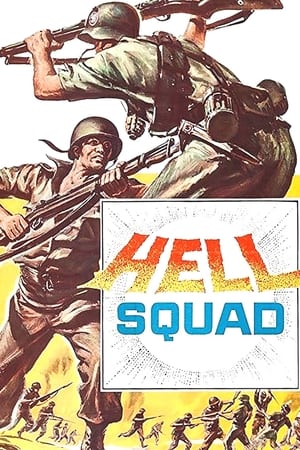
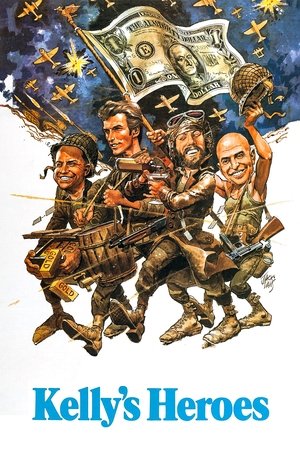
A small band of misfit American commandos are assigned to head across the North African desert to blow up a huge German fuel depot.
A tribute to the cameramen of the newsreel companies and the service film units, in the form of a compilation of film of the cameramen themselves, their training and some of their most dramatic film.
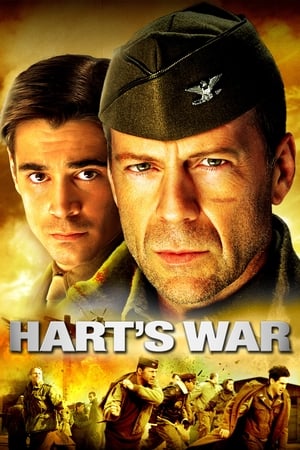
When Col. William McNamara is stripped of his freedom in a German POW camp, he's determined to keep on fighting even from behind enemy lines. Enlisting the help of a young lieutenant in a brilliant plot against his captors, McNamara risks everything on a mission to free his men and change the outcome of the war.
During World War 2, Jewish men were forced to box for Nazi Entertainment. The winner got extra food, the loser went to the gas chambers. Based on true events, a Jewish American Olympian and his family struggle for survival in the midst of the Holocaust.
Writer/Director Kaneto Shindô recounts his time spent in the Japanese Navy in WWII. He tells about the harsh training, grueling conditions, and tragic losses which are reenacted in black & white sequences.
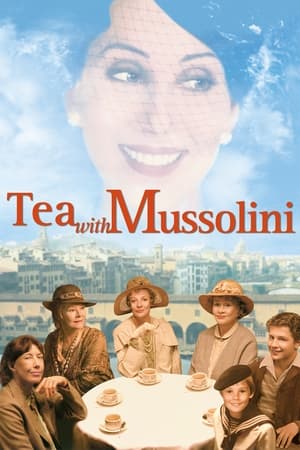
Benito Mussolini: Anatomy of a Dictator
Based on a true incident that occurred in 1942 when nine Nazi saboteurs were put ashore on the coast of Long Island, New York, by submarine, with orders to blow up various defense installations.
In 1944, two prisoners miraculously escaped from Auschwitz. They told the world of the horror of the Holocaust and raised one of the greatest moral questions of the 20th century.
The story of the WWII project to crack the code behind the Enigma machine, used by the Germans to encrypt messages sent to their submarines.