A hostage situation gone bad. Jesús, an amateur thief, holds prisoner a group of clients, but nothing is what it seems. How far are we willing to go to survive?
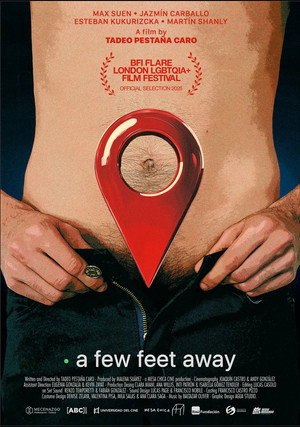
Santiago, a 20 year-old twink shaped by the anonymity of the virtual world, becomes frustrated with gay dating apps and starts obsessively looking for a real experience in the Buenos Aires nightlife.
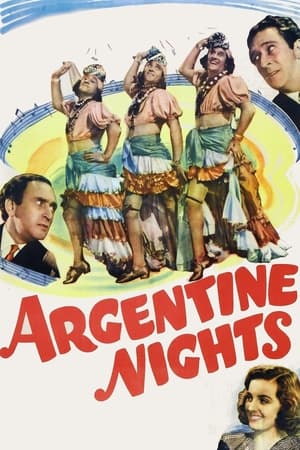
An all-girl band flees to Argentina to avoid their creditors. Comedy with songs.
In December 2001, the Argentinian government defaulted on $155 billion in public debt. Since then, this once-wealthy country has gone through five presidents and watched its currency fall by more than 70 percent. How do people survive in a broken economy? The solutions range from the ingenious -- barter clubs where members can exchange goods and services without money -- to the brutal, including outbreaks of rioting. With the most basic government services now only a memory and the army camped around the capital, how can the people of Argentina begin to put their society back together? What does a financial meltdown look like? And where do American interests or responsibilities lie?
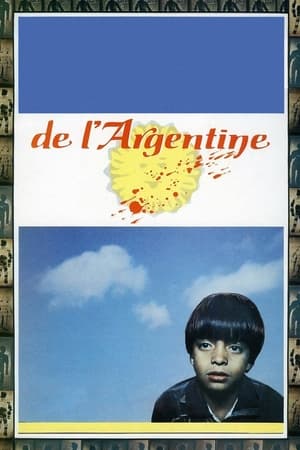
Documentary on State terrorism during the last military dictatorship in Argentina, made in its aftermath. Invited by the Goethe-Institut to hold a workshop with young film students, Schroeter contrasts the official statements of the regime with the testimony of victims, dissidents and relatives of the disappeared. And trust that their faces and words will resonate much more than a mere representation of violence.
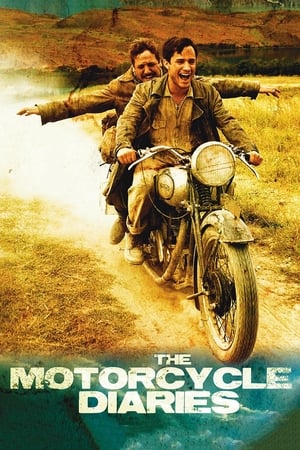
Based on the journals of Che Guevara, leader of the Cuban Revolution. In his memoirs, Guevara recounts adventures he and best friend Alberto Granado had while crossing South America by motorcycle in the early 1950s.
A documentary following the day life of fans in Brazil on July 13, 2014: the day when Germany and Argentina met up in the finals of FIFA World Cup.
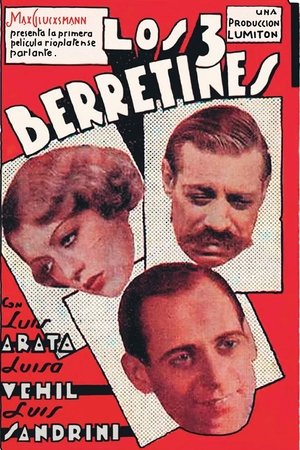
The members of a Buenos Aires family have three hobbies — "berretines" in Buenos Aires slang — that keep them apart of their duties. Because of that, the family business is going down, and the only one who is concerned is the father, who hopes for his fourth son, an architect, to save the situation.
Shy corporate employee Jorge Rizzi's life takes an uproarious turn when he participates in a hypnosis session that rips off his inhibitions and releases a hilarious alter ego.
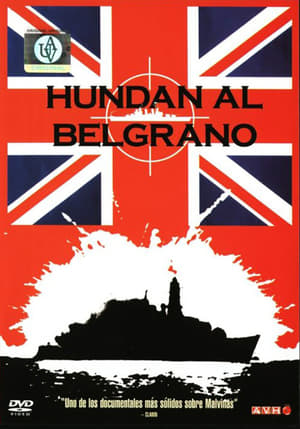
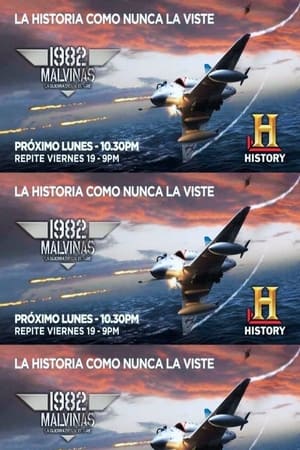
A detailed account of each of the details of the Malvinas War based on interviews, dramatic scenes, maps and other elements of historical roots without ignoring the historical antecedents from the 18th century that ended in this confrontation.
A dead married couple relive the events that lead to their current state. What hides beneath a dreadful atmosphere may be even worse.
The hit musical based on the life of Evita Duarte, an Argentinian actress who eventually became the wife of Argentinian president Juan Perón, and the most beloved and hated woman in Argentina.
Por la razón o por la fuerza
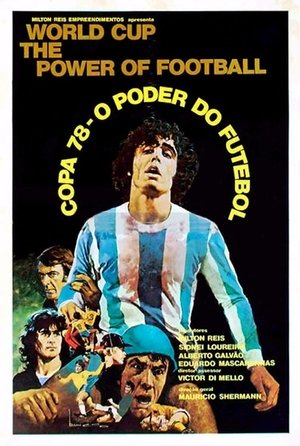
Documentary about the Football World Cup held in Argentina in 1978, focusing on the competition and behind the scenes of the most important soccer competition in the world. Two versions of the 1978 official film exist, the first "Copa 78 - O Poder do Futebol" was made by Brazilian directors Maurício Sherman and Victor di Mello in 1979 but was later withdrawn by FIFA because of its controversial content. The film includes an interview with Rodolfo Galimberti, one of the leaders of the Montoneros guerrilla group and also made accusations that the Argentinian competition organisation committee had deliberately hindered Brazilian chances of success by tampering with the pitch at Mar del Plata.
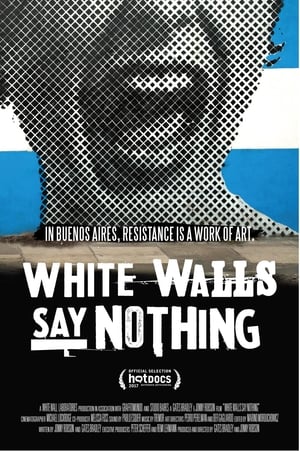
Buenos Aires is a complex, chaotic city. It has European style and a Latin American heart. It has oscillated between dictatorship and democracy for over a century, and its citizens have faced brutal oppression and economic disaster. Throughout all this, successive generations of activists and artists have taken to the streets of this city to express themselves through art. This has given the walls a powerful and symbolic role: they have become the city’s voice. This tradition of expression in public space, of art and activism interweaving, has made the streets of Buenos Aires into a riot of colour and communication, giving the world a lesson in how to make resistance beautiful.
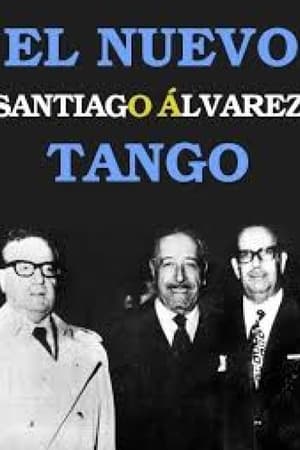
The New Tango (El Nuevo Tango) was not shown in Argentina for a long time as it deals with the ascent of Argentinean president Hector Campora in May 1973, and features Cuban and Chilean presidents, Osvaldo Dorticos and Salvador Allende. A million people gathered on the Plaza de Mayo to acclaim the new President. One of Cámpora's first presidential actions was a granting of amnesty to political prisoners who where jailed during the dictatorship. On 28 May Argentina restored diplomatic relations with Cuba, which then received Argentine aid - such as food and industrial products - to break the United States embargo against Cuba.
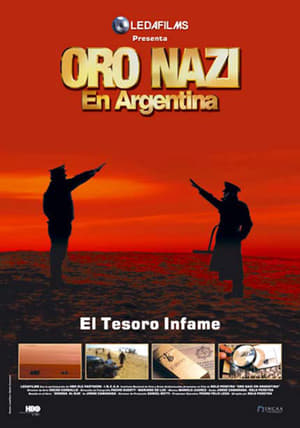
The story begins in Patagonia, deep south in Argentina, where researchers look for the remains of a German U-boat landing. This search leads them to Argentina during the '30s before Second World War, a time when anti-Semitism flourished in the country.
1982 Malvinas, La guerra desde el aire
Víctor Tellez is an intellectual, world-weary film critic who prefers to think in French and eschew the clichés of romantic movies...until he finds himself living a sappy, feel-good love story of his own.
Three friends decide to find one of the worlds most powerful drugs. And ingest it. A gonzo documentary that takes you to and beyond the edge of the world.