Sitcom for 1920s cinemas about the Winter family.
Fairground boxing booth where visitors try to knock out the champion and win five pounds, the first contestants is knocked out but the very eager (and possibly drunk) third man knocks out the champion and overcome with "boxing fever" rushes out punching at everybody and everything he meets. (britishpathe.com)
Each time Mrs Babylas sees an animal, she just can't help herself bring it back home.
Le mogli e le arance is characterized by a wonderful sereneness. It is the kind of quietude which many of us connect immediately with the south. Everything seems to be in its perfect place, and time is just passing. In the setting of a sanatorium a nobleman is practicing idleness and slow-motion mind games. Does it sound boring? Yes, it does. But it is not, the uneventfulness is definitively enthralling. The film director tries to narrate time, time itself, as such, for its own sake: a rare experiment.
A saloon owner loans her lover the money to buy a house, which he has led her to believe they will live in after they're married. Instead, he takes the money and buys a saloon in another town.
During the raid on an emigrant train the girl and her brother, the only survivors, are attacked by the villain who kidnaps the girl and takes her to the camp of Calamity Anne, who takes a liking to the girl and becomes her guardian angel. The girl's brother is killed and a ranger takes the locket containing the girl's picture from his neck and recognizes the girl in Calamity Anne's camp. Later, Calamity Anne holds the villain and his band at bay and the girl and the ranger make their escape. The girl and the ranger come to the spot where the girl's brother is buried and here she asks the ranger if he is going to leave her there alone. His answer is to take her into his arms.
In this story the young wife concerned is called upon to solve a rather momentous question. After separating from her husband, whom she has discovered to be a brute and a criminal, she is about to give herself to another man, believing her husband dead, when he appears before her fleeing from justice. Shall she deliver him to the law or surrender to his claims? She yields in one instance, but not in the other. Then justice intervenes.
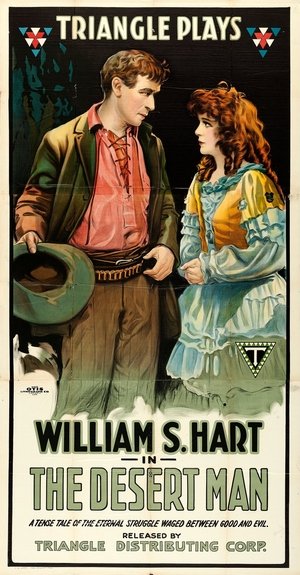
William S. Hart directs and stars in a film that is a typical Western of the era. He plays Jim, a prospector who lands in the town of Broken Hope, and the name pretty much describes its inhabitants. Jim meets and falls in love with Jennie (Margery Wilson), whose father (Walt Whitman) is gravely ill. Jim rounds up a reluctant doctor from another town to tend to the old man, but he dies anyway. The doctor, however, gains Jennie's trust and she runs off with him. Only then does he tell her he's already married. She leaves immediately, but is too proud to go home so she finds work as a dance hall girl at Tacoma Jake's saloon. Jim, meanwhile, finds gold near Broken Hope, which raises its inhabitants' attitudes considerably. But the bad element is still there, and Jim is chasing after a group of kidnappers when he enters Tacoma Jake's saloon and sees Jennie. Jim not only overcomes the bad guys, he gets the girl, too.
At Thanksgiving, a tramp arrives in a homeless-hostile town.
An opportunistic umbrella salesman attempts to save a musician and his daughter from blackmail.
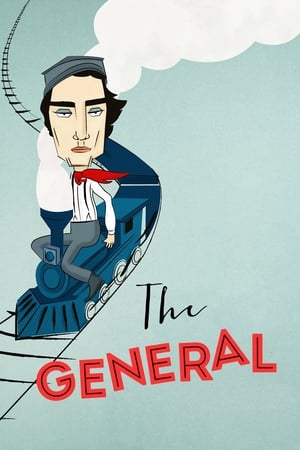
During America’s Civil War, Union spies steal engineer Johnnie Gray's beloved locomotive, 'The General'—with Johnnie's lady love aboard an attached boxcar—and he single-handedly must do all in his power to both get The General back and to rescue Annabelle.
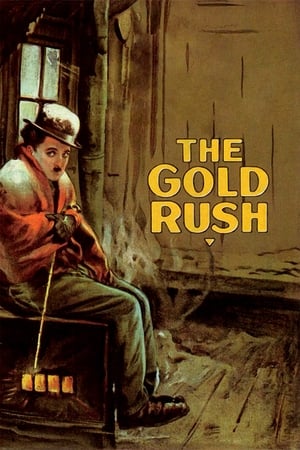
A gold prospector in Alaska struggles to survive the elements and win the heart of a dance hall girl.
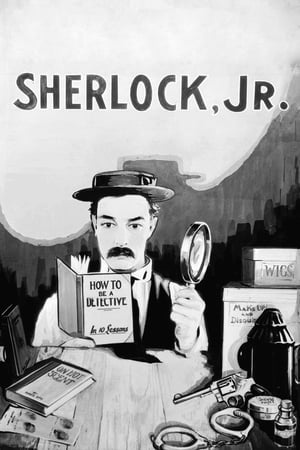
A film projectionist longs to be a detective, and puts his meager skills to work when he is framed by a rival for stealing his girlfriend's father's pocketwatch.
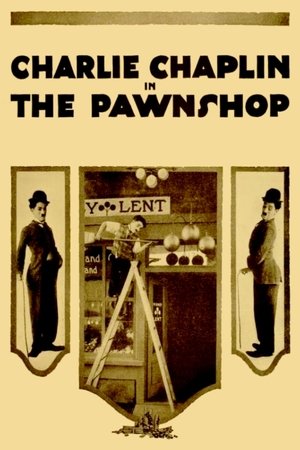
A pawnbroker's assistant deals with his grumpy boss, his annoying co-worker and some eccentric customers as he flirts with the pawnbroker's daughter, until a perfidious crook with bad intentions arrives at the pawnshop.
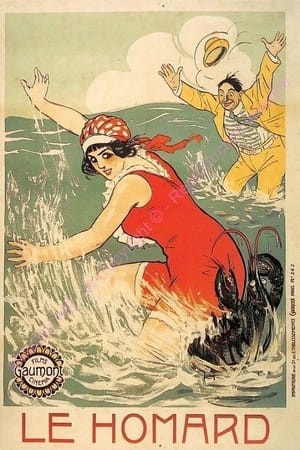
Le homard
Bébé a le béguin
The opening shows a colored nursemaid in the park with baby carriage, and seated on a bench receives the attention of several smart colored men who admire her greatly and endeavor to make her acquaintance. But the dusky belle is coy and declines to make the acquaintance of any of them, until one more fortunate than the rest is invited to a seat on the bench with her, and a most pronounced flirtation takes place between the lady and her beau. (Selig catalog)
Aspiring filmmakers Mel Funn, Marty Eggs and Dom Bell go to a financially troubled studio with an idea for a silent movie. In an effort to make the movie more marketable, they attempt to recruit a number of big name stars to appear, while the studio's creditors attempt to thwart them.
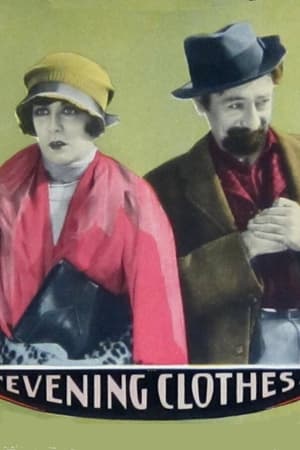
Attracted by his wealth, avaricious Germaine marries D'Artois, then leaves him for a more sophisticated man. D'Artois retaliates by moving to the city and learning the proper social graces. His new life style proves to be too expensive for him, and at the end he is left with nothing but one suit of evening clothes and his now contrite wife.
A silent amateur comedy about a Lebanese immigrant who returns home after trying his luck in the United States of America.