British intelligence undertook an audacious operation to listen in on the private conversations of 10,000 German prisoners of war without their ever knowing they were being overheard. The prisoners' unguarded reminiscences and unintentional confessions have only just come to light, and prove how closely the German army were involved in the atrocities of the Holocaust. British intelligence requisitioned three stately homes for this epic task, and converted each into an elaborate trap. The 100,000 hours of conversation they captured provided crucial intelligence that changed the course of the war, and revealed some of its worst horrors, from rape to mass executions to one of the earliest bulletins from the concentration camps. But when the fighting ended, the recordings were destroyed and the transcripts locked away for half a century. Only now have they been declassified, researched and cross-referenced.
After World War II, a woman refuses to believe her husband, missing on the Russian front, is dead. Flashbacks reveal their brief courtship and marriage. Years later, she travels to Russia with his photo, determined to find him. What will she discover?
In the years before World War II, a penniless Japanese child is torn from her family to work as a maid in a geisha house.
Two beautiful and different girls, Alice and Lisette are 17 years old, when forcibly removed from their Alsatian family to cooperate in the war effort in Germany. After spending six months in a indoctrination camp, they are both sent to a munitions factory where they are tasked to perform inhuman works. An explosion erupts, they are suspected of sabotage and threatened with being sent to a boot camp. Alice and Lisette believe they saved when transferred to a maternity where they continue living the hell of war.
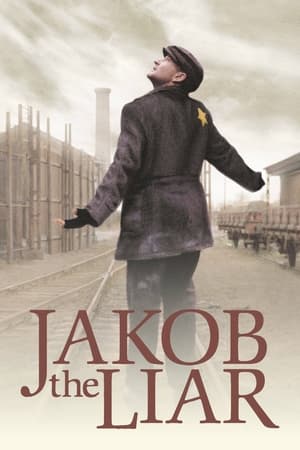
In 1944 Poland, a Jewish shop keeper named Jakob is summoned to ghetto headquarters after being caught out after curfew. While waiting for the German Kommondant, Jakob overhears a German radio broadcast about Russian troop movements. Returned to the ghetto, the shopkeeper shares his information with a friend and then rumors fly that there is a secret radio within the ghetto.
During World War II, young Rusty was sent to America for safety. It's now five years later and the spunky redhead returns to her native England. From the family she hardly remembers to snobby classmates and rule-filled boarding schools, Rusty must adapt to a whole new way of life.
A couple sets up an African game preserve, only to have British and Italian armies fight over the waterholes.
In the spring of 1944, in the Woëvre forest of Lorraine, a group of young maquisards takes in four German deserters. led by Saint-Brice is based in the Woevre forest. Lise, a nineteen-year-old girl, is their liaison officer. One evening, four German soldiers turn up as deserters. After a period of doubt, the maquisards agree to integrate them into their group. Lise falls in love with one of the newcomers, Werner, and becomes his mistress. One day, she leaves on a mission with Lucien, and comes across an enemy patrol. The SS shoot Lucien and free Lise. In the camp, people begin to think that the maquis has been betrayed.
Near the end of World War II, General Dietrich von Choltitz receives orders to burn down Paris if it becomes clear the Allies are going to invade, or if he's unable to maintain control of the city. After much contemplation, Choltitz ignores orders, enraging the Germans and giving hope to various resistance factions that the city will be liberated. Choltitz, alongside Swedish diplomat Raoul Nordling, helps a leader organise his forces.
Bodka v zemi
In 1930s Italy, a wealthy Jewish family tries to maintain their privileged lifestyle, hosting friends for tennis and parties at their villa. As anti-Semitism intensifies under Fascism, they must ultimately face the horrors of the Holocaust.
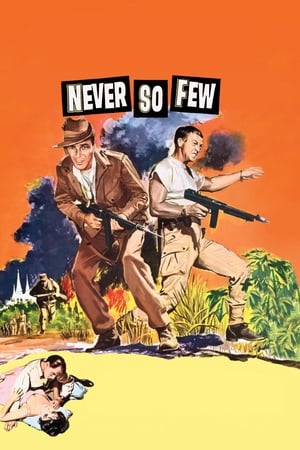
A U.S. military troop takes command of a band of Burmese guerillas during World War II.
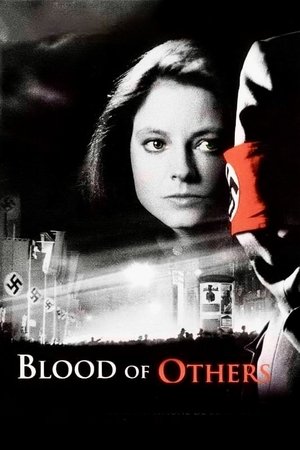
In the German-occupied Paris, Helene is torn between the love for her boyfriend Jean, working for the resistance and the German administrator Bergmann, who will do anything to gain her affection.
A Jewish woman named Jettel Redlich flees Nazi Germany with her daughter Regina, to join her husband, Walter, on a farm in Kenya. At first, Jettel refuses to adjust to her new circumstances, bringing with her a set of china dishes and an evening gown. While Regina adapts readily to this new world, forming a strong bond with her father's cook, an African named Owuor.
Based on a real-life story, this drama focuses on a small group of Allied soldiers in Burma who are held captive by the Japanese. Capt. Ernest Gordon, Lt. Jim Reardon and Maj. Ian Campbell are among the military officers kept imprisoned and routinely beaten and deprived of food. While Campbell wants to rebel and attempt an escape, Gordon tries to take a more stoic approach, an attitude that proves to be surprisingly resonant.
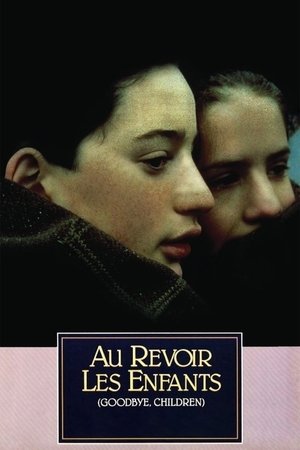
Au revoir les enfants tells a heartbreaking story of friendship and devastating loss concerning two boys living in Nazi-occupied France. At a provincial Catholic boarding school, the precocious youths enjoy true camaraderie—until a secret is revealed. Based on events from writer-director Malle’s own childhood, the film is a subtle, precisely observed tale of courage, cowardice, and tragic awakening.
War takes its cruel toll, which everyone must pay. It hits a small Slovak village especially hard, where the struggle for a bare life becomes a test of human character. For two impoverished friends, Jakub and Maja, struggling through poverty is more than difficult. Jakub delivers sour milk from somewhere on his cart to the entire village and lives in a dilapidated house with his sister Tereza, whose caregiver and guide through life is the experienced woman Mara, who provides herself with money from seduced soldiers. Maja, on the other hand, is a foundling and homeless man who does whatever he can to survive the next day. The only consolation for the two inseparable friends are the circulating tales of a kind of promised land, where there is no poverty or hunger, and where they could both go. Only this vision, this idea alone keeps the two of them and the rest of the village on their feet, and gives them hope for a better tomorrow.
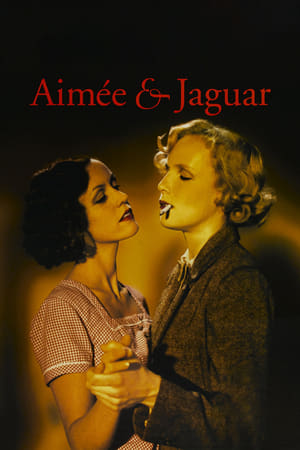
In 1943, while the Allies are bombing Berlin and the Gestapo is purging the capital of Jews, a dangerous love affair blossoms between two women – one a Jewish member of the underground, the other an exemplar of Nazi motherhood.
After his father is murdered by the Nazis in 1938, a young Viennese Jew named Ferry Tobler flees to Prague, where he joins forces with another expatriate and a sympathetic Czech relief worker. Together with other Jewish refugees, the three make their way to Paris, and, after spending time in a French prison camp, eventually escape to Marseille, from where they hope to sail to a safe port.
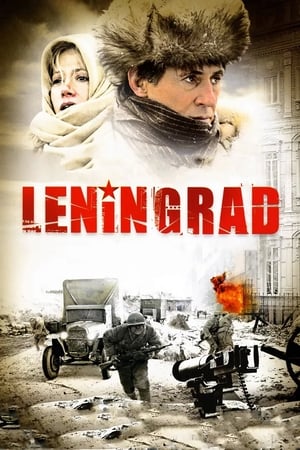
When in 1941 Nazi Germany invaded the Soviet Union, their troops quickly besieged Leningrad. Foreign journalists are evacuated but one of them, Kate Davies, is presumed dead and misses the plane. Alone in the city she is helped by Nina Tsvetnova a young and idealist police officer and together they will fight for their own survival and the survival of the people in the besieged Leningrad.