Daily spleen, drunkenness among friends, conversations and the passage of time: the video diaries composed by Lionel Soukaz chronicle the early 1990s, the comet tail of those never-ending winter years and the nightmare of the AIDS years. But edited thirty years later with Stéphane Gérard, they are also a tribute to Hervé Couergou, the beloved partner at the center of all the filmed scenes. Slowly, in conversations between couples and friends, the dandy spirit and intimate confession overlap. What emerges is a portrait of a way of dealing with the times and their pain, which, beneath the act of commemoration, seeks to inscribe a living presence.
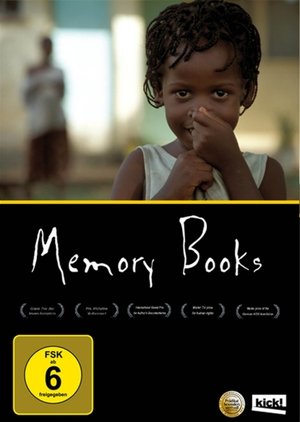
The story behind the Uganda-based YouTube dance sensations who have endured devastating personal loss from famine and war, and use the power of dance and song to overcome hardship.
German iconoclast filmmaker and gay-rights activist Rosa vonPraunheim examines his own life and career in the documentary Phooey Rosa! With a quickly paced editing style, the film is a mix of personal banter, candid interviews, and clips from his filmography. It also includes footage from his early film Bed Sausage to his later work Neurosia. At the age of 60, vonPraunheim reveals intimate details about his past relationships and his childhood growing up after WWII. He also implicates some of his friends and inspirations, including Luzi Kryn and Rainer Kranach.
One of the most controversial subjects of the 1980s, the AIDS epidemic ended thousands of lives across America. This video, entitled What is AIDS helps educate the youth of America about the deadly disease.
Narrated by Linda Hunt, this documentary examines the life of the late author and gay rights activist Paul Monette. Born in 1945 to a well-off Massachusetts family, Monette grows up unable to accept his homosexuality, for years hiding it from his loved ones while struggling to develop as a writer. In 1978, Monette publishes his first novel, which allows him to come out to his parents. After losing one lover to AIDS in 1986, he becomes a ferocious advocate for awareness of the disease.
Alvin Ailey was a visionary artist who found salvation through dance. Told in his own words and through the creation of a dance inspired by his life, this immersive portrait follows a man who, when confronted by a world that refused to embrace him, determined to build one that would.
At a time when French flags are being burned and French embassies targeted, this documentary delves into the growing disaffection between French-speaking Africa and the former colonial power. Through the voices of African leaders, pan-African activists, and committed young people, the film questions the persistence of a relationship marked by the aftermath of colonization, the opaque agreements of "Françafrique," and a military presence deemed paternalistic.
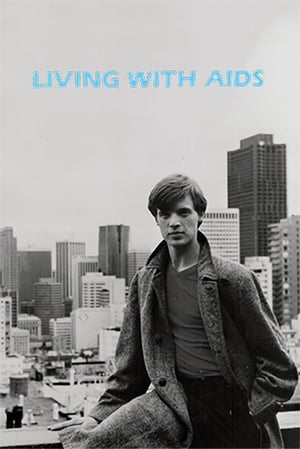
One of the earliest documentaries to deal with AIDS.
Freedom Uncut chronicles the tumultuous — yet creatively fruitful — period of George Michael’s life and career following the release of his 1987 solo debut, Faith, then through the creation and release of his 1990 follow-up Listen Without Prejudice, Vol. 1. Along with documenting his creative efforts during this period, the doc will also explore his relationship with Anselmo Feleppa — who died from AIDS-related complications — as well as the death of Michael’s mother.
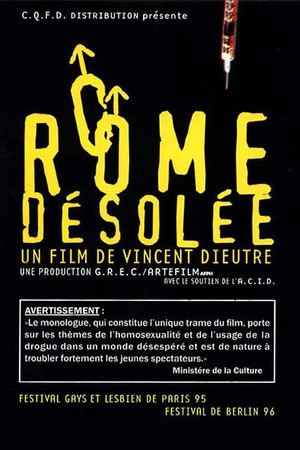
Chronicles of a male homosexual drug addict in 1980's in voice-over with long take scenes from Rome, television snippets of news of Gulf War and commercials.
A moving personal documentary about Danny, a friend of Kybartas who died of an AIDS-related illness in 1986. This powerful work explores the reason for Danny’s return home and his attempts to reconcile his relationship with his family members who had difficulty facing his homosexuality and his imminent death.
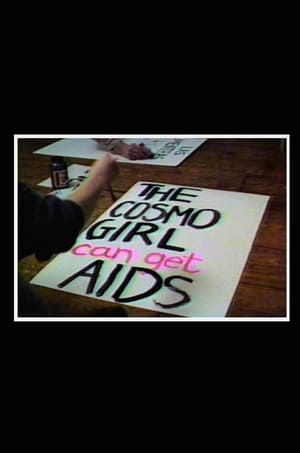
Outraged by the controversial January, 1988 article in Cosmopolitan magazine, the women in the AIDS Coalition to Unleash Power, (Act Up, New York), organized the first AIDS demonstration focused on women. Doctors, Liars and Women:AIDS Activists Say No To Cosmo not only documents the efforts of the Women's Committee to organize this protest, it also serves as a how-to-guide for direct action.
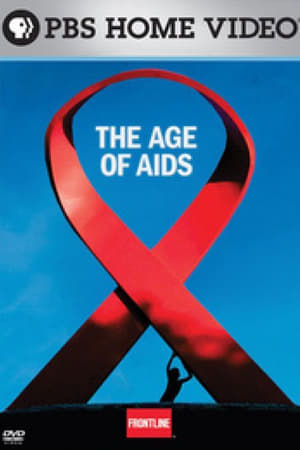
After a quarter-century of political denial and social stigma, of stunning scientific breakthroughs, bitter policy battles and inadequate prevention campaigns, HIV/AIDS continues to spread rapidly throughout much of the world. Through interviews with AIDS researchers, world leaders, activists, and patients, FRONTLINE investigates the science, politics, and human cost of this fateful disease and asks: What are the lessons of the past, and what can be done to stop AIDS?
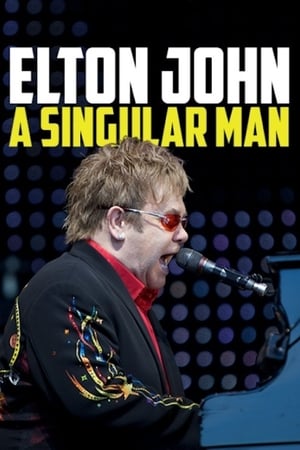
An in-depth portrait of British composer, pianist and singer Elton John, pop star and myth of modern culture.
Where does voguing come from, and what, exactly, is throwing shade? This landmark documentary provides a vibrant snapshot of the 1980s through the eyes of New York City's African American and Latinx Harlem drag-ball scene. Made over seven years, PARIS IS BURNING offers an intimate portrait of rival fashion "houses," from fierce contests for trophies to house mothers offering sustenance in a world rampant with homophobia, transphobia, racism, AIDS, and poverty. Featuring legendary voguers, drag queens, and trans women — including Willi Ninja, Pepper LaBeija, Dorian Corey, and Venus Xtravaganza.
Through interviews with key AIDS Healthcare Foundation (AHF) stakeholders from over the years coupled with archival video footage culled from AHF's 30 years of advocacy, care and activism, 'Keeping the Promise' tells a compelling story of AHF's history while offering a glimpse of, and road map to its future.
The story of musician Thomas Muchimba Buttenschøn - born HIV+ in 1985 - and his crusade to use his music to wipe out AIDS in his native Zambia and beyond.
Women who are HIV-positive discuss how they "came out" about their infection and became politically active.
Stiff Sheets indicts public health officials and politicians for the lack of adequate and humane care for people with AIDS in Los Angeles, this time documenting a mock fashion show staged by ACT UP activists.
As a child, Michael Stock was sexually abused - by his own father. 25 years later he is still looking for inner peace. In conversations with his family and friends and his own reflections, he paints an ever clearer, if contradictory picture of what happened and of the consequences for each of the family members. Old family films seem to show a happy family - excerpts from Michael's first feature film hint at his extreme adult life, overshadowed by his lifelong trauma. Yet in spite of the intense drama, the film doesn't have an atmosphere of anger and hatred but rather a surprising air of hope and love of life. Michael's aim is not to accuse the "perpetrator" but to understand. In the end, he takes his video "Postcard" to his father. With the camera running, he confronts him with his past.