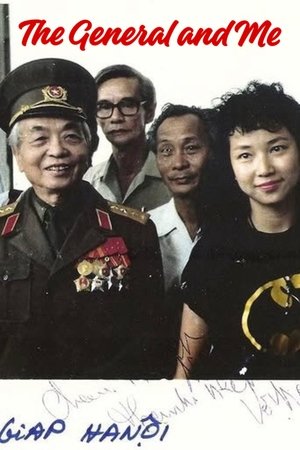
Over the period of 25 years the director met General Võ Nguyên Giáp, a legendary hero of Vietnam’s independence wars, a number of times. She was the first American who entered the home of the “Red Napoleon”. The fruit of this friendship is a film, personal and politically involved at the same time. Travelling across the country and talking to important figures as well as ordinary people, the director finds out more about her roots and offers the audience a unique perspective on Vietnam’s present and past.
A German Documentary about the “village of friendship” that was created by American Veteran George Mizo to help the Vietnamese kids suffering from the Vietnam War.
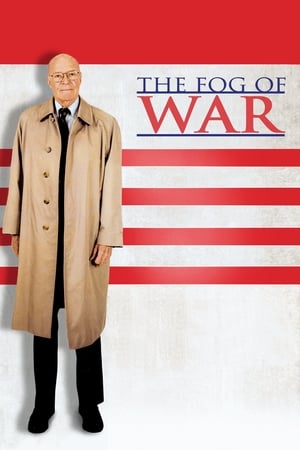
Former corporate whiz kid Robert McNamara was the controversial Secretary of Defense in the Kennedy and Johnson administrations, during the height of the Vietnam War. Augmented by archival footage and cabinet conversation recordings, Errol Morris gives the conflicted McNamara a platform on which he attempts to confront his and the U.S. government's actions in Southeast Asia in light of the horrors of modern warfare, the end of ideology and the punitive judgment of history.
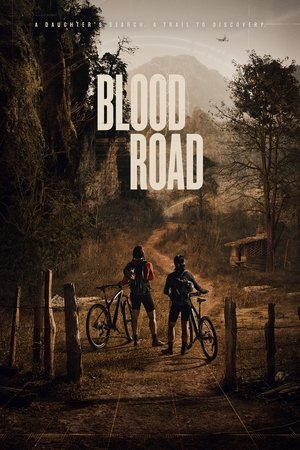
Follows the journey of ultra-endurance mountain bike athlete Rebecca Rusch and her Vietnamese riding partner, Huyen Nguyen, as they pedal 1,200 arduous miles along the infamous Ho Chi Minh Trail through the dense jungles of Vietnam, Laos, and Cambodia. Their goal: to reach the newly discovered crash site and final resting place of Rebecca’s father, a US Air Force pilot shot down over Laos some 40 years earlier.
A US Air Force produced film that follows a group of F-105 pilots as they pass their hundredth mission during the Vietnam War.
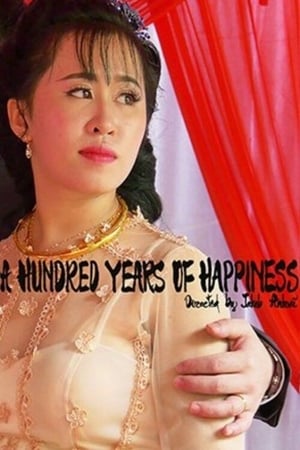
A Hundred Years of Happiness; an observational documentary, is a personal portraiture of a Vietnamese farming family and their daughter Tram. While her father instils in her the importance of familial obligation to care for one’s ageing parents, her mother desires a secure future devoid of economic hardship. Determined to fulfil both her parent’s wishes, Tram pursues a new life in South Korea as a migrant bride, but her fast-tracked journey leaves little time for reflection.
1954, La fin d'un monde
Both sober and sobering, producer-director Emile de Antonio’s In the Year of the Pig is a powerful and, no doubt for many, controversial documentary about the Vietnam War.
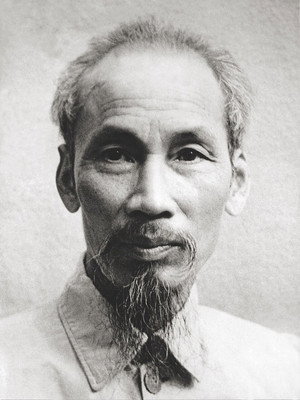
Ho Chi Minh spent decades trying to lead Vietnam to independence. In the summer of 1966, the United States found itself in a war it couldn't win, against an enemy it didn't understand. For the Americans, it was a war against Communism. But for the Vietnamese, it was a war to break free from centuries of foreign oppression. At this pivotal moment in their history, they were led by one man who would stop at nothing to free his people. They called him Uncle Ho. To the rest of the world, he was Ho Chi Minh. Millions of Vietnamese would pay the price for Ho Chi Minh's vision of a free Vietnam. A vision that was as bold as it was unbreakable.
Adventurer and journalist Simon Reeve heads to Vietnam to uncover the stories behind the nation's morning pick-me-up. While we drink millions of cups of the stuff each week, how many of us know where our coffee actually comes from?
Sand is the second-most exploited resource in the world. In Southeast Asia, escalating demand fuels an opaque trade. Hourglass, an immersive documentary short, juxtaposes Singapore's ever-rising skylines to the sinking shores of Vietnam's Mekong Delta, creating an unsettling portrait of an urgent crisis carrying profound human costs.
Abenteuer Vietnam
She was born in a cave, more than 60 years ago. Now she lives in a village, with many children and grandchildren to look after. Sometimes, she dreams of her dead mother calling her home – to the cave.
An anti-war film about the personal suffering behind the hard statistics, which show that more than four million Vietnamese died during the Vietnam War, as opposed to 58,000 Americans. We hear South and North Vietnamese, including émigrés to the United States, describing how huge numbers of friends met their deaths, caught as they were between government forces, the Vietcong, and the Americans; how political boundaries divided not only the country, but also families; how mothers deserted their children because their fathers were American soldiers; and how the war cruelly lingers on long after hostilities ceased, in the lives of children born crippled by chemical weapons.
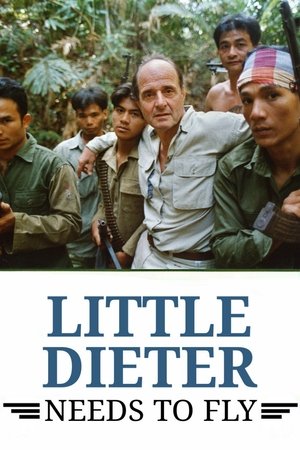
Three decades after German-American pilot Dieter Dengler was shot down over Laos, he returns to the places where he was held prisoner during the early years of the Vietnam War. Accompanied by director Werner Herzog, Dengler describes in unusually candid detail his captivity, the friendships he made, and his daring escape. Not willing to stop there, Herzog even persuades his subject to re-enact certain tortures, with the help of some willing local villagers.
A Hmong guide's daily life in the mountains of Sapa, North Vietnam.
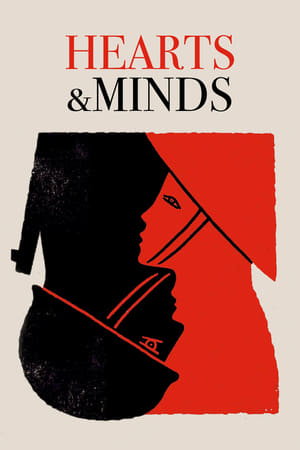
Many times during his presidency, Lyndon B. Johnson said that ultimate victory in the Vietnam War depended upon the U.S. military winning the "hearts and minds" of the Vietnamese people. Filmmaker Peter Davis uses Johnson's phrase in an ironic context in this anti-war documentary, filmed and released while the Vietnam War was still under way, juxtaposing interviews with military figures like U.S. Army Chief of Staff William C. Westmoreland with shocking scenes of violence and brutality.
In Saigon, family culture carries on as it has for centuries, even when blood ties are broken. Through a mosaic of intimate portraits, Má Sài Gòn explores humanity’s universal desire for love, acceptance, connection and belonging through an LGBTQ+ lens. The film is a love letter – a bittersweet ode to a comforting yet disturbing mother, to a city that is as liberating as it is oppressive.
A political portrait of Ho Chi Minh, tracing his revolutionary journey, his commitment to Vietnamese independence, and his role in the struggle for the reunification of Vietnam. The documentary examines the ideas, political influences, and historical events that shaped Ho Chi Minh as a revolutionary leader and explores his place within the wider history of anti-colonialism and communism.
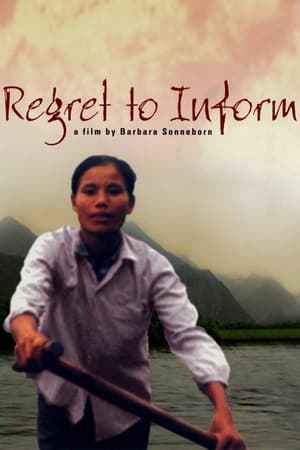
In this film made over ten years, filmmaker Barbara Sonneborn goes on a pilgrimage to the Vietnamese countryside where her husband was killed. She and translator (and fellow war widow) Xuan Ngoc Nguyen explore the meaning of war and loss on a human level. The film weaves interviews with Vietnamese and American widows into a vivid testament to the legacy of war.