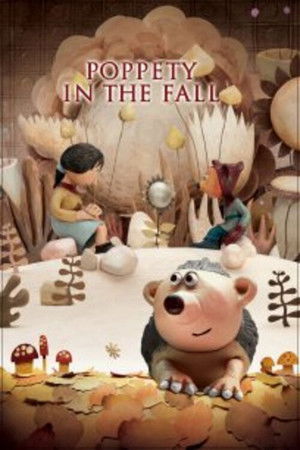
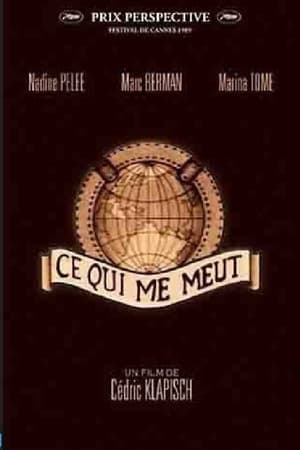
In this animated short, a terrible curse deprives Balthasar's kingdom of its stories. Taking the unicorn's horn back into The Belly of the Earth is the solution. Poppety will lead an expedition, by chance uncovering a hitherto closely guarded family secret.
Fairground boxing booth where visitors try to knock out the champion and win five pounds, the first contestants is knocked out but the very eager (and possibly drunk) third man knocks out the champion and overcome with "boxing fever" rushes out punching at everybody and everything he meets. (britishpathe.com)
Each time Mrs Babylas sees an animal, she just can't help herself bring it back home.
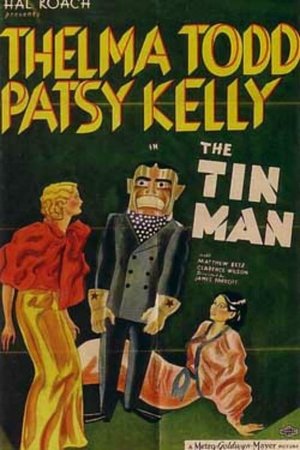
Thelma and Patsy find themselves in a spooky house inhabited by a nut who is a mechanical genius and has made a robot who does everything. The inventor manipulates the robot's control board from a hidden room. The girls are soon in a panic. Patsy gets into an argument with the robot and loses the match of wits. Blackie Burke, an escaped convict, is using the house as a hideout, and this adds to the problems the girls already have.
One of the two earliest horror films ever made. This film is presumed lost. In this black comedy scene, the bottom falls out of a coffin, the corpse tumble out, and is jolted back to life. Short sequences like this, as well as street scenes and dancing geisha girls were the main subjects of early Nippon cinema, pioneered by Shiro Asano and Shibata Tsunekichi from 1897 onwards. In creating dramatic, scenes, film-makers naturally chose the most striking or bizarre. Another undocumented film, recalled by cameraman Shiro Asano.
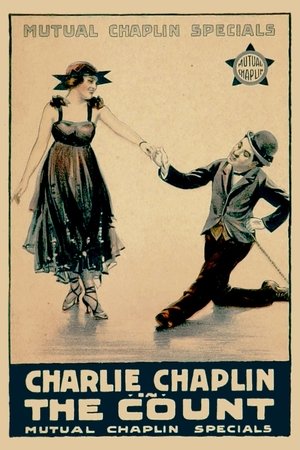
A girl has to decide who to marry: a poor country boy or a rich nightclub owner.
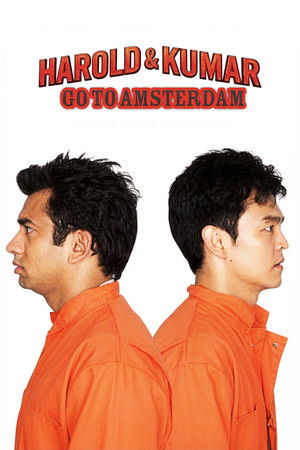
Ever wonder what would have happened if Harold & Kumar had not been sent to Guantanamo and simply made it to Amsterdam? Here's a little something director Jon Hurwitz shot guerrilla-style all over Amsterdam in 3 days.
A deer, disillusioned by the consumerism that defines his life. A lizard, ostracized from society, forever wandering. A chance meeting in the middle of a field. Who will survive? And who will transcend existence? Preserved by the Academy Film Archive in 2009.
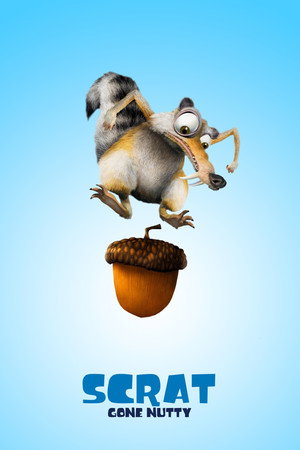
Sid the Sloth takes a school of children out on a camping trip from home, only to find that in typical Sid style, he is not a very good guide and the children he takes with him don't have a very good time.
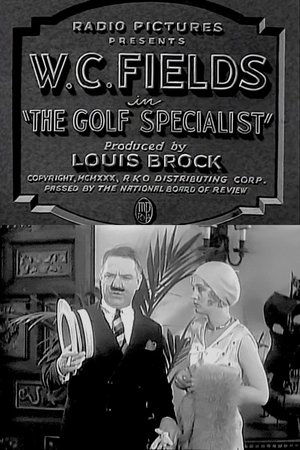
Bernie Cates requests the services of the most absent-minded waiter he's ever seen, who pours water before setting the glasses, endlessly repeats questions, brings wrong orders, and ruins everything- but the bill.
It's a classic boy-meets-girl story, boy-loses-girl, boy gets mistaken for an escaped convict and ruthlessly chased by armies of cops across the countryside in a thrill-packed stunt-addled climax.
With script and direction by Pablo Villaça and starring the comedian Geraldo Magela, Morte Cega has as main character a failed filmmaker named Francis (Maurício Canguçu, producer and one of the main actors of the theatrical success "Believe, a Spirit Downloaded Me"). One night, Francis has a frightening dream about Magela, known throughout the country for playing the character O Ceguinho. Determined to make a short film based on this dream, Francis uses his producer friend, Martinho (Carlos Magno Ribeiro, who acted in Villaça's first short, A_ética), to get to the comedian. From then on, the meeting brings unexpected results for everyone involved.
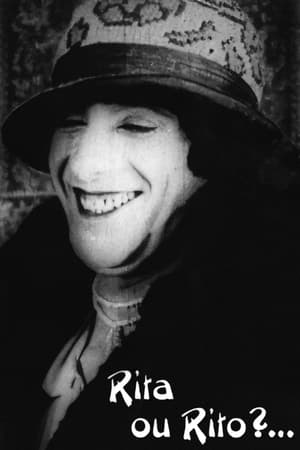
Peixe-de-Espada (literally, sword-fish), a retired Army colonel, his wife and nubile daughter are spending their holidays at the Palace Hotel, in the company of a lady doctor, Doctor Pilulas (literally, pills). He tells tall-tales of his African adventures, and she finds ways to promote the excellency of the pills of her own fabrication. To spend some time with Gabriela, his girlfriend, Rito appears disguised as a woman, pretending to be the new post-office operator. Desguises will come and go, and all ends well after a turmoil of twisted plots.
Sleepwalking and supernatural adventures, inspired by American farces.
A homeless bum, bored of eating the same food every night, promises his girlfriend a special dinner. He plans to take her out with money robbed from a passing stranger. But the bum’s in for a surprise when the man he targets for his mugging turns out to have special – and hilarious – powers.
La Guerre des Romands
A tall, shy and reserved young actor accidentally signs himself up for a wrestling match.
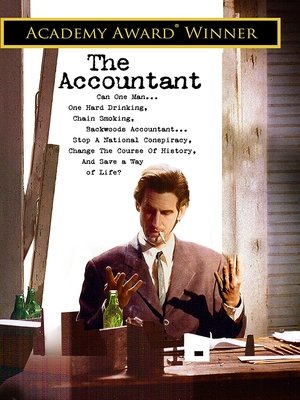
Scene 23, Slow pan The wind whistles over the dykes of the Willebroek Canal. Armand sighs. The viewer should feel goose bumps under their thick sweater. Make it clear that at this moment, Armand is craving a cup of Borain coffee. Scene 456, Armand's farm Armand puts down his coffee cup. Through the window, he sees a beautiful Romanian refugee with AIDS playing the cello in the beet field. Behind Armand, his wife, a former RTBF announcer, commits suicide by hitting herself with hot potatoes. Scene 2,347, sublime landscape of Flanders Armand can't take it anymore: will he choose the position of deputy for the Vlaamse Blok or that of puppeteer subsidized by the CUCF? No one can say.
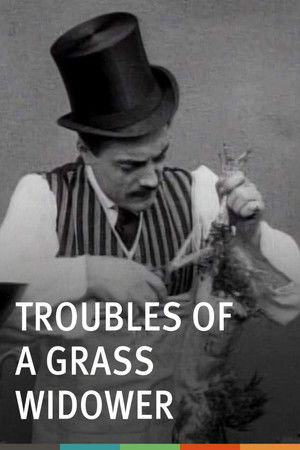
A housewife tires of her husband's annoying behavior and returns to her mother. At first, the husband is quite pleased to have the house all to himself. But he quickly discovers that even the most basic domestic chores can be fraught with difficulty.
The hilarious story of a restless young farm-thumb, Loke Groundrunner, and his tasty companion, Princess Bunhead, who go on an quest to combat Black Helmet Man and the Evil Thumbpire. This is the first film of the hilarious 'Thumbs!' franchise.