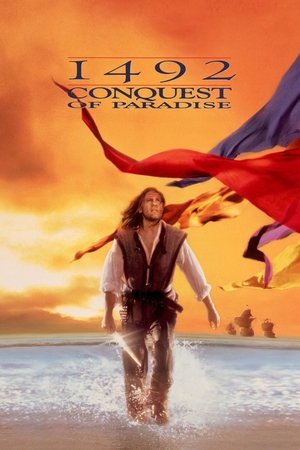
1492: Conquest of Paradise depicts Christopher Columbus’ discovery of The New World and his effect on the indigenous people.
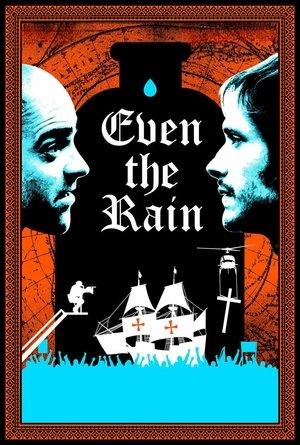
As a director and his crew shoot a controversial film about Christopher Columbus in Cochabamba, Bolivia, local people rise up against plans to privatize the water supply.
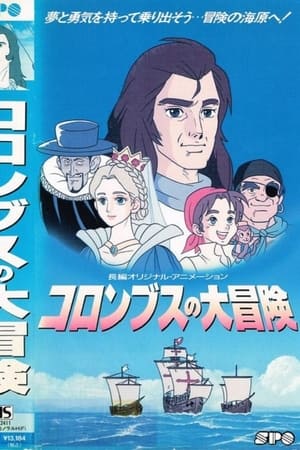
As he nears the New World, Christopher Columbus tells cabin boy Paco about his youthful hardships, the difficulties of convincing others of his vision, and the final victory when King Ferdinand and Queen Isabella agreed to sponsor his trip. The sailors are doubtful, though Columbus is vindicated when they arrive on land, but it's not as the planned destination of Japan.
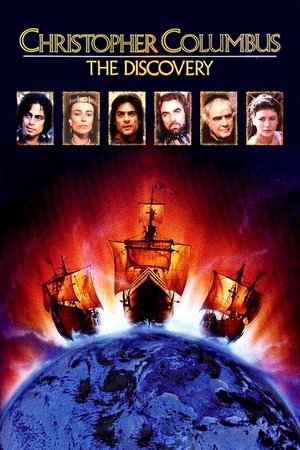
Genoan navigator Christopher Columbus has a dream to find an alternative route to sail to the Indies, by traveling west instead of east, across the unchartered Ocean sea. After failing to find backing from the Portugese, he goes to the Spanish court to ask Queen Isabella and King Ferdinand for help. After surviving a grilling from the Head of the Spanish Inquisition Tomas de Torquemada, he eventually gets the blessing from Queen Isabella and sets sail in three ships to travel into the unknown. Along the way he must deal with sabotage from Portugese spies and mutiny from a rebellious crew.
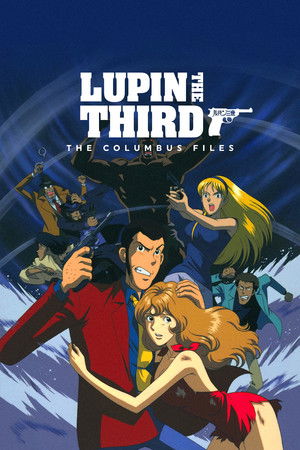
When Fujiko secures a file that documents the location of the fabled Columbus Egg – a mystical relic that controls the weather – she quickly recruits Lupin and the gang to track down the long-lost treasure. Unfortunately, her memory of Lupin and his friends are wiped out almost entirely. Can the gang restore Fujiko’s memory before the Egg falls into the hands of a madman?
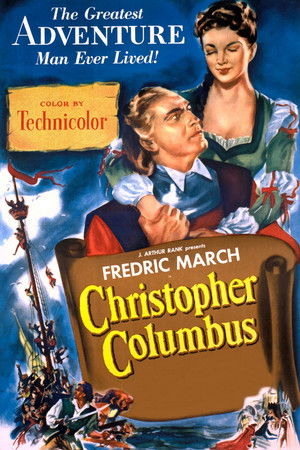
Christopher Columbus overcomes intrigue at the Spanish court and convinces Queen Isabella that his plan to reach the East by sailing west is practical.
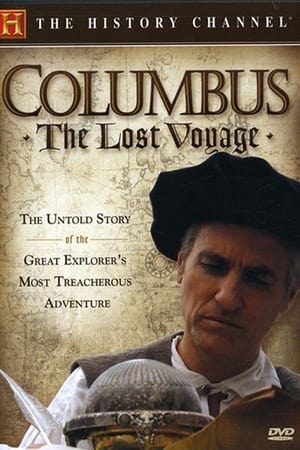
Columbus' 4th voyage has been a total failure: he has not found the westward passage, he has no gold to show, he has lost men and ships and his efforts to build a colony have fallen through. The monarchs of Spain are not going to restore the rights and privileges which were taken away from Columbus after the first voyage. And Columbus will be shamed. Many of his sailors who have survived, can't face the journey home. They will choose to remain on Hispaniola or neighbouring Puerto Rico.
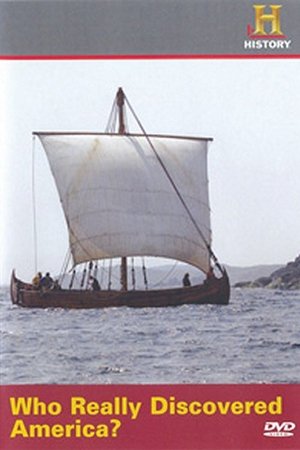
Examining theories about the discovery of America long before Christopher Columbus' 1492 voyage by explorers from such places as China, Japan, Wales and Ireland.
Speculative historical essay defending the theory, sustained by Spanish historian Celso García de la Riega (1844-1914) and his followers, that the famous explorer Christopher Columbus (1451-1506) was born in a small village near the city of Pontevedra, in the region of Galicia, Spain. (A new version was released in 1930.)
Christopher Columbus believes he can find an alternative route to the far East and persuades the King and Queen of Spain to finance his expedition...
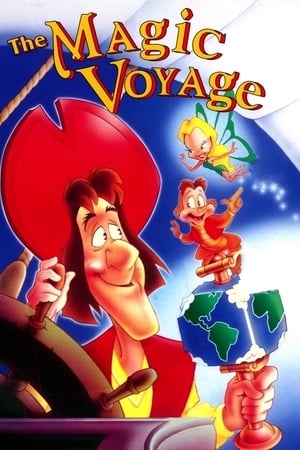
Christopher Columbus decides to go on a journey to prove that the Earth is not flat. His companion is a smart wood worm who's on a quest of his own: to save a beautiful fairy princess from the evil lord Swarm and his insect army.
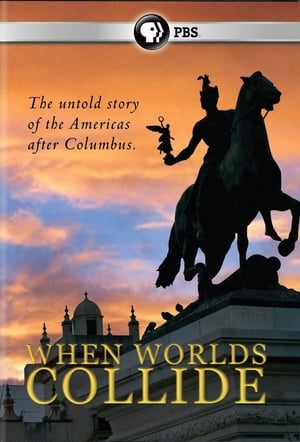
When Worlds Collide is a highly imaginative exploration of one of the most intriguing epochs in human history: when the "Old World" first encountered the "New World." Travel from Granada in Spain to Machu Picchu in Peru; and from Mexico to Madrid in Spain. When Worlds Collide explores how the collision of these two sophisticated but different worlds led to the birth of an entirely new Latino culture.
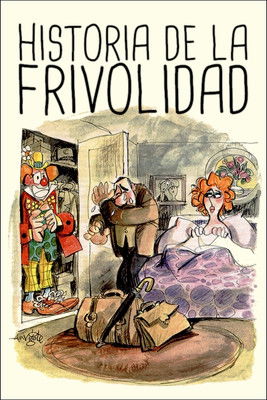
The Lecturer, leader of the Feminine League Against Frivolity, tells the history of eroticism and censorship from the beginning of time until the late 1960s.
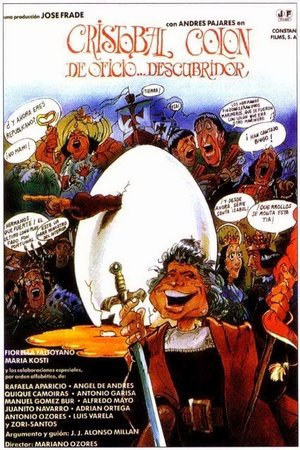
Cristóbal Colón, de oficio... descubridor
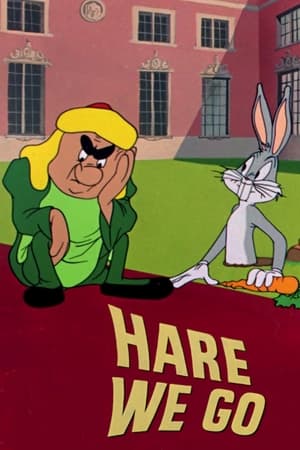
In 1492, Bugs Bunny sails the ocean blue, as mascot for Christopher Columbus.
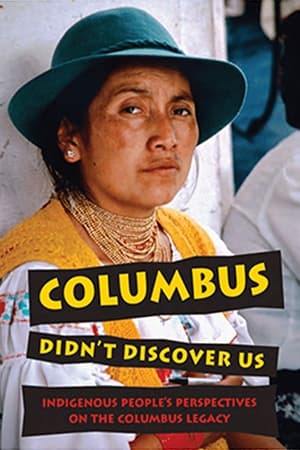
The historic gathering of three hundred indigenous activists from North, South and Central America who met in Quito, Ecuador, in July 1990 to organize a cross-continental indigenous resistance to the Columbus Quincentennial.
A story about a launch of one of the first "Vostok" space ships in 1960.
Simple school teachers Koh Young-woo and Choi Il-yeop love each other and do their best to teach the illiterate. However, he is despised by the village elders. Seeing that their will does not waver at all, the village elders understand and cooperate.
The film takes place during work on the water reservoir, outside Beijing's Ming Tombs, in 1958 at the beginning of the Great Leap Forward. The film follows how workers and leaders are working together to get it done. The film's final 25 minutes is a future interpretation of how it will look like 20 years after it has been completed with the water reservoir.
A group of German boys are ordered to protect a small bridge in their home village during the waning months of the second world war. Truckloads of defeated, cynical Wehrmacht soldiers flee the approaching American troops, but the boys, full of enthusiasm for the "blood and honor" Nazi ideology, stay to defend the useless bridge. The film is based on a West German anti-war novel of the same name, written by Gregor Dorfmeister.