Zeit der Fische
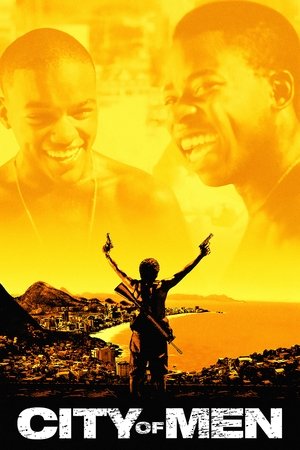
Best buddies Acerola and Laranjinha, about to turn 18, discover things about their missing fathers' pasts which will shatter their solid friendship, in the middle of a war between rival drug gangs from Rio's favelas.
Two rival teen gangs are at odds with each other. When Num's mom is killed by a member of the All Day gang, he joins the rival gang to enact revenge.
Freedom is the most important asset in a democracy. But freedom also means tolerance towards other ways of thinking. From distance to closeness The film plays. We follow the protagonist on her way to work, literally on her foot, until the surprising end. A virtuoso combination of the linguistic with the original visual level, the play with conventions that leads to an unexpected conclusion. The film addresses an important, highly topical theme - diversity. It wants to and is intended to initiate debate. Among other things, it deals with prejudices in religious views of life.
A gang of six wealthy, well-dressed and well-spoken hoodlums break into a married couple's house and rape the wife while forcing the husband to watch. Thus begins a dogged investigation by a determined detective who quickly finds that their cult-like solidarity can be a serious obstacle to breaking them.
A young idealist has his faith in his own character and his ideals tested after a traumatic experience.
Members of a teenage gang are sent to the State Reformatory, presided over by the callous Thompson. Soon Patsy Gargan, a former gangster appointed Deputy Commissioner, arrives and takes over the administration to run the place on radical principles. Thompson needs a quick way to discredit him.
An orphan endures a harsh life in a workhouse before fleeing to London, where he falls in with a gang of juvenile pickpockets led by the criminal Fagin, and eventually finds a better life, exposing the cruelties of poverty and child labor in Victorian England.
A German scientist murders his fiancée during World War II when he learns that she has been selling the results of his secret research to the enemy.
After failing to make it big as a rock band, four Indian Americans in 1960s San Francisco attempt one last rebrand to ride the hippie wave and finally get their big break.
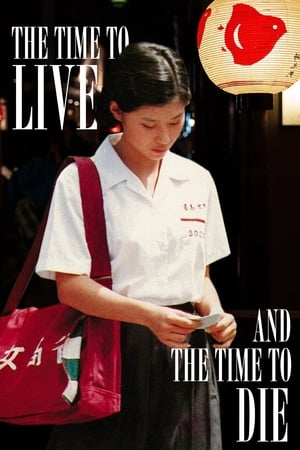
An autobiographical film based on Taiwanese director Hou Hsiao-hsien's memories of his youth growing up in Taiwan after emigrating from mainland China.
The Listener
A haunted woman named Ida journeys from Germany to Jordan, to an eerie and deserted port town on the Red Sea where her partner, Ismail, recently disappeared. Wandering through desolate bars, hotels, and offices, Ida attempts to feel Ismail’s presence one last time and to say goodbye.
Waiting for the train that will take him away, a man goes back over moments of his small-town upbringing: the relationship with his family, his involvement in the protests of 1968 and a childhood friend died too soon.
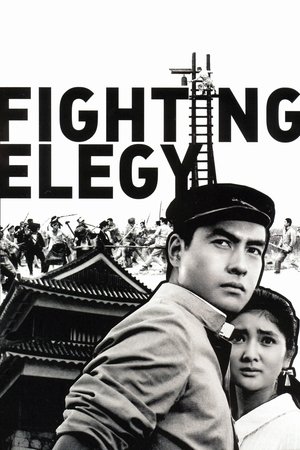
Kiroku boards with a Roman Catholic family and falls for the daughter Michiko. He ignores his feelings, joins a gang, gets in fights and, eventually, becomes involved with the radical Kita Ikki group.
The film opens with a monologue by a year five pupil who goes to primary school in the city of Rishon LeZion, outside Tel Aviv. He addresses the camera and a recent incident that happened in class, which helped his fellow pupils and himself learn how to better treat “new kids and new people.” Thus begins the story of Maya Kajinowski, who arrives at the school as part of the tidal wave of mass Jewish migration to Israel, following the collapse of the Soviet Union in the early ‘90s. Maya struggles to integrate and assimilate, as the native children continue to tease her, relentlessly, for her accent and looks, and flat out refuse to sit next to her. When the bullying and humiliation reach their nastiest peak, after which the children’s treatment of Maya finally starts to change, Maya too turns a corner and goes from the new immigrant and perennial outsider to a student, just like everyone else.
Two school friends who have drifted apart over the course of adulthood spontaneously arrange to have dinner together. What starts off as an innocent attempt to get back in touch develops into a renegotiation of their shared past, estranged relationship and lost future.
A German tourist who gained fame in the 1970s after becoming lost in America and a washed-up one-hit-wonder indie rocker are connected across history by feelings of having already peaked.
A Vietnamese immigrant mother and daughter in the US argue over how to honor the late patriarch as they shop for his second death anniversary, and inadvertently involve a handsome stranger at the local Asian supermarket.
This 1979 documentary depicts the daily life of gangs in the South Bronx. It deals primarily with two African American and Puerto Rican gangs known as the "Savage Skulls" and the "Savage Nomads".