Inspired by the It Gets Better Project this documentary film follows the stories of three real-life subjects who are at unique impasses related to their identities as gay or transgender people.
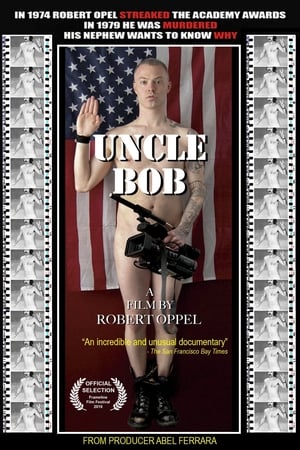
Robert Oppel's documentary about the life and murder of his uncle and namesake, Robert Opel, the man who streaked the Academy Awards in 1974.
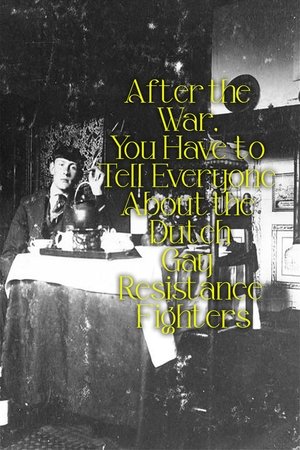
Many members of the Dutch Underground were gay and lesbian. This film pays homage to them and recounts their story.
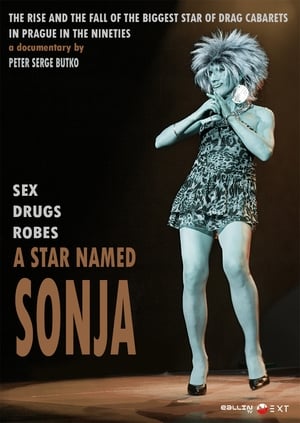
The rise and fall of the biggest star of travesty show in Prague in the nineties. The film tells the story of a man with shocking sincerity and openness in confession of two different personalities, woman and man living in one body.
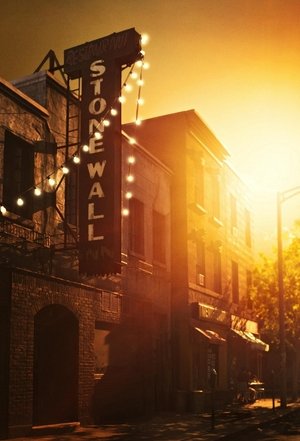
Kicked out by his parents, a gay teenager leaves small-town Indiana for New York's Greenwich Village, where growing discrimination against the gay community leads to riots on June 28, 1969.
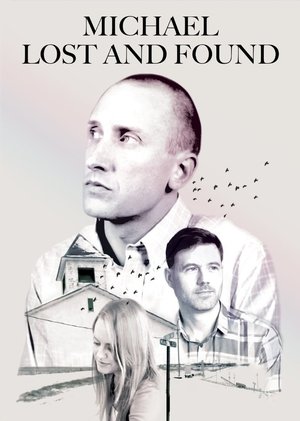
When a feature film is made about them seven years after their break-up, Benjie Nycum visits his ex-boyfriend Michael Glatze and finally tries to get answers about his bewildering shift from gay activist to ex-gay evangelical.
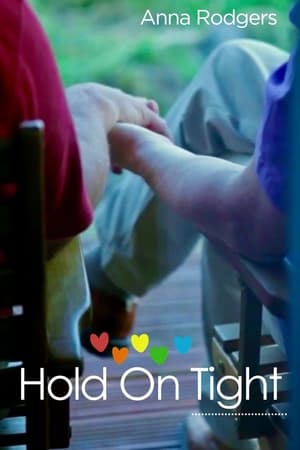
A short documentary exploring the ways LGBT couples show affection, and how small interactions like holding hands in public can carry, not only huge personal significance, but also the power to create social change.
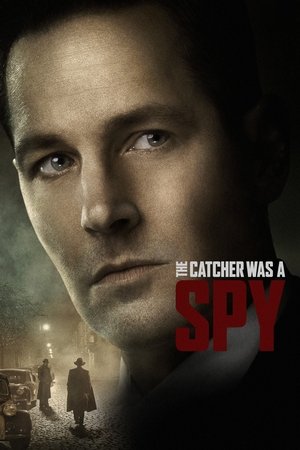
Former major league baseball player Moe Berg lives a double life working for the Office of Strategic Services in World War II Europe.
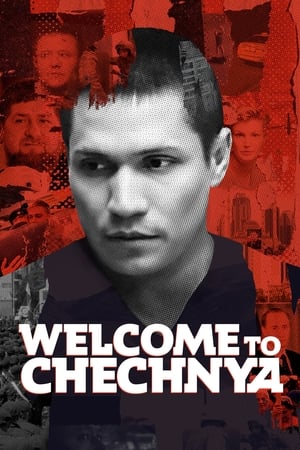
This searing investigative work shadows a group of activists risking unimaginable peril to confront the ongoing anti-LGBTQ program raging in the repressive and closed Russian republic. Unfettered access and a remarkable approach to protecting anonymity exposes this under-reported atrocity–and an extraordinary group of people confronting evil.
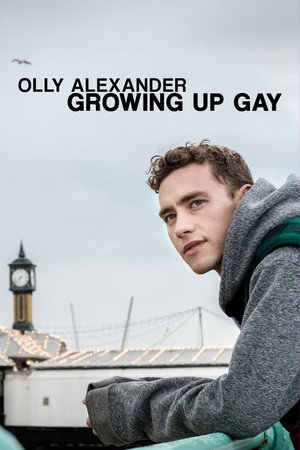
Olly Alexander explores why Britain's LGBT+ community is more vulnerable to mental health issues and what can be done, as he meets young gay people battling with bullying, eating disorders and addiction, and opens up about his own depression.
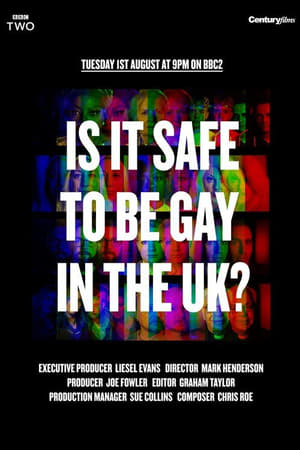
Fifty years on from the partial decriminalisation of homosexuality in the UK, this BBC Two documentary explores how safe it is to be gay in Britain today. With homophobic hate crime on the rise, this film takes a 360 degree look at the issue, hearing from the victims, their families and the police. What makes someone attack another person because of their sexuality? How do victims deal with these unsolicited and unprovoked assaults? And what are we doing about this in Britain in 2017?
Look around. Everything you see and touch can taste like vanilla.
Coming out is a difficult experience for all of us. A personal story.
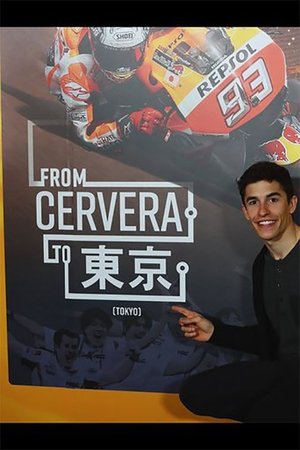
Marc Márquez: De Cervera A Tokio
Filmmaker Jonathan Caouette's documentary on growing up with his schizophrenic mother -- a mixture of snapshots, Super-8, answering machine messages, video diaries, early short films, and more -- culled from 19 years of his life.
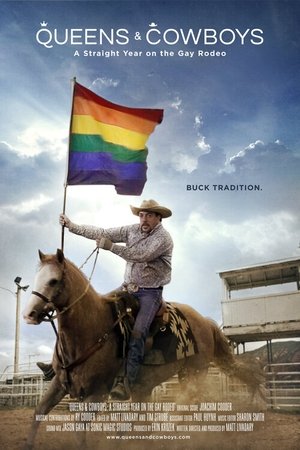
A feature film that chronicles a complete season of the International Gay Rodeo Association. Roping and riding across north America for the past 30 years, the IGRA's courageous cowboys and cowgirls brave challenges both in and out of the arena on their quest to qualify for the World Finals at the end of the season. And along the way, they'll bust every stereotype in the book.
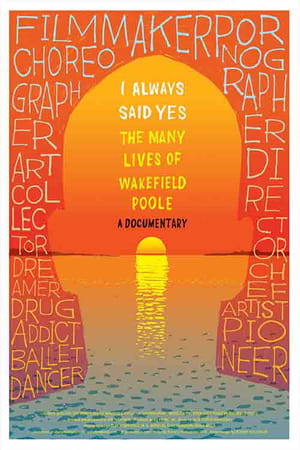
I Always Said Yes is a portrait of pioneering filmmaker Wakefield Poole, whose careers as dancer, choreographer, and director spanned the golden years of Broadway, television, porno chic, and gay liberation.
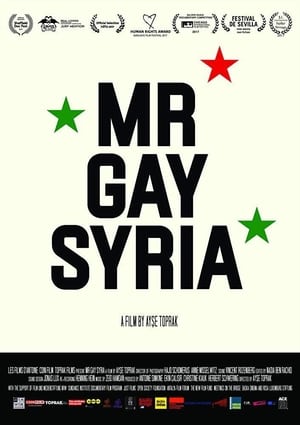
In focusing his attention on the competitors of Mr Gay Syria, director Ayse Toprak shatters the one-dimensional meaning of “refugee”. Using the pageant as a means of escape from political persecution, the organiser Mahmoud — already given asylum in Berlin — hopes to offer the winner a chance to travel as well as bring international attention to the life-threatening situations faced by LGBT Syrians.
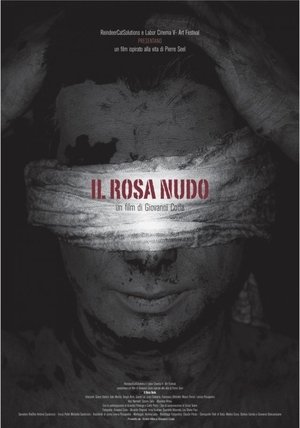
Among the millions of victims of the Nazi madness during the Second World War, Pierre Seel was charged with homosexuality and imprisoned in the Schirmeck concentration camp. He survived this terrifying experience of torture and humiliation, and after the war he married, had three children, and tried to live a normal life. In 1982, however, he came to terms with his past and his true nature and decided to publicly reveal what he and thousands of other homosexuals branded with the Pink Triangle had undergone during the Nazi regime. Il Rosa Nudo (Naked Rose), inspired by the true story of Pierre Seel, depicts in a theatrical and evocative way the Homocaust, focusing on the scientific theories of SS Physician Carl Peter Værnet for the treatment of homosexuality, which paved the way for the Nazi persecution of gay men.
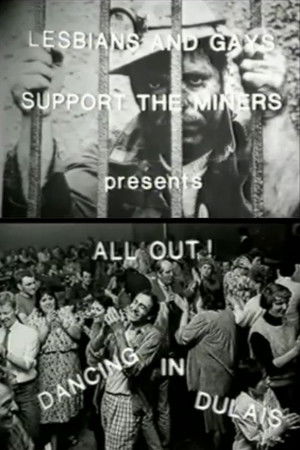
Dancing in Dulias was made by members of Lesbians and Gays Support the Miners (LGSM) and Lesbians Against Pit Closures during and immediate after the 1984/85 minders strike. Like the forthcoming movie, Pride, it documents the interactions between lesbians and gay men and the miners and their families in Dulais in South Wales - only this time it's the real thing. As well as some memorable footage that includes the Blaenant Lodge banner leading the 1985 Lesbian and Gay Pride march and LGSM members struggling with bingo at the local community hall, the film documents the wider political impact of this seemingly unlikely alliance. (cont. http://www.cambridgefilmfestival.org.uk/films/2014/dancing-in-dulais#sthash.HScQCj7E.dpuf)