As the Roman empire crumbles, young Romulus Augustus flees the city and embarks on a perilous voyage to Britain to track down a legion of supporters.
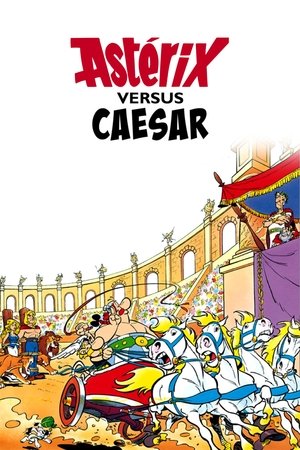
In the year 50 BC, Gaul is occupied by the Romans - nearly. But the small village of Asterix and his friends still resists the Roman legions with the aid of their druid's magic potion, which gives superhuman strength. Learning of this potion, a Roman centurion kidnaps the druid to get the secret formula out of him.
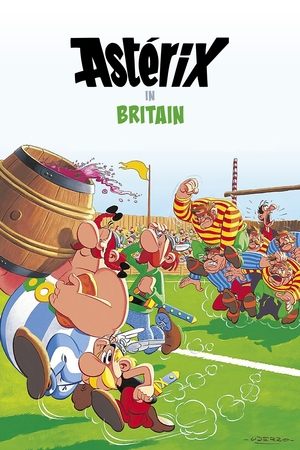
One little ancient British village still holds out against the Roman invaders. Asterix and Obelix are invited to help. They must face fog, rain, warm beer and boiled boar with mint sauce, but they soon have Governor Encyclopaedius Britannicus's Romans declining and falling. Until a wild race for a barrel of magic potion lands them in the drink.
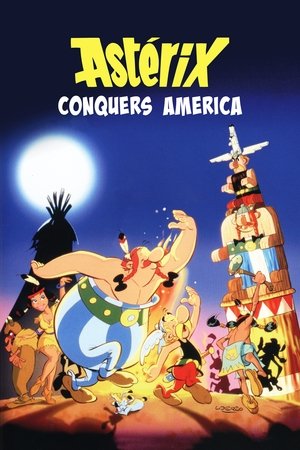
When marauding Romans capture - and catapult - their pal Getafix into lands unknown, the shrewd and cunning Asterix and his able sidekick Obelix spring into action! But their journey leads them to a strange and dangerous new world, where they must face a tribe of Indians, a stampeding herd of buffalo and a medicine man with designs on their magic potion!
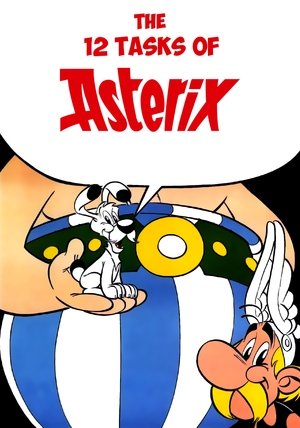
Asterix and Obelix depart on an adventure to complete twelve impossible tasks to prove to Caesar that they are as strong as the Gods. You'll roar with laughter as they outwit, outrun, and generally outrage the very people who are trying to prove them "only human".
Obelix falls for a new arrival in his home village in Gaul, but is heartbroken when her true love arrives to visit her. However, the lovers are kidnapped by Romans; Asterix and Obelix set out to rescue them on a dangerous journey that will involve gladiators, slavers and beauracracy - and a personal encounter with the Emperor himself, Julius Caesar...
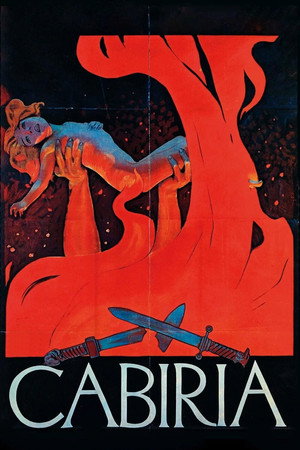
Young Cabiria is kidnapped by pirates and sold as a slave in Carthage. Just as she's to be sacrificed to Moloch, Cabiria is rescued by Fulvius Axilla, a good-hearted Roman spy, and his powerful slave, Maciste. The trio are broken up as Cabiria is entrusted to a woman of noble birth. With Cabiria's fate unknown, Maciste punished for his heroism, and Fulvius sent away to fight for Rome, is there any hope of our heroes reuniting?
Treacherous Roman senator Lucius Quintilius plans a secret journey into Thrace to recover a legendary treasure. He is accompanied by his daughter Livia posing as a Christian slave girl, his cruel henchman Commodio, and Terenzius, an ex-gladiator and Nero look-alike who fools the local Thracians into believing he is the real Emperor. But Lucius's plans are thwarted by Spartacus and his band of rebels who succeed in capturing the treasure for Thrace. When news arrives from Rome that the real Nero has died, local Roman governor Consul Metellus joins forces with Spartacus to defeat the traitors.
In the first century, after the death of Herod the Great, Judea goes through a long period of turbulence due to the actions of the corrupt Roman governors and the internal struggles, both religious and political, between Jewish factions, events that soon lead to the uprising of the population and a cruel war that lasts several years and causes thousands of deaths, a catastrophe described in detail by the Romanized Jewish historian Titus Flavius Josephus.
The TARDIS crew take up residence near Rome in 64AD, where Ian and Barbara are kidnapped by slave traders, and the Doctor's imitation of Maximus Pettulian sees him taken to the court of Emperor Nero where he inadvertently plays a part in deciding the course of history...
An account of the reign of Herod the Great, king of Judea under the rule of the Roman Empire, remembered for having ordered, according to the Gospel of Matthew, the murder of all male infants born in Bethlehem at the time of the birth of Jesus, an unproven event that is not mentioned by Titus Flavius Josephus, the main historian of that period.
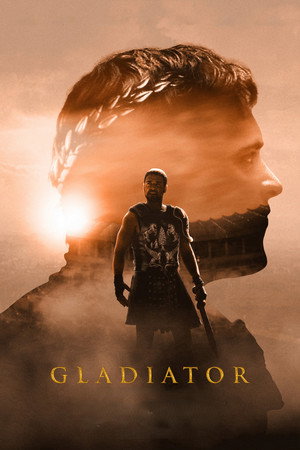
In the year 180 A.D. Germanic tribes are about to invade the Roman empire from the north. In the midst of this crisis ailing emperor Marcus Aurelius has to make a decision about his successor between his son Commodus, who is obsessed by power, and the loyal general Gaius Livius.
A series of bawdy and satirical episodes written during the reign of the emperor Nero and set in imperial Rome. Like the more famous version made by Federico Fellini, an adaptation of Petronius' Satyricon.
Terry Jones' Barbarians is a 4-part TV documentary series first broadcast on BBC 2 in 2006. It was written and presented by Terry Jones, and it challenges the received Roman and Roman Catholic notion of the barbarian. Professor Barry Cunliffe of the University of Oxford acted as consultant for the series.
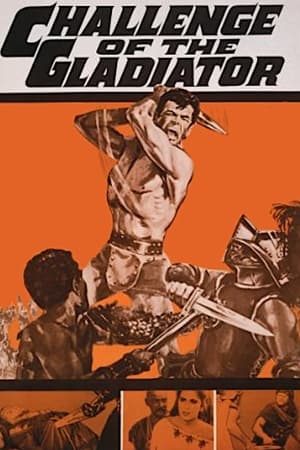
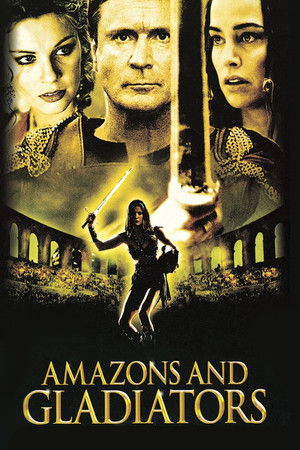
During the Roman Empire, General Crassius ruled a small province with an Iron fist. Serena, a young girl in a village, watches Crassius kill her parents. Crassius and Serena's destiny would lead them to the Gladiator ring; the Amazons Warrior vs the Roman General.
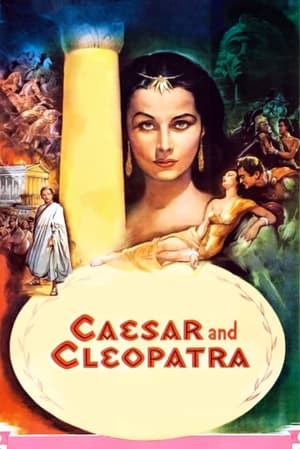
The queen of Egypt barges the Nile and flirts with Mark Antony and Julius Caesar.
In this film Paul Naschy embodies the Roman general Agrippa Vipsanio in a fierce battle against the tribal leaders Cantabrians, Corocota. Fierce battles, gladiators fighting, adventure and intrigue in this film as in the Roman conquest of Hispania.
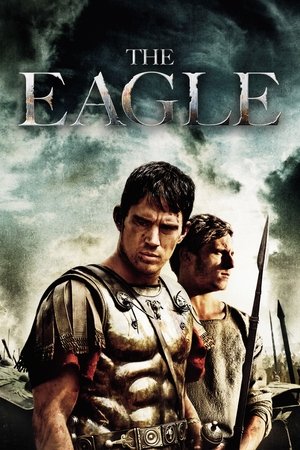
In 140 AD, twenty years after the unexplained disappearance of the entire Ninth Legion in the mountains of Scotland, young centurion Marcus Aquila arrives from Rome to solve the mystery and restore the reputation of his father, the commander of the Ninth. Accompanied only by his British slave Esca, Marcus sets out across Hadrian's Wall into the uncharted highlands of Caledonia - to confront its savage tribes, make peace with his father's memory, and retrieve the lost legion's golden emblem, the Eagle of the Ninth.
Through both personal and political conflicts, the film tells the story of emperor Diocletian's rise to power and his complicated place in ancient Rome's court politics.
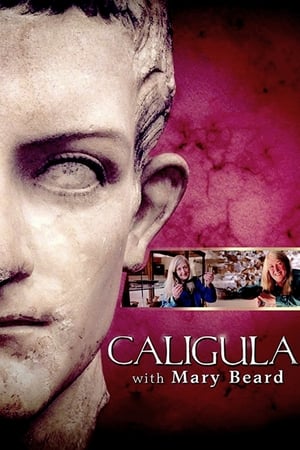
What is true and what is false in the hideous stories spread about the controversial figure of the Roman emperor Gaius Julius Caesar Augustus Germanicus (12-41), nicknamed Caligula? Professor Mary Beard explains what is accurate and what is mythical in the historical accounts that portray him as an unbalanced despot. Was he a sadistic tyrant, as Roman historians have told, or perhaps the truth about him was manipulated because of political interests?