Yagyu Jubei, the finest swordsman in the land, is called upon to bare his blade to help Iemitsu keep his post. Meanwhile a fishmonger named Isshin Tasuke who bears an amazing resemblance to Shogun Iemitsu may be called upon to put his life on the line by acting as the Shogun's double. At the same time, the tragic story of Banzuiin Chobei and Mizuno Jurozaemon is unfolding.
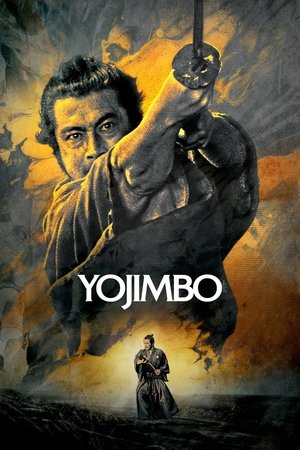
When the 'Lowly Ronin' helps an orphaned teenage girl avoid being turned into a prostitute, she then claims he is her father and they start a farm as father and daughter until fate steps in and he must draw his sword.
Four people recount different versions of the story of a man's murder and the rape of his wife.
Nathan Algren is an American hired to instruct the Japanese army in the ways of modern warfare, which finds him learning to respect the samurai and the honorable principles that rule them. Pressed to destroy the samurai's way of life in the name of modernization and open trade, Algren decides to become an ultimate warrior himself and to fight for their right to exist.
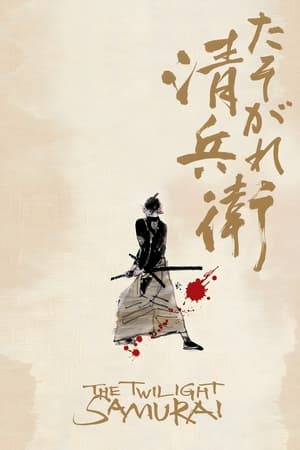
Yasube Nakayama left the clan and lives in Edo. One day, Yasubei visits his uncle Rokuroemon Kanno to borrow money from a moneylender in the amount of 13 ryo in order to save Oteru, the daughter of a merchant. However, the next day, Rokuroemon was killed in a fight by the Murakami brothers. Yasubei rushed to the scene, took revenge and became the husband of Miya, the daughter of Horibe Yahei.
In the 15th year of the Genroku era (1688), the world praised the 47 ronin who avenged the death of their master Asano Takumi-no-kami. Shogun Tsunayoshi, who ruled at that time, experienced difficulties in what punishment to impose on the soldiers. As a result, it was decided to sentence them to seppuku (ritual suicide).
Seppuku Day 17 Ako ronins, including Kuranosuke Oishi, who were entrusted to the Hosokawa family, and the events of the two days before are depicted as a tragic romance between one of the ronins, Jurozaemon Isogai, and Omino. An adaptation of Seika Mayama play "Genroku Chusingura, the Last Day of Oishi", which tells about the torments of life and death of samurai living in feudal times.
53 Stages of Action
Nakazo is forced by his foster mother, Shun, to practice dance intensively. He is bullied in the Kabuki world, and worries about his future as an actor.
Dives deep into the tragicomic world of the"towns-people" stand-ins working at Warp Station Edo, a popular shooting location for samurai dramas, through a piercing study of a 63-year-old extra. Utilizing mockumentary stylings, this ambitious film forms a compelling commentary on the aspirations that shape film production and the feelings that a simple, ho-hum life can evoke.
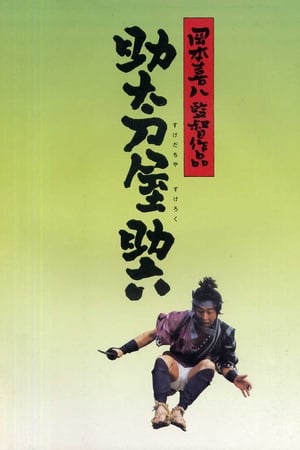
In a world where vendettas are officially sanctioned, the people sometimes needed help in carrying out their vengeance. Sanada Hiroyuki stars as Sukeroku the Helper, a ‘cool and rambling yakuza’ that has made a business out of helping victims carry out their revenge. When he returns to his hometown to pay a visit to his mother’s grave he meets a deadly ronin who carries a secret which eventually leads him into a vendetta of his own.
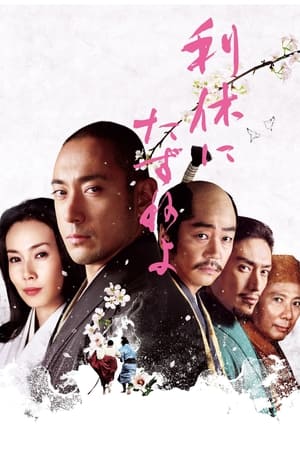
Sen no Rikyu (Ebizo Ichikawa) is the son of a fish shop owner. Sen no Rikyu then studies tea and eventually becomes one of the primary influences upon the Japanese tea ceremony. With his elegant esthetics, Sen no Rikyu is favored by the most powerful man in Japan Toyotomi Hideyoshi (Nao Omori) and becomes one of his closest advisors. Due to conflicts, Toyotomi Hideyoshi then orders Sen no Rikyu to commit seppuku (suicide). Director Mitsutoshi Tanaka's adaptation of Kenichi Yamamoto's award-winning novel of the same name received the Best Artistic Contribution Award at the 37th Montréal World Film Festival, the Best Director Award at the 2014 Osaka Cinema Festival, the 30th Fumiko Yamaji Cultural Award and the 37th Japan Academy Film Prize in nine categories, including Best Art Direction, Excellent Film and Excellent Actor.
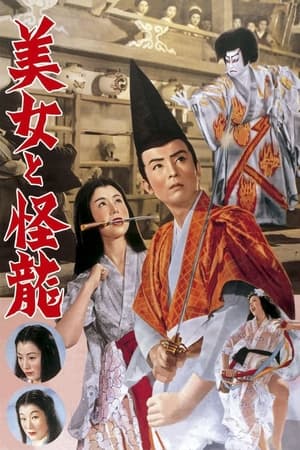
In the third entry into this mega-hit series, Isshin Tasuke, a spirited fishmonger in Edo who looks just like Shogun Iemitsu undergoes a series of unforeseen troubles in his newly wedded life.
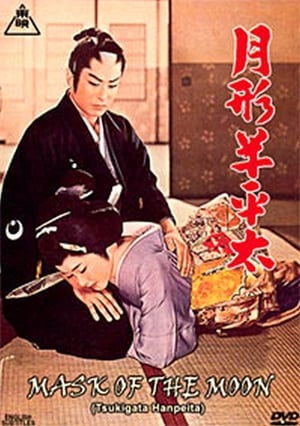
Young swordsman, Tsukigata Hanpeita, longs for the day when rival clans cease their struggles for power and put an end to meaningless feudal wars. When he is appointed to oversee the Choshu Clan, he takes it upon himself to work towards the peace that he has dreamed about. With his affectionate personality and compassion for life, Hanpeita’s popularity grows among the people, making him a threat to those thirsty for conflict and power. A betrayal by those closest to him leaves Hanpeita caught in a trap that could ultimately cost him his life.
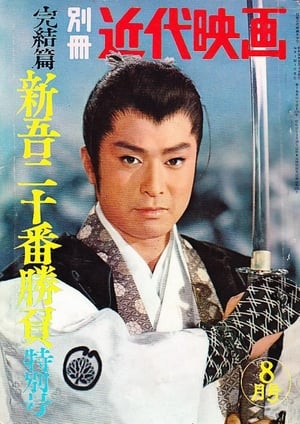
The adventures of Aoi Shingo continue. Shingo is finally given permission to officially meet his father, the Shogun. However, his journey is disturbed by those who wish to claim his life. This is the third part of "THE 10 DUELS OF YOUNG SHINGO", following the first 2 parts (which were actually done as one movie). The tension mounts as young Shingo must face obstacles the like of which he had never before seen. And, can he avenge the death of his master? The man to whom he owes everything.
During the latter days of the Tokugawa Era, the tensions rise between the 'royalists' and those struggling to uphold the Shogunate. The most modern 'Gatling Gun' has been stolen from its warehouse in Edo Castle by burglars targeting the very Shogun himself.
This is a standalone movie, based on the long-running television series about Shogun Yoshimune. When the very foundation of the government is shaken by a counter-feiting scandal, Shogun Tokugawa Yoshimune must take to the road as an itinerant ronin in order to find out who's behind the conspiracy. Meanwhile, a woman acting as an avenging angel begins assassin-ating the suspects in the case, causing Yoshimune to not only find his original quarry, but to help her get her revenge against those corrupt individuals that had murdered her family when she was only a child. Matsudaira Ken shines in his most famous role, the 'Roughneck' Shogun who travels the country seeking to stomp out evil and corruption.
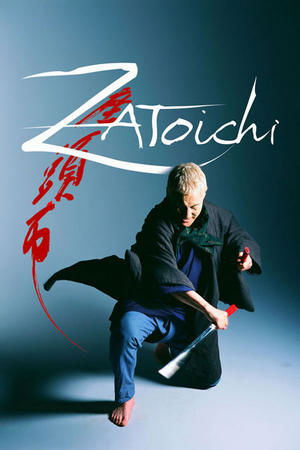
Having put down his sword and given up the will to fight, the masterless samurai Iemon lives in solitude while being haunted by his violent enigmatic past...
In the late 16th century, after the death of Nobunaga Oda, Hideyoshi Toyotomi takes power. The age of war is about to end, but Hideyoshi Toyotomi's rule makes life difficult for the people. Monk Senko Ikenobo is a master of flower arrangement. He prays for peace in the world and tries to give hope to the people with flower arrangement. He becomes good friends with Rikyu. Rikyu is a monk and a politician. He has the most profound influence on chanoyu. Rikyu is forced to commit hara-kiri by Hideyoshi Toyotomi’s order. Monk Senko Ikenobo challenges Hideyoshi Toyotomi.
This historical film depicts the life of a man who was at the mercy of the waves during transition from the end of the Edo period to the Meiji Restoration, and therefore, shows audience the dynamic change from Edo to Meiji. Before the war, the director, Eisuke Takizawa, together with the writers, formed a scenario writer group "Narutaki-gumi and they shot many historical masterpieces.