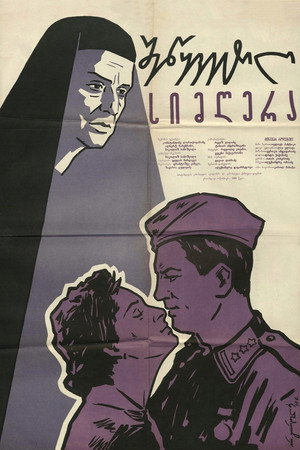
The story of student love in the most difficult times, because even during the Protectorate, young people liked to have fun, dance, and fall in love. In the villa of their classmate Paddy, who was expelled from high school because of his mixed heritage, his former classmates gather, obsessed with jazz and the desire to start their own band. They succeed, and when Paddy's father takes Zuzana, whose parents are in a concentration camp, under his wing, the band also gains a singer. Zuzana and Paddy fall in love. Their classmates prepare a concert, but it is threatened by a ban imposed by the high school principal, who says that students are not allowed to perform in public after 7 p.m. Zuzana lures the principal to Prague with a fake invitation, where he is to be awarded the Protectorate Order for his pedagogical merits. The Maskovaní banditi concert takes place, but the price the students pay is high...
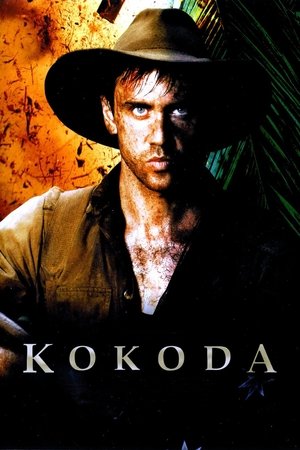
A bitter battle is fought between Australian and Japanese soldiers along the Kokoda trail in New Guinea during World War II.
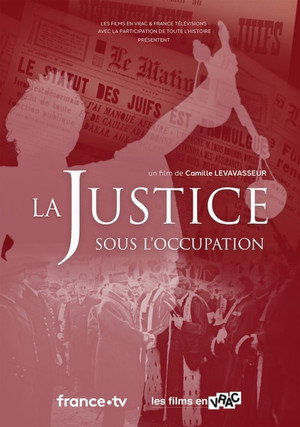
La Justice sous l'Occupation
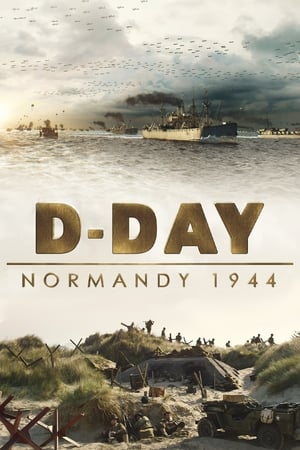
June 6, 1944: The largest Allied operation of World War II began in Normandy, France. Yet, few know in detail exactly why and how, from the end of 1943 through August 1944, this region became the most important location in the world. Blending multiple cinematographic techniques, including animation, CGI and stunning live-action images, “D-Day: Normandy 1944” brings this monumental event to the world’s largest screens for the first time ever. Audiences of all ages, including new generations, will discover from a new perspective how this landing changed the world. Exploring history, military strategy, science, technology and human values, the film will educate and appeal to all. Narrated by Tom Brokaw, “D-Day: Normandy 1944” pays tribute to those who gave their lives for our freedom… A duty of memory, a duty of gratitude.
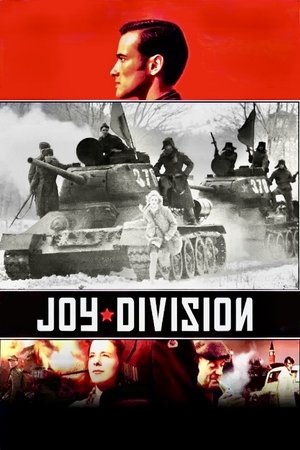
A teenage orphan fights against the Red Army at the end of WWII and in the aftermath is 'adopted' by a Commissar. Years later he is sent to London during the Cold war to work for the KGB, where he questions his life.
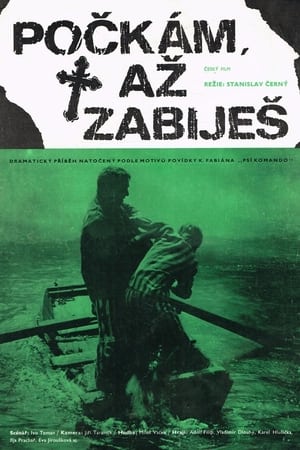
During World War II, dogs were trained in special centres for guard duty in concentration camps. However, one of the prisoners domesticates a female German Shepherd, which saves his life during his escape.
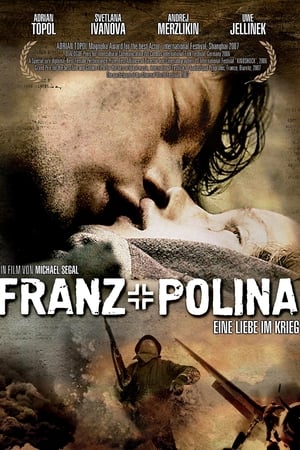
The movie tells the story of Franz, a Waffen-SS soldier who deserts, and Polina, a Belarusian woman whose village is razed and people massacred.
Based on the paradoxical life story of a small-time Viennese postman, a former classmate of the "great" Hermann Göring, this television drama depicts the difficult position of the so-called "little man," first under the Nazi regime and later in the postwar years, when fascist tendencies continued to survive.
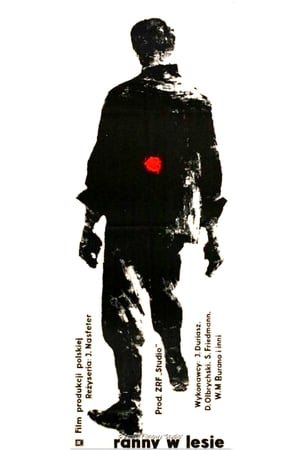
While hiding from the Germans in the forest, young Polish corporal tries hard to fulfill his order to take care of a wounded lieutenant and wait for the doctor and transportation to come.
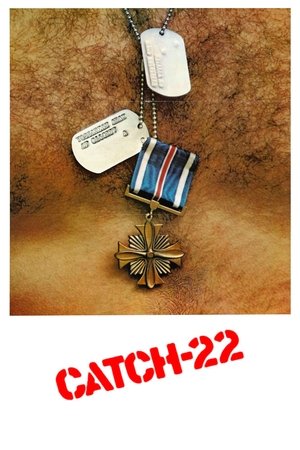
A WWII military pilot makes a valiant effort to be certified insane in order to be excused from flying missions. But there's a catch.
In 1930s fascist Italy, adolescent Luca just lost his mother. His father, a callous businessman, sends him to be taken care of by British expatriate Mary Wallace. Mary and her cultured friends - including artist Arabella, young widow Elsa, and archaeologist Georgie - keep a watchful eye over the boy. But the women's cultivated lives take a dramatic turn when Allied forces declare war on Mussolini.
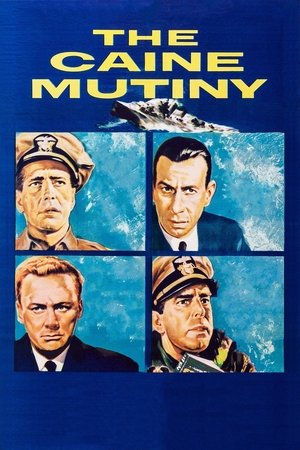
When a US Naval captain shows signs of mental instability that jeopardize his ship, the first officer relieves him of command and faces court martial for mutiny.
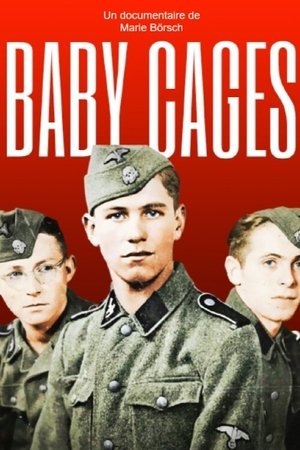
After WWII had ended, it was realized by the American Allies that there were children whom Hitler trained to be soldiers between the ages of 9-17. They were the "Hitler Youth". As the adult German soldiers were taken as prisoners of war, so were the children. These boys were taken to France and reeducated by being taught democracy and treated better than the adult POWs. This story recounted by a former "baby cage" prisoner at the age of 92.
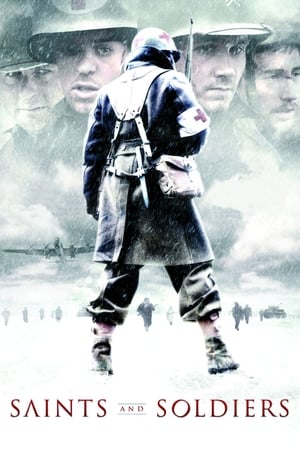
Five American soldiers fighting in Europe during World War II struggle to return to Allied territory after being separated from U.S. forces during the historic Malmedy Massacre.
Jamie Graham, a privileged English boy, is living in Shanghai when the Japanese invade and force all foreigners into prison camps. Jamie is captured with an American sailor, who looks out for him while they are in the camp together. Even though he is separated from his parents and in a hostile environment, Jamie maintains his dignity and youthful spirit, providing a beacon of hope for the others held captive with him.
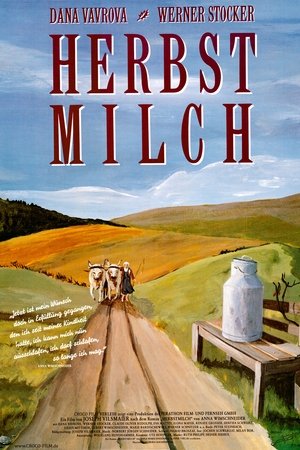
With the death of her mother, eight-year-old Anna ends her childhood: From now on, she has to look after the nine-member family. Deprivation-rich years, which also find no end when Anna marries: Her husband Albert must be a soldier in the Second World War, and the pregnant Anna has to work hard in the farm and care sick relatives. Lonely and exposed to the harassment of the tyrannical mother-in-law, she waits for Albert, with no certainty that he will ever return.
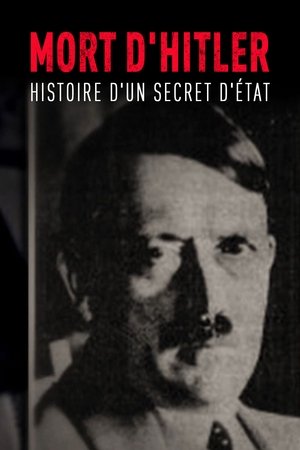
On April 30, 1945, while the Russian Army surrounded Berlin, Hitler committed suicide in his bunker. His body was discovered a few days later by the Soviets. He would be positively identified after a top secret inquest in which Hitler's personal dentist would play a central role. And yet, at the same time, Stalin publicly declared that his army was unable to find the Führer's body, choosing to let the wildest rumors develop and going so far as to accuse some of his Allies of having aided the monster's probable escape. What secrets were hidden behind this dissimulation? What happened then to the two ladies involved in the identification of Hitler’s body?
Young couple separated by World War 2, dream of being reunited years later.
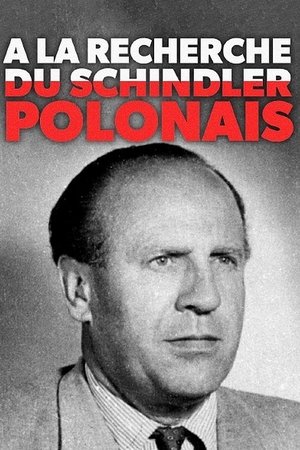
À la recherche du Schindler polonais
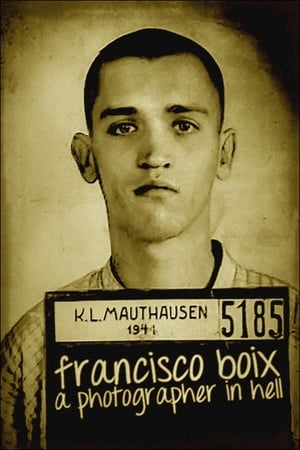
In 1939, just finished the Spanish Civil War, Spanish republican photographer Francesc Boix escapes from Spain; but is captured by the Nazis in 1940 and imprisoned in the Mauthausen concentration camp, in Austria, a year later. There, he works as a prisoner in the SS Photographic Service, hiding, between 1943 and 1945, around 20,000 negatives that later will be presented as evidence during several trials conducted against Nazi war criminals after World War II.