A day in the life of a six-year-old child in Calcutta, who lives shut up in the family home, insulated from the city by a park. The father is away at work. The grandfather is alone in his room, ill and confined to his bed. The mother receives her lover.
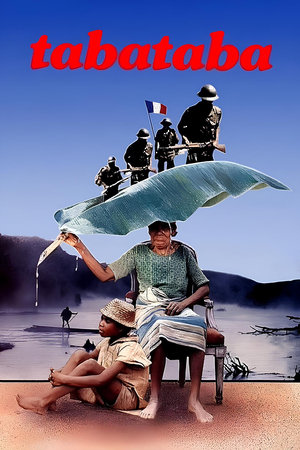
Tabataba tells the story of a small Malagasy village during the independence uprising which took place in 1947 in the south of the country. For several months, part of the Malagasy population revolted against the French colonial army in a bloody struggle. The repression in villages that followed was terrible, leading to fires, arrests and torture. Women, children and the elderly were the indirect victims of the conflict and suffered particularly from famine and illness. One leader of the MDRM Malagasy Party, which campaigns for the independence of the country, arrives in a village. Solo (François Botozandry), the main character, is still too young to fight but he sees his brother and most of the men in his clan join up. His grandmother, Bakanga (Soavelo), knows what will happen, but Solo still hopes his elder brother will return a hero. After months of rumours, he sees instead the French army arrive to crush the rebellion.
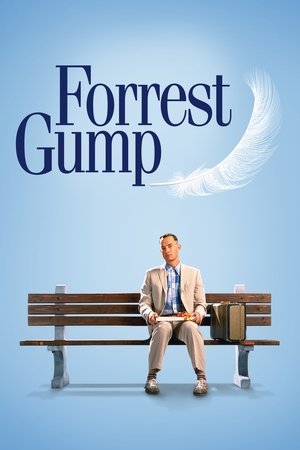
A man with a low IQ has accomplished great things in his life and been present during significant historic events—in each case, far exceeding what anyone imagined he could do. But despite all he has achieved, his one true love eludes him.
Selma, a Czech immigrant on the verge of blindness, struggles to make ends meet for herself and her young son, who has inherited the same genetic disorder and will suffer the same fate without an expensive operation. When life becomes increasingly difficult, Selma learns to cope through her love of musicals, dreaming up little numbers to the rhythmic beats of her surroundings.
Fueled by love, rebellion, and rock 'n' roll, Radit and Jani live fast and free—until reality hits, and they’re forced to trade chaos for survival.
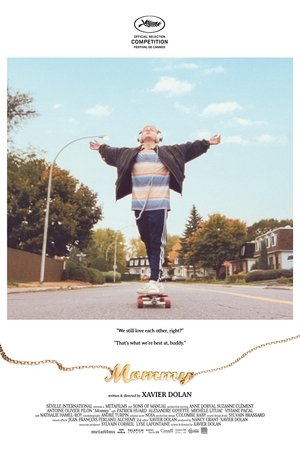
A peculiar neighbor offers hope to a recent widow who is struggling to raise a teenager who is unpredictable and, sometimes, violent.
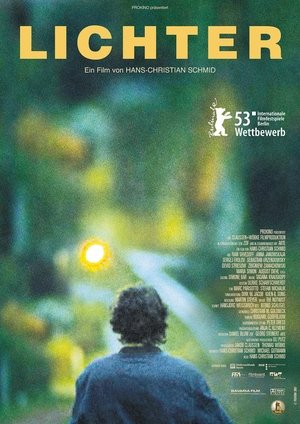
Lichter is an episodic tale from Hans-Christian Schmid about the life on the border between Germany and Poland. The film sheds light on the everyday stories of escape and desperateness.
A young Polish filmmaker sets out to find out what happened to Mateusz Birkut, a bricklayer who became a propaganda hero in the 1950s but later fell out of favor and disappeared.
A young transgender man explores his gender identity and searches for love in rural Nebraska.
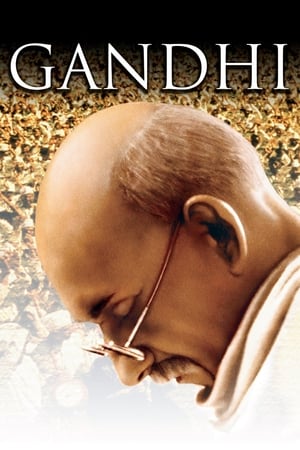
In the early years of the 20th century, Mohandas K. Gandhi, a British-trained lawyer, forsakes all worldly possessions to take up the cause of Indian independence. Faced with armed resistance from the British government, Gandhi adopts a policy of 'passive resistance', endeavouring to win freedom for his people without resorting to bloodshed.
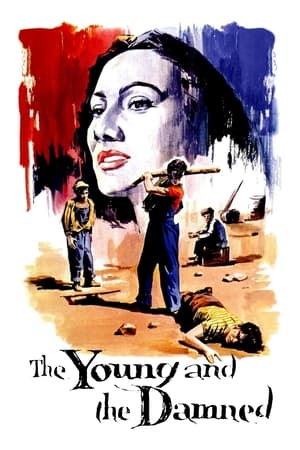
A group of juvenile delinquents live a violent life in the infamous slums of Mexico City; among them Pedro, whose morality is gradually corrupted and destroyed by the others.
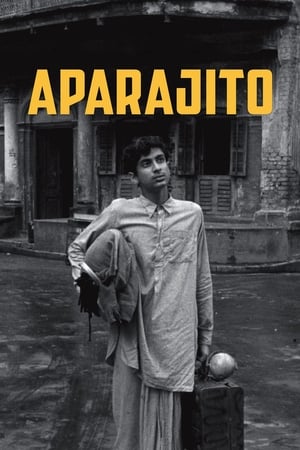
Apu and his family have moved away from the country to live in the bustling holy city of Benares. As he progresses from wide-eyed child to intellectually curious teenager, eventually studying in Kolkata, we witness his academic and moral education, as well as the growing complexity of his relationship with his mother.
A commanding officer defends three scapegoats on trial for a failed offensive that occurred within the French Army in 1916.
Bruce Banner, a genetics researcher with a tragic past, suffers massive radiation exposure in his laboratory that causes him to transform into a raging green monster when he gets angry.
Polish immigrant Karol Karol finds himself out of a marriage, a job and a country when his French wife, Dominique, divorces him after six months due to his impotence. Forced to leave France after losing the business they jointly owned, Karol enlists fellow Polish expatriate Mikołaj to smuggle him back to their homeland.
Natalie and Nick are frustrated with their luck in romance. After tossing coins into a fountain, the two then begin dreaming about each other. But, according to fountain mythology, they only have a week to turn those dreams into reality.
Walt is a lonely convenience store clerk who has fallen in love with a Mexican migrant worker named Johnny. Though Walt has little in common with the object of his affections — including a shared language — his desire to possess Johnny prompts a sexual awakening that results in a tangled love triangle.
The true story of pianist Władysław Szpilman's experiences in Warsaw during the Nazi occupation. When the Jews of the city find themselves forced into a ghetto, Szpilman finds work playing in a café; and when his family is deported in 1942, he stays behind, works for a while as a laborer, and eventually goes into hiding in the ruins of the war-torn city.
The true story of how businessman Oskar Schindler saved over a thousand Jewish lives from the Nazis while they worked as slaves in his factory during World War II.
In a violent relationship, it takes a mother’s strength to save herself and her children from the man she loved. Once Were Warriors is a violent love story set against a contemporary urban backdrop.