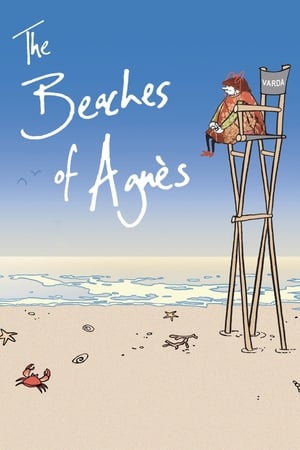
Filmmaking icon Agnès Varda, the award-winning director regarded by many as the grandmother of the French new wave, turns the camera on herself with this unique autobiographical documentary. Composed of film excerpts and elaborate dramatic re-creations, Varda's self-portrait recounts the highs and lows of her professional career, the many friendships that affected her life and her longtime marriage to cinematic giant Jacques Demy.
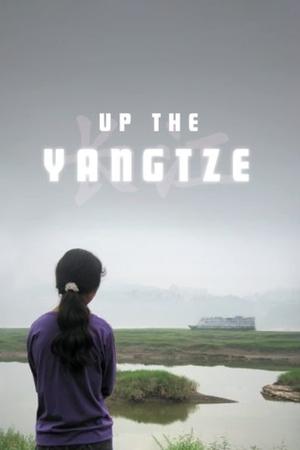
At the edge of the Yangtze River, not far from the Three Gorges Dam, young men and women take up employment on a cruise ship, where they confront rising waters and a radically changing China.
Villa Madjo
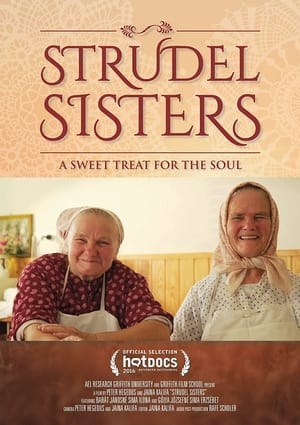
Two elderly sisters share the delicate art of making traditional Hungarian strudel and reveal a deeply personal family story about their mother, who taught them everything they know.
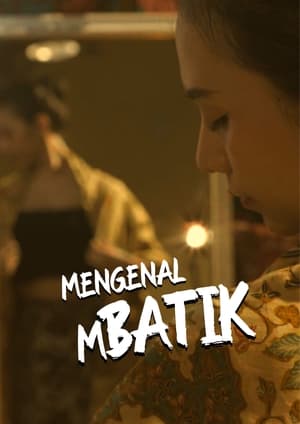
Alex, a wealthy and handsome man living a meaningless life, meets Tika, a beautiful and refined woman from a different background. He falls in love with her and pretend to learn Batik at Tika's mother's gallery to win her heart.
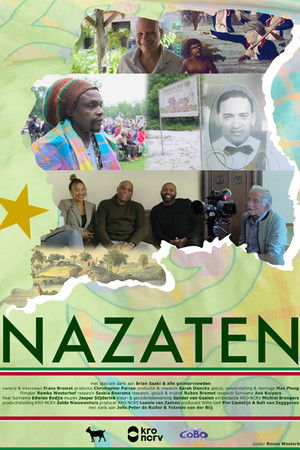
Frans Bromet goes in search of his family history and discovers that Hermanus Bromet was a well-known slave trader in Suriname. Should he feel guilty for what his ancestor did? How do you deal with a burdened family past?
A short documentary about a man, his legacy and his impact on the world.
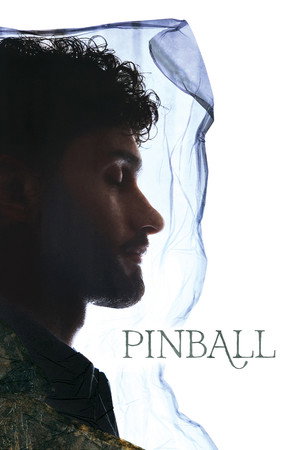
In a contemplative coming of age portrait, PINBALL follows Yosef, a spirited athlete, in Louisville, Kentucky as he dives into the memories of his journey from Iraq to America and what it means to chase his dreams in the shadow of a war that displaced his family from their Iraqi homeland.
A calling inhabits the blank pages, unfolding a secret writing of hers. The unseen written traces seep from the murmuring land, pushing through fragmented voices to become new forms, beings made material. Framed as a dialogue with my grandmother, this film explores an alternative form of personal writing by Chinese women in political shifts, absent and abundant. The 'blank' becomes an image, carrying a search for agency; of land transformed and of women unheard. By breaking down linguistic structures, the film opens a space for imagining, reading, and performing, allowing for emergence.
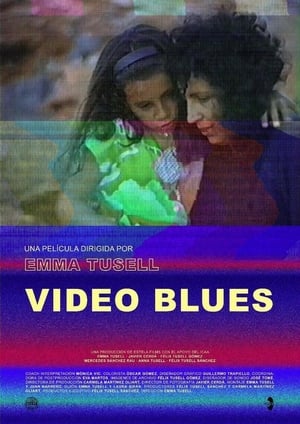
Emma reviews old tapes on VHS, which show faded family memories of those distant 80s, when she was still a child. While recalling the trips to the coast and the children's laughter, she tries to recompose pieces of a story that he never fully understood, joining the pieces of a forgotten puzzle to discover that things were not what they seemed.
By recounting their experiences with family, friends, lovers and country, a group of strangers examine what it means to be loved as Nigerians and as women. Through these conversations, they unpack cultural biases, shared realities and potential alternatives towards a safer, softer future.
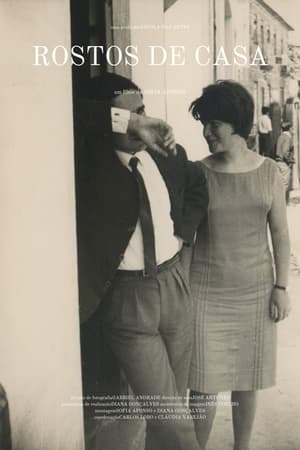
Memory prevents rest and a woman about to die takes advantage of cinema to tell her story (inseparable from that of Franco’s Spain) and to say goodbye. A terrace as a border and a song that crosses time. At home, nothing is always—and everything is still—in the present and defunct now. A home movie of ghosts, a generous gesture of intimacy and solidarity that not witnesses two people at the end of their long lives, but also reveals the weight of history and of the 20th century, which is always present today.
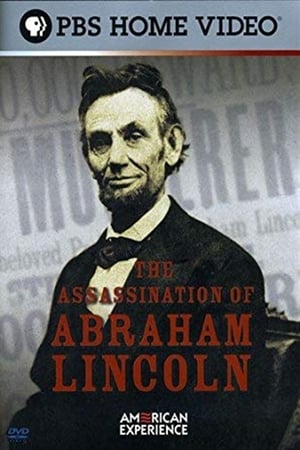
Just days after the Civil War ended, President Abraham Lincoln was assassinated at Ford's Theatre. As a fractured nation mourned, a manhunt closed in on his assassin, the twenty-six-year-old actor, John Wilkes Booth. The Assassination of Abraham Lincoln tracks the converging paths of the president and his killer, then tracks and draws connections between their last journeys, in the forms of Lincoln's funeral train route and Booth's desperate efforts to escape.
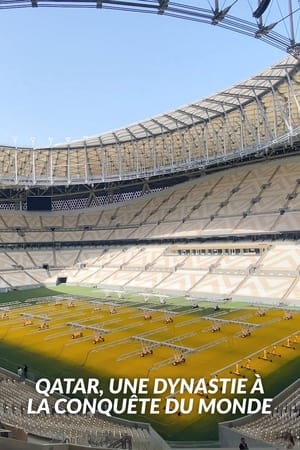
For three decades now, Qatar, this small desert kingdom, has not stopped being talked about; because of its financial power and the secrecy that surrounds it, the royal family that runs it fascinates as much as it frightens.
School lunch chef Wanda McAfee-Conart reflects in her job and how it connects her to the sensory environment and to her own family history.
In an empty house, we see the memories of a home, from those who once lived and filled it with joy and love.
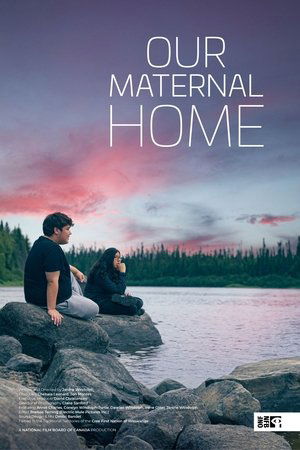
Filmmaker and educator Janine Windolph ventures from Saskatchewan to Quebec with her two teens and younger sister, tracing their familial origins to the Cree First Nation of Waswanipi. Against the scenic backdrop of these Traditional Lands, Elders offer newfound interdependence and hands-on learning, transforming this humble visit into a sensory-filled expression of reclamation and resilience. Our Maternal Home lovingly establishes a heart-centred form of resistance to confront and heal from the generational impacts of cultural disconnection, making space for what comes next.
Epigenetics and psychogenealogy through a VERY personal experience.
A film that delves into director Jean Carlomusto's family history by trying to find out if the rumors about her grandmother's death -- trying to rid herself of an unwanted pregnancy in 1939 -- are true.
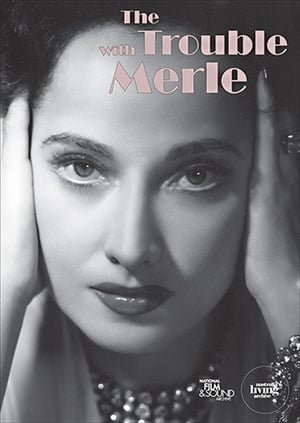
The director explores the birth origins of actress Merle Oberon, traveling to Tasmania and India in search of the truth, but her quest ultimately results in probably more questions than it answers.