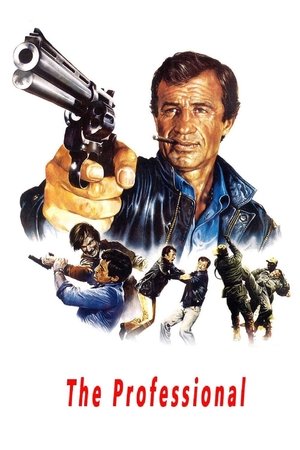
Josselin Beaumont, a French secret agent, is tasked with assassinating Njala, the president for life of Malawi in Africa. A shift in French policy means that assassinating Njala is no longer an option. But instead of recalling their agent, high-ranking officials deliberately sacrifice Beaumont by handing him over to the Malawian authorities. Arrested, tried, and imprisoned, he nevertheless manages to escape. Back in Paris after a two-year absence, he informs his superiors through Colonel Martin that he will fulfill his contract during Njala’s upcoming official visit to Paris between the 12th and 15th of this month, and that he has a few scores to settle with the D.G.S.E. The question is, should Beaumont be stopped or not?
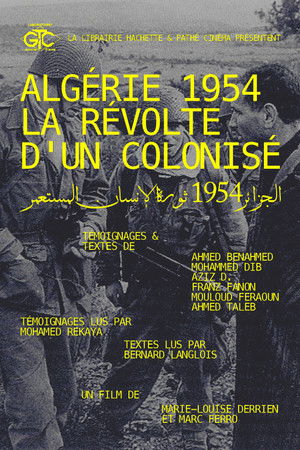
This film presents the point of view of an Arab from Algeria who rebels against colonization. He analyzes the process of awareness, the transition to revolt, to armed insurrection. Algeria and the settlers are seen through this lens and not the way a Frenchman saw the country. He gives voice to the Arabs at a time when this word was not heard: sometimes it was not even produced, at least publicly. The testimonies are based on real propositions, most of them were made to the author during his stay in Algeria from 1948 to 1956, then in 1958 and 1959. The comments are borrowed from the texts of Arab theorists of the revolution Algerian. This film thus completely evacuates the point of view of those who are not insurgents; he does not give the opinion of the colonists. It is the direct expression of what was the revolt of a colonized person: it thus constitutes the very type of the historical document.
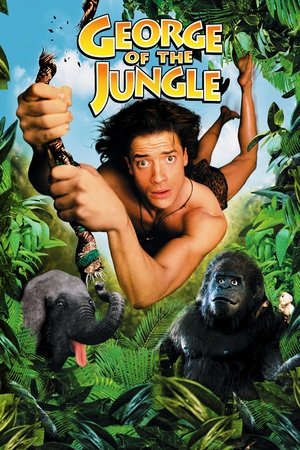
Deep in the African jungle, a baby named George, the sole survivor of a plane crash, is raised by gorillas. George grows up to be a buff and lovable klutz who has a rainforest full of animal friends: Tookie, his big-beaked toucan messenger; Ape, a witty talking gorilla; and Shep, a peanut-loving pooch of an elephant. But when poachers mess with George's pals, the King of Swing swings into action.
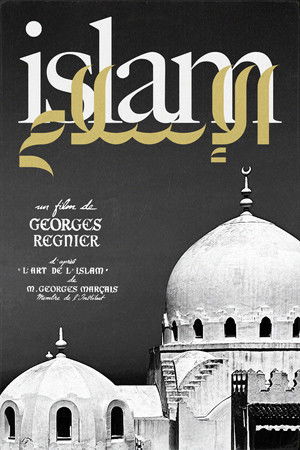
"Islam" by Georges Régnier (1949) is a documentary about Islamic art in Algeria, Tunisia, Morocco, and Spain. The documentary received a special mention at the Venice Film Festival in 1949. Georges Régnier, a French documentary filmmaker active in the post-war period, was interested in North African cultures and colonial issues. In this film, he traces the history of Islam and its architectural art across these regions, and describes the expansion of Islam from Arabia to the Maghreb and Andalusia, highlighting mosques, minarets, and palaces such as those in Kairouan, Algiers, and Marrakech, all accompanied by the sounds of the Arabic call to prayer.
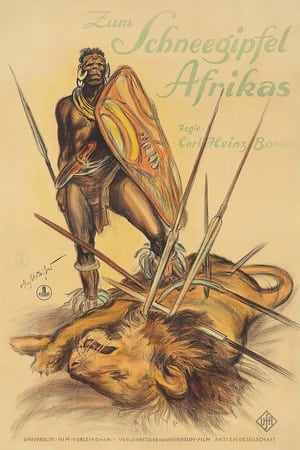
Silent adventure film
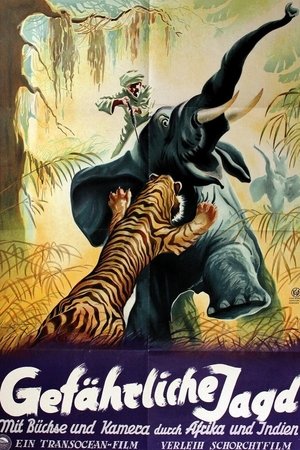
A humorous documentary about a historic hunt in 1929 through the African savannah and Indian jungle with lots of animal footage.
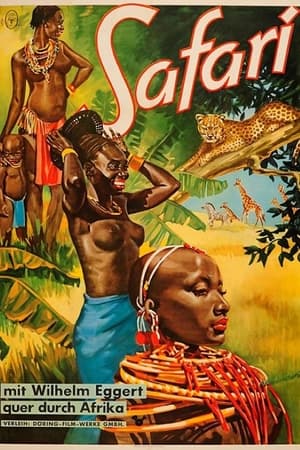
Between 1933 and 1935, the painter Wilhelm Eggert and his wife Dora Kuster traveled the African continent. Their expedition took them from Mediterranean Algiers through the Sahara and parts of the African west coast to the Congo and Kenya. Not only did the couple explore vast stretches of land that were almost completely unknown, at least to private travelers at the time, they also captured this journey on film. A screenable documentary film was compiled from the original 12,000m of film material. In cinemas and film clubs, European audiences were presented with a film that was evidently able to satisfy an interest in foreign, 'wild' cultures and exotic landscapes, albeit one that was always Eurocentric. The spectacular shots of African lifestyles and nature, which in many respects were new to European viewers who were almost completely unfamiliar with Africa, were praised and appreciated precisely because of their supposed authenticity.
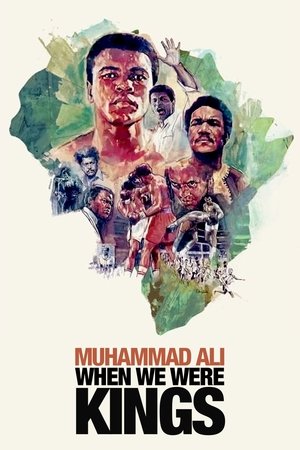
It's 1974. Muhammad Ali is 32 and thought by many to be past his prime. George Foreman is ten years younger and the heavyweight champion of the world. Promoter Don King wants to make a name for himself and offers both fighters five million dollars apiece to fight one another, and when they accept, King has only to come up with the money. He finds a willing backer in Mobutu Sese Suko, the dictator of Zaire, and the "Rumble in the Jungle" is set, including a musical festival featuring some of America's top black performers, like James Brown and B.B. King.
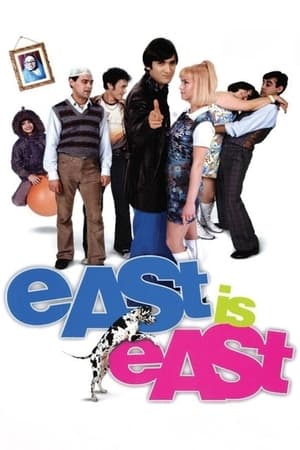
In 1971 Salford fish-and-chip shop owner George Khan expects his family to follow his strict Pakistani Muslim ways. But his children, with an English mother and having been born and brought up in Britain, increasingly see themselves as British and start to reject their father's rules on dress, food, religion, and living in general.
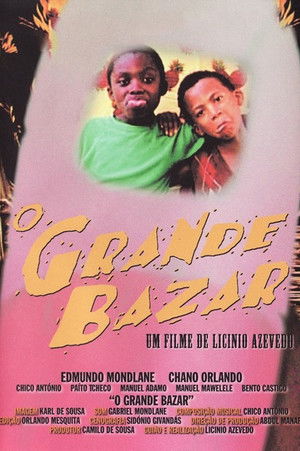
Two boys with different experiences and goals meet up in a sprawling African market. One is looking for a job, to get back what was stolen from him and return home. The other will do anything to avoid having to go back with his family. They become friends and together they reinvent the world.
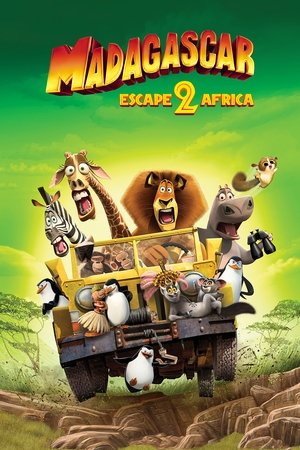
Alex, Marty, and other zoo animals find a way to escape from Madagascar when the penguins reassemble a wrecked airplane. The precariously repaired craft stays airborne just long enough to make it to the African continent. There the New Yorkers encounter members of their own species for the first time. Africa proves to be a wild place, but Alex and company wonder if it is better than their Central Park home.
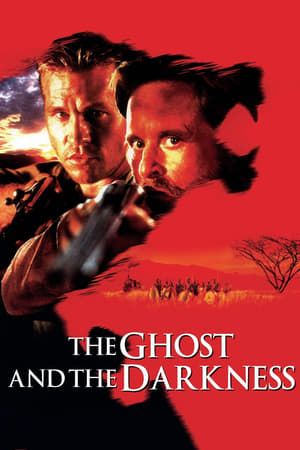
Sir Robert Beaumont is behind schedule on a railroad in Africa. Enlisting noted engineer John Henry Patterson to right the ship, Beaumont expects results. Everything seems great until the crew discovers the mutilated corpse of the project's foreman, seemingly killed by a lion. After several more attacks, Patterson calls in famed hunter Charles Remington, who has finally met his match in the bloodthirsty lions.
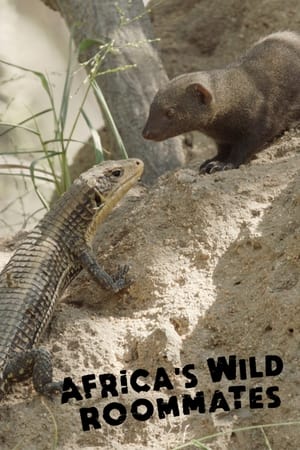
A unique look at three of the greatest builders of the African Savannah: weaver birds, aardvarks and termites. In their spectacular buildings they do not live alone! Many roommates from other species, from small insects, reptiles and birds to large mammals, not only live together — they also benefit from sharing the same roof.
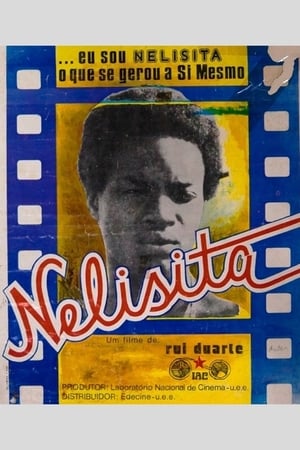
Adapted from two legends of the Nyaneka people in southeastern Angola. Set during a time of famine, and with only two families surviving, the film charts the struggle of Nelisita, a young man who confronts the spirits with help from animals and his friends.
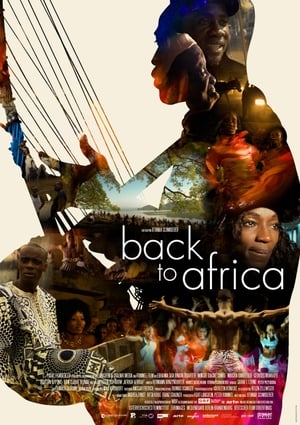
An Austrian director followed five successful African music and dance artists with his camera and followed their lives for a year. The artists, from villages in Ghana, Gambia and Congo, were the subjects of Africa! Africa! touring across Europe, but they have unbreakable roots to their homeland and their families. Schmiderer lovingly portrays his heroes, who tell their stories about themselves, their art and what it means to them to be African with captivating honesty. The interviews are interwoven with dance scenes and colourful vignettes set to authentic music.
Dreaming of one day having wealth and comfort, a poor girl who sells tissues on the street starts working at a nightclub. As unexpected events unfold, she becomes the owner of the club.
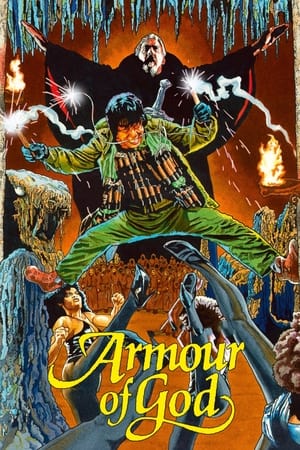
After an adventurer known as the Asian Hawk steals a mysterious sword known to be a piece of the Armour of God, a magical suit of armour that dates back to the Crusades, a cult of Satanic monks kidnap his ex-girlfriend and demand he turn over the sword and recover the rest of the armour.
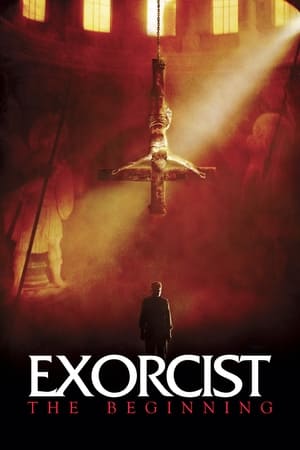
Years before Father Merrin helped save Regan MacNeil’s soul, he first encounters the demon Pazuzu in East Africa.
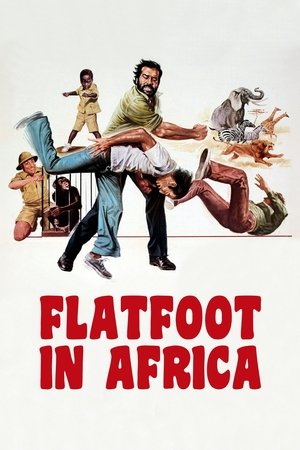
Inspector Rizzo in Napoli gets a message from a policeman from South Africa who wants to meet him. Immediately before this meeting the South African policeman is killed. Dying he shows Rizzo a picture of his young son Bodo. Rizzo travels to Johannesburg to find out what the policeman was working on and to find Bodo.
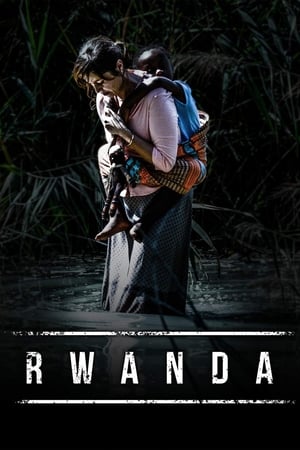
Two white Italian actors play Black Rwandans in a fact-based tale set during the Rwanda genocide.