Two politically-opposed young women fight to shape their lives along with the political future of Tunisia, the sole country to emerge from the Arab Spring uprisings as a functional democracy.
Filmed in New York in the summer of 2006: a march across the Brooklyn Bridge in support of the Palestinian and Lebanese populations. Habibi means "beloved" in Arabic.
In 1812 there were violent disturbances in Yorkshire when new machines were introduced into the wool industry. This film is an interpretation of those events made in the style of a documentary.
The Balkans cradles Europe's last wild rivers and supports abundant wildlife and healthy, intact ecosystems. These rivers are "The Undamaged" – clean, pristine, and undammed. With over 2,700 small and large hydro power plants planned or under construction in the Balkans, corruption and greed are destroying the last free-flowing rivers of Europe. Follow the Balkan Rivers Tour, a rowdy crew of whitewater kayakers, filmers, photographers and friends who decided to stand up for the rivers, travelling from Slovenia to Albania for 36 days, kayaking 23 rivers in 6 countries to protest the dams and show the world the secret wild rivers of the Balkans. The film honours everyday people and local activists who are fighting to defend rivers and aims to spread the word of the plight of these rivers, showing a new style of nature conservation that is fun, energetic and effective.
The story of Zineb El Rhazoui, a young Moroccan woman who, in the wake of the Charlie Hebdo attack, finds her life radically transformed : from a censored journalist in Morocco she becomes the most protected woman of France.
The Uprising shows us the Arab revolutions from the inside. It is a multi- camera, first-person account of that fragile, irreplaceable moment when life ceases to be a prison, and everything becomes possible again.
Led by Oswald Mosley, Britain’s Fascists march through south London.
Bertolt Brecht asked whether there would be singing in the dark times. In the throes of war, the United Ukrainian Ballet Company defiantly insists there will be dancing, too. Far from the land they call home, young dancers take quiet comfort from art. For a while, their work feels like the old days, except there is a new troupe member: a soldier learning to dance with prosthetic legs.
A warm, attentive chronicle of everyday life in a small Algerian town, with the backdrop of the inhabitants' development and beautification of one of the neighborhoods. We meet an amateur mechanic, a retired man from France, a doctor, old women and young men. Everyone plays... in front of the camera of one of the youngsters. Even when the riots in Kabylia disrupt the course of daily life in the Cité des Martyrs.
A girl from St. Petersburg walks around protest-ridden Moscow, talking to riot police and believing that sooner or later they will go over to the side of the demonstrators. An 18-year-old student of a St. Petersburg college introduces herself as Alice and tells about herself that from the age of four she lived in an orphanage and in foster families. In Moscow, Alisa, for whom this is the first rally in her life, walks along the police cordons and looks under the OMON helmet. "Under the mask you can't see, are you even human?"
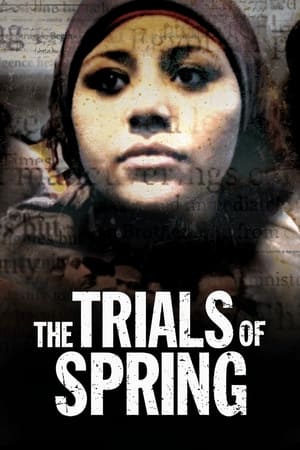
When 24-year-old Hend Nafea is arrested and tortured for demonstrating peacefully in Cairo's Tahrir Square, her pursuit of justice reflects post-revolution Egypt at an uncertain crossroads.
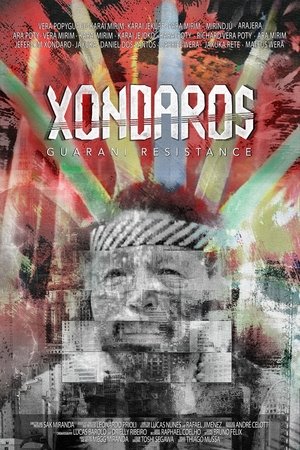
The 6 Guarani villages of Jaraguá, in São Paulo, fight for land rights, for human rights and for the preservation of nature. They suffer from the proximity to the city, which brings lack of resources, pollution of rivers and springs, racism, police violence, fires, lack of infrastructure and sanitation, among others. Unable to live like their ancestors, their millenary culture is lost as it merges with the urban culture.
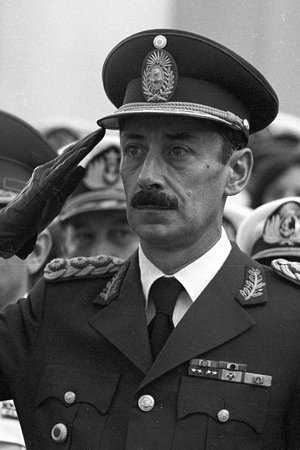
Faced with a lack of prosecution of those accused of crimes against humanity committed during Argentina’s military dictatorship, family members and descendants of the country’s estimated 30,000 disappeared took action. In the mid-1990s, they began gathering outside of accused perpetrators’ homes and workplaces to publicly shame them and raise awareness about the government’s systematic and brutal targeting of its people — and how it had gone unpunished. The human rights group HIJOS (Sons and Daughters for Identity and Justice Against Forgetfulness and Silence) led and labeled this direct-action style of protest “escrache,” or exposure.
The leaders of Egypt's 2011 revolution discuss the fire, courage and resiliency behind their movement to remove President Hosni Mubarak from office.
Living in an ancient redwood tree for more than two years to prevent the tree from being clear-cut, Julia Butterfly Hill captured our hearts and minds by showing us that one person can make a difference. Through interviews with Hill, filmmaker Doug Wolens paints a portrait of an intensely spiritual and articulate woman who encountered both beauty and horror (she was assaulted by lumber company helicopters at one point) during her time above ground.
“Looks at the impact key movements throughout U.S. history have had in shaping our society, laws and culture. From the labor movement of the 1880s, women's suffrage and civil rights, to the LGBTQ+ and Black Lives Matter movements, protest is in the American DNA and this documentary gives an unfiltered look at the ways it has evolved the world in which we live.”
The Square looks at the hard realities faced day-to-day by people working to build Egypt’s new democracy. Cairo’s Tahrir Square is the heart and soul of the film, which follows several young activists. Armed with values, determination, music, humor, an abundance of social media, and sheer obstinacy, they know that the thorny path to democracy only began with Hosni Mubarak’s fall. The life-and-death struggle between the people and the power of the state is still playing out.
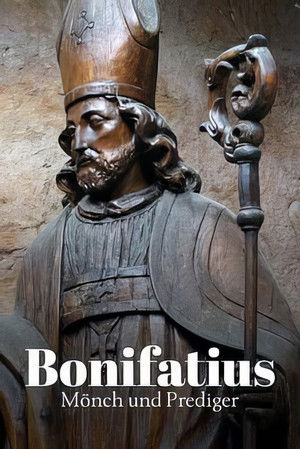
Bonifatius - Mönch und Prediger
In a neighbourhood in Bhar Lazrak, Tunis, residents live under the imminent threat of the state, which plans to demolish the area. Built spontaneously during the 2011 revolution by a group of people without state authorisation, the neighbourhood now faces an uncertain fate. One evening, mysterious lights appear in the neighbourhood, breaking the silence of the sleepers.
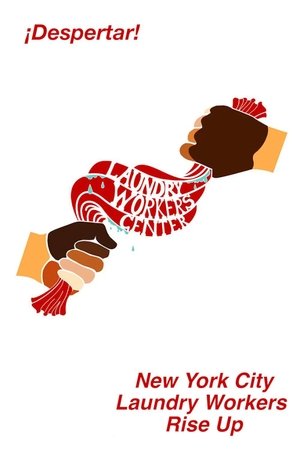
On June 28, 2018, laundry workers from El Barrio in New York City marched to the laundromat where they work. Their community and the Laundry Workers Center were there to support them.