In 1944 Poland, a Jewish shop keeper named Jakob is summoned to ghetto headquarters after being caught out after curfew. While waiting for the German Kommondant, Jakob overhears a German radio broadcast about Russian troop movements. Returned to the ghetto, the shopkeeper shares his information with a friend and then rumors fly that there is a secret radio within the ghetto.
The true, harrowing story of a young Jewish girl who, with her family and their friends, is forced into hiding in an attic in Nazi-occupied Amsterdam.
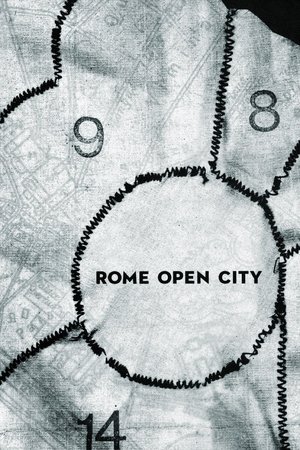
During the Nazi occupation of 1944 Rome, Resistance leader Giorgio Manfredi is pursued by the Nazis as he seeks refuge and a means of escape.
A solitary nurse bonds with a badly burned patient who survived an accident on an oil rig.
A frustrated and unemployed architect experiences flashbacks of his youth and 1968 protests while the life passes by. Unable to adapt and to accept the reality, he’s constantly getting into conflicts with the people around him.
An old gardener tends for the flowers during the war. Nazis ask him for flowers for their dead.
Two female Army agents go undercover at a Nazi prison camp to get information from a scientist being held there.
Based on a true story, during World War II, four Jewish brothers escape their Nazi-occupied homeland of West Belarus in Poland and join the Soviet partisans to combat the Nazis. The brothers begin the rescue of roughly 1,200 Jews still trapped in the ghettos of Poland.
In the whirlpool of WW2, two peaceful towns that have already tasted peace are once again attacked by the Germans. Casualties are high, but the dream of a boy and a girl about their liberated towns cannot be destroyed.
During the Nazi occupation of Czechoslovakia, surgeon Dr. Franticek Svoboda, a Czech patriot, assassinates the brutal "Hangman of Europe", Reichsprotektor Reinhard Heydrich, and is wounded in the process. In his attempt to escape, he is helped by history professor Stephen Novotny and his daughter Mascha.
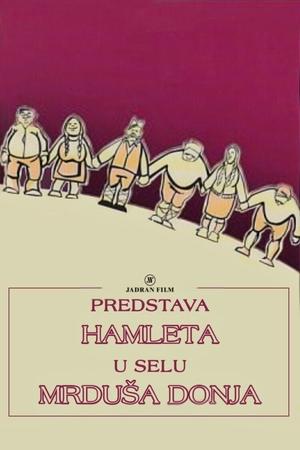
A corrupt village commissar insists on mounting a production of Hamlet. The clever local teacher, however, casts the son of a man framed for theft as Hamlet, and the commissar as the usurping king, leading to a climax of truly Shakespearean proportions.
Israel, 1956: Jewish teacher Rachel Stein rather unexpectedly meets an old friend at the kibbutz. It brings back memories of her experiences in the Netherlands during the war, memories of betrayal. In September 1944, Rachel's hiding place is bombed by Allied troops; she makes contact with a resistance member and joins a group of Jews to be smuggled across the Biesbosch to the freed South Netherlands. Only Rachel escapes a massacre by patrol Germans, and is rescued by a resistance group under the leadership of Gerben Kuipers, whose son is captured trying to smuggle weapons. Kuipers asks Rachel to seduce SS-hauptsturmführer Ludwig Müntze, a mission that she will soon learn that the boat attack wasn't a coincidence.
Idealistic young man supports the party and the new Yugoslavia's communist regime, but soon gets involved in various political and criminal machinations becoming more and more confused about what's right and what's wrong.
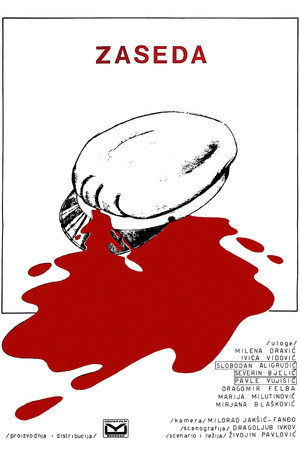
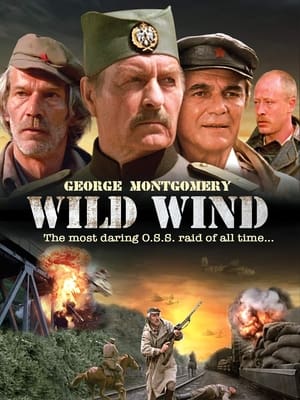
The leftover disbanded partisan battalion draws Chetniks' attention, who push their plans of attacking the partisan headquarters aside and start hunting them instead.
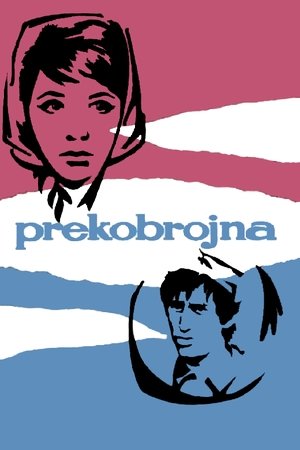
A French woman falls in love with a Yugoslavian man, not realizing that he is an illegal immigrant.
They meet in Yugoslavia. Katharina, daughter of a Yugoslavian immigrant worker, has grown up in the Federal Republic of Germany. She is a confident, energetic career woman who has managed to work her way up to become a successful television journalist. She goes to visit her parent's country, to do a story about the children of immigrant workers in their home country. Although she says she doesn´t need a "home" any more, even she feels strange in her own country. Peter is a rather "untypical" sort of man: a dreamer, a thinker. He has given up his steady job as a composer for advertising films and is divorced. He goes to Jugoslavia to find something out about the past. He travels to the places where his father was stationed during the Second World War.
A comic study of 20th-century history, reconstructing the life of writer, creator and professional prisoner Tulse Luper. Born in 1911 Newport and last heard of in 1989, Luper’s life is pieced together from the evidence found in 92 suitcases scattered across the globe. In the first of three parts, we follow Luper through three distinct episodes: as a child during the First World War; as an explorer in Mormon Utah; and as a writer in Belgium during the rise of fascism.
During World War II, two French civilians and a downed British Bomber Crew set out from Paris to cross the demarcation line between Nazi-occupied Northern France and the South. From there they will be able to escape to England. First, they must avoid German troops – and the consequences of their own blunders.
Belgrade, Yugoslavia, 1979; a mysterious "Phantom" occupies the attention and hearts of Belgrade. Every night, he exhibits spectacular driving maneuvers using a stolen white Porsche car through the city streets.
In a post-WWII Yugoslavia still under Stalinist rule in the 1950s, six-year-old Malik is oblivious as to why his father, Mehmed, has suddenly disappeared. In truth, Mehmed has been sent to a labor camp as punishment for acts of sexual indiscretion involving young girls. Malik's mother, Senija, however, has no answers, and the family must cope in the father's absence.