The story behind the growth of women's and girls' volleyball in the United States and how it continues to bolster and empower young women in their development. Featuring direct interviews with players, coaches, and families, as well as footage of the 2022 Big South Qualifier tournament.
Seven women and one non binary person share their personal experiences with masturbation through short anecdotes and a revolutionary washing machine.
As a result of the Holocaust and later, AIDS, the male homosexual community has sustained bitter losses and, according to Praunheim, lesbian women have now placed themselves at the head of the so-called queer movement. The female protagonists in the film represent two different generations; they also incorporate the past and present status of homosexuals in society.
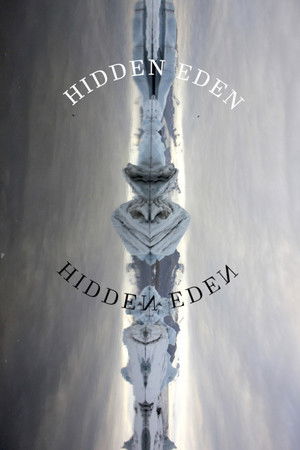
Exploring the concept of the Ecology of Emotions, this musical film portrays an inner journey through the secret garden of creativity put into frame by the nature of Iceland. Hidden Eden is a metaphor for our inner secret garden of creativity. This project bloomed during an art residency in Iceland, sparked by conversations around our shared philosophies on voice and emotional connection. The nature of Iceland inspired us to make the connection on how the landscape reflects the emotional states of creativity and how it helps manage the homeostasis of our inner emotional landscapes. This exchange between emotion and the landscape opens a space for healing. Creativity provides us with the tools to access a garden of our authentic being, nourishing and balancing us. Allowing ourselves to explore the spectrum of our emotions through the lens of our relationship with the Earth invites others to do the same. The creative process can affect our well being and is a key to human evolution.
TOMBOY explores the obstacles that young girls encounter on the recreational stage, the stereotypes, language issues and cultural disparities that follow, and ultimately the insufficient media coverage and compensation that afflicts elite professional athletes seeking full recognition for their talents. The journey of the female athlete is often discouraging, and despite progress achieved during the Title IX era, gender equity in athletics has a long way to go.
In 2016, after the hate-fuelled murder of a woman in Gangnam, young feminists gathered to talk about their experiences, which led to the ‘tsunami’ of the feminist movement reawakening in Korean society. This tsunami included street protests against misogynistic hate crimes, political campaigning in the upcoming presidential elections, protests against sexism and sexual violence in everyday life, and the ‘black’ protests calling for the abolition of the anti-abortion law. The Fearless And Vulnerable focuses on the activities and members of the Feminist Party (known in Korean as “Femidangdang”), a feminist group that was part of this tsunami wave. The pleasure and sincerity with which they conduct their activities are compounded with their courage in the face of conflict, and the sense of fear that permeates the community. The film shows Femidangdang meetings as well as the daily lives and thoughts of members during their activities post-2016.
The ten anthologies and eight long poems of the Sangam age are the oldest and most distinguished body of secular poetry extant in India, of which women poets were a very strong presence.
"Ellas en la ciudad" (Them in the City) focuses on the first settlers of the neighborhoods on the outskirts of Seville. Through their stories, we discover that they have been the backbone of a city that has turned its back on them.
Shut Up and Sing is a documentary about the country band from Texas called the Dixie Chicks and how one tiny comment against President Bush dropped their number one hit off the charts and caused fans to hate them, destroy their CD’s, and protest at their concerts. A film about freedom of speech gone out of control and the three girls lives that were forever changed by a small anti-Bush comment
Breaking the circle
Extranjeras
Why must a woman change her surname after marriage or divorce? This autoethnographic film explores the issue of women’s changing surnames in Turkey. Some women have taken their cases to the European Court of Human Rights to defend their legal and personal identities. What do men think about this? How do women feel? And what unfolds between the lines of these everyday experiences? The film seeks to make these struggles and emotions visible.
Since the cult success of Merci Patron!, activist/journalist/filmmaker François Ruffin has become an MP. Here, he attempts to table a law aimed at upholding the rights of what in Quebec are known as caregivers, and shows us in passing how a law whose need seems patently obvious is put together, debated, voted on and . . . dies on the battleground of French politics. A stirring documentary about social injustice that somehow manages to make us bust a gut laughing as we rage with indignation. And also cry at the beauty of it all, thanks to the director’s humanist sensibility and a deft play between reality and fiction.
In a world where technology and humanity intertwine, Tiffany, a self-aware feminist "sex robot", embarks on a journey of self-discovery. Conversing with leading experts, Tiffany confronts the issues that have shaped her design and asks about queerness concerning sex tech.
“Touch one, touch us all” is a slogan of the women who took over the streets in Brazil and organized themselves in social networks to face male chauvinist and conservatism. Through testimonies of women who have been subjected to violence, the documentary reveals that, despite legal achievements, the woman still remains vulnerable. Amongst other deponents are Maria da Penha, Joanna Maranhão, Luíza Brunet, and Clara Averbuck.
Punk music icons, Lunachicks, reunite after 20 years in an unfiltered, hilarious, and electric documentary. Packed with rare archival footage, the film traces their rise from gritty NYC teens to feminist trailblazers of the 90s grunge era. Fans and newcomers alike will thrill as the band recounts old antics, rekindles bonds, and embarks on their long-awaited journey back to the stage.
Agustina González. La zapatera que miraba a las estrellas
On the evening of April 30, 1971, a standing room only audience of local literati and feminists packed New York City’s Town Hall to watch Norman Mailer, who had just written “The Prisoner of Sex,” grapple with a panel of passionate feminists. The subject was Women’s Liberation, an issue on which Mailer seemed like the devil’s own advocate.
Two actresses take us through a series of 'raps' and sketches about what it means to be beautiful and black.
Femmes à l'Assemblée : histoire d'un combat