Directed by one of the pioneers of the cinematic industry, James Williamson, The History of a Butterfly - A Romance of Insect Life is an intriguing look at the life cycles of butterflies and moths. Caterpillars are seen hatching, feeding and ready for pupation and with three caterpillars changing into chrysalis and the birth of a peacock butterfly, this black and white silent film is an early example of British natural history filmmaking.
This short tells the story of archery through the ages, mostly using Warner Brothers archive footage. Noted archer Howard Hill demonstrates his skills with various trick shots.
Actor Errol Flynn takes a group of scientists from the California Institute of Oceanography on an expedition to the South Seas aboard his schooner, The Zaca.
The German Emperor Wilhelm II is a guest minor in Denmark. Both personal and political reasons, the crown does not want to maintain special ties with the Emperor. But the Kaiser has an habit of invited himself ...
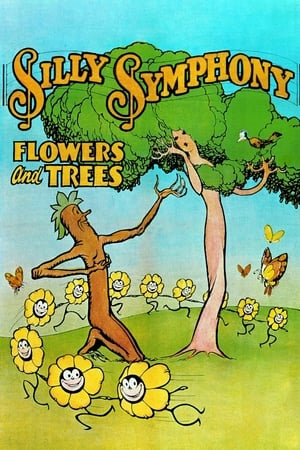
A jealous stump threatens two trees that are in love by starting a forest fire. When the rain comes and puts out the fire the forest revives and celebrates the wedding.
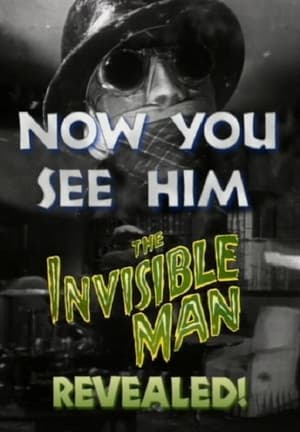
A documentary from Universal about the movie "The Invisible Man" (1933) directed by James Whale.
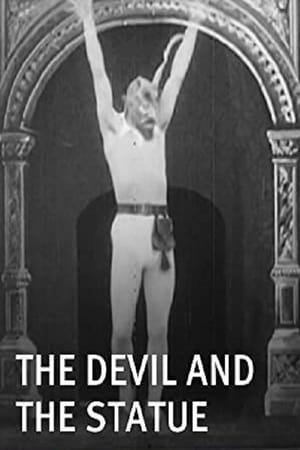
At the beginning of the scene Romeo in his gondola sings to Juliet a sentimental song, then goes away. Hardly has he departed when the colonnade falls to pieces, disclosing the devil. Juliet, frightened, runs to the window and calls Romeo. The latter attempts to enter and protect his fiancée, but at a gesture from the devil the window is instantly covered with a grating and Romeo makes frantic efforts to break it. The devil begins to dance a wild dance before Juliet, who is beside herself from terror. The devil gradually becomes the size of a giant (a novel effect). Juliet implores the statue of Madonna, which becomes animated, descends from its pedestal, and stretching out its arms orders the devil to disappear. (Méliès Catalog)
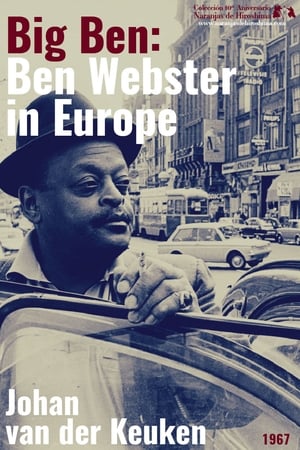
In the late sixties, the American saxophone player and living jazz legend Ben Webster lived in Amsterdam for a year. Webster, who was born in Kansas City in 1909, was a unique personality in the world of jazz and blues. In the thirties, he played with all the great names. During his Amsterdam period, he stayed with an elderly landlady, Mrs Hardloper, with whom he appeared on a national talk show. In conversations with Van der Keuken, he muses on the past; on the fantastic experience of playing in the renowned Duke Ellington band; or on one of his best friends, who was so deft at eating with a knife and fork. Short, fragmented remarks, which Van der Keuken has edited in a loose, improvised editing style.
In a world where romance has been replaced by speed dating, is arranged marriage the hassle-free way of getting hitched in the new millennium? This documentary takes a lighthearted look at young American Desis who are willingly placing their destiny in the hands of their parents, marriage brokers, and internet matrimonial ads. Navigating us through the film is Rupa Gawle - a young, hip, and very single popular Desi columnist. As she tries to understand how young, successful South Asian-Americans would want to subject themselves to the age-old tradition of arranged marriages, we are introduced to a cast of colorful characters who will tell us exactly why.
A man with an unusual medical problem is embarrassed to discover the call girl he hired is an old friend.
A documentary about cycling and the death of cycling world champion Jean-Pierre Monseré in 1971.
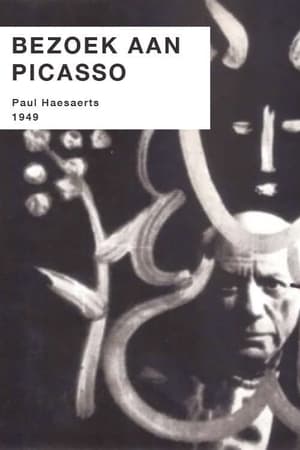
In this short 20 minute black and white Belgian documentary, the director, Paul Haesaerts, visualised Pablo Picasso’s flow of imagination when the Spanish painter drew on large glass plates in front of the camera – like a live show of a greatest artist in performing a few masterstrokes that outlines a dove, bull, flower, man or woman and whatnot. (This technique of filming his painting from the other side of the glass plates precedes The Mystery of Picasso (1956), another famous documentary film on Picasso). (via http://www.kubrickians.com/2012/07/08/visite-picasso-1949-paul-haesaert/)
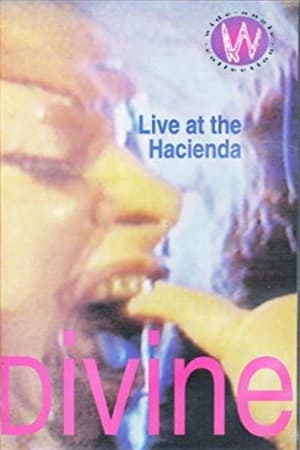
On 16 February 1983, Divine performs a seven-song set at the Hacienda Club in Manchester. His peroxide blond hair sticks in all directions; he's dressed in a skin-tight, short, off-one-shoulder, sparkling dress that he says he got from the Queen, who wouldn't wear it. The set includes Gang Bang (the name-game song), Jungle Jezebel, Born To Be Cheap, Alphabet Rap, Native Love, Shake It Up, and, for an encore, Shoot Your Shot. The band, whom we never see, is techno-rock. Between songs, Divine chats up the audience, usually talking about sex.
No Me Ama (She Doesn’t Love Me) is about a couple traveling through Uruguay. Besides a beautiful backdrop of scenery, this film features an interesting monologue about a guy and his feelings for the girl he is backpacking with. He longs to hear words she hasn’t told him, but is it about the words left unsaid, or the expression of love through little gestures?
Behind the scenes documentary shot during the making of Sofia Coppola's Lost in Translation (2003).
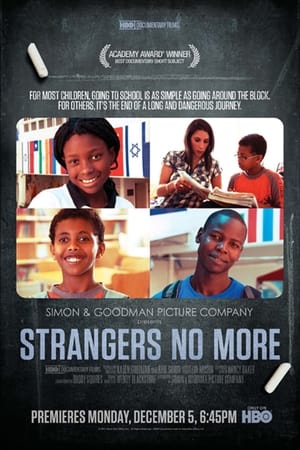
In the heart of Tel Aviv, there is an exceptional school where children from forty-eight different countries and diverse backgrounds come together to learn. Many of the students arrive at Bialik-Rogozin School fleeing poverty, political adversity and even genocide. Here, no child is a stranger. The film follows several students' struggle to acclimate to life in a new land while slowly opening up to share their stories of hardship and tragedy.
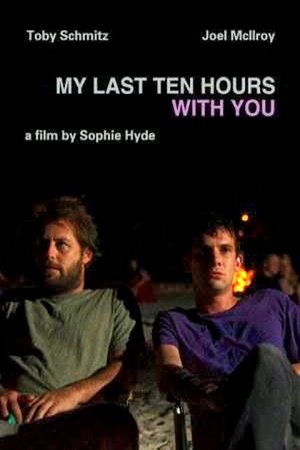
The final night of Mark and Jeremy's relationship, they wait it out, trying to find the way to say goodbye.
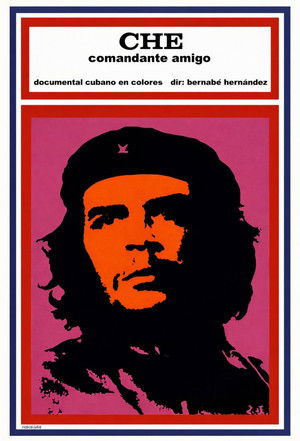
Biographical sketch of the heroic guerrilla on the tenth anniversary of his death, made from the evocations of the homonymous poem written by Nicolás Guillén.
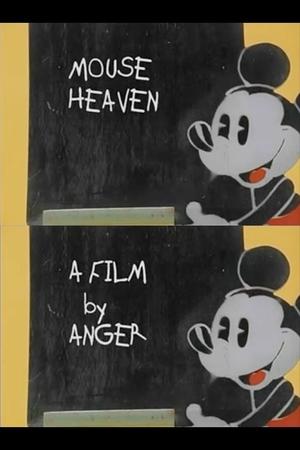
A short film featuring various vintage Mickey Mouse toys.
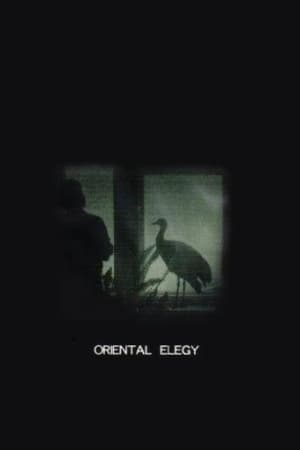
A surreal journey of a displaced spirit as he wanders in the interminable darkness through the temporal landscape of a quaint and isolated feudal-era fishing village. Guided by a series of faintly illuminated rooms, the wandering spirit comes upon ancient souls who take on physical forms as they recount their personal stories of daily existence, loss, and tragedy in the peasant community. Intrigued by his initial visit to a curiously distracted elderly woman, the spirit returns to her home in order to ask a fundamental question - "What is happiness?" - an existential query that is innocently answered with innate humility and accepted unknowingness.