"All sounds travel in waves much the same as ripples in water." Educational film produced by Bray Studios New York, which was the dominant animation studio based in the United States in the years surrounding World War I.
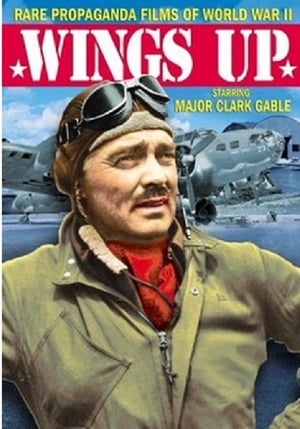
Clark Gable stars in this propaganda short about the Officers Candidate School of the Army Air Forces.
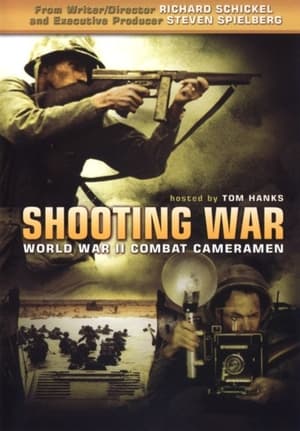
A remarkable film that takes a special look at the first war to be truly reported and recorded by one of the more unsung heroes of World War II: the combat photographer. Through the unflinching eye of their camera's lenses, these courageous soldiers continually risked their lives in their brave attempts to capture history.
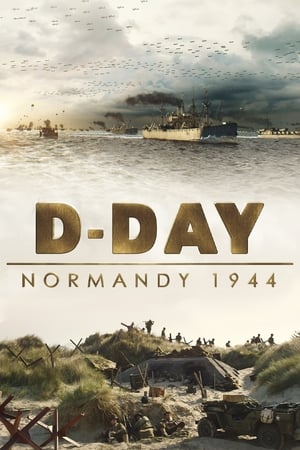
June 6, 1944: The largest Allied operation of World War II began in Normandy, France. Yet, few know in detail exactly why and how, from the end of 1943 through August 1944, this region became the most important location in the world. Blending multiple cinematographic techniques, including animation, CGI and stunning live-action images, “D-Day: Normandy 1944” brings this monumental event to the world’s largest screens for the first time ever. Audiences of all ages, including new generations, will discover from a new perspective how this landing changed the world. Exploring history, military strategy, science, technology and human values, the film will educate and appeal to all. Narrated by Tom Brokaw, “D-Day: Normandy 1944” pays tribute to those who gave their lives for our freedom… A duty of memory, a duty of gratitude.
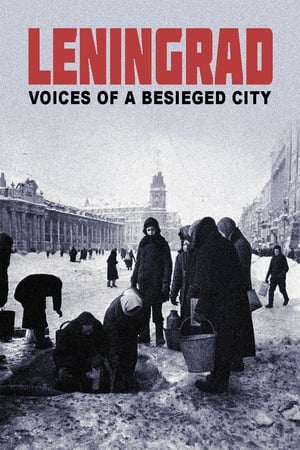
It was one of the great crimes of the Second World War: from 1941 to 1944, a total of 872 days, the siege and starvation of Leningrad by the German Wehrmacht on Hitler's orders lasted. Over a million people fell victim to the blockade, most of them dying of hunger. Countless of these starving people wrote diaries with the last of their strength, and cameramen filmed in the paralyzed city. Evidence from the hell of the siege, many of the film recordings, but above all the written memories on which this documentary on the occasion of the 80th anniversary of the liberation is based, remained under lock and key after the war. The voices of those who had suffered through this terrible time should not be heard by anyone, because they did not fit the pathos of the Leningrad heroic song that was officially sung. Most of the recordings come from women. The writers feared neither the enemy nor the Communist Party or Stalin, who often proved incompetent in providing for the population.
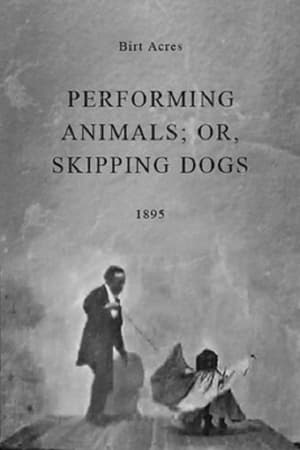
A short black-and-white silent documentary film featuring one dog jumping through hoops and another dancing in a costume, which was considered lost until footage from an 1896 Fairground Programme was identified as being from this film.
The destruction of the city and its architectural heritage during the Allied bombing of the Second World War.
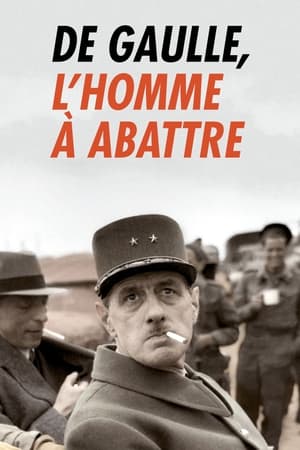
De Gaulle, l'homme à abattre
Contrasting radical mobs, anarchy, and 1960s counterculture with footage of American manufacturing and innovation, this film celebrates the concept of American exceptionalism and argues that anti-Vietnam War protesters were influenced by communism, atheism, and immorality. Set mostly in a university library, this political debate between a medical student, his 1770s ancestor, and a history professor is a sequel to the 1972 National Education Program film, Brink of Disaster! Two additional characters appear in this drama: a 19th-century steamboat captain, and the student’s grandfather - an early 20th-century automobile worker. The National Education Program at Harding College in Searcy, Arkansas created a variety of widely-distributed anti-communism films from the mid-1940s to the early 1970s.
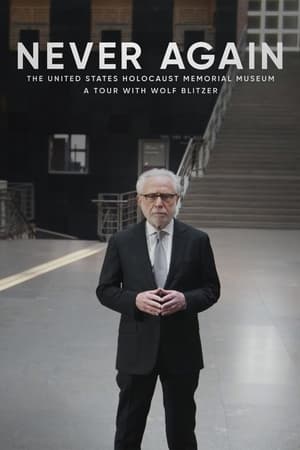
The child of Holocaust survivors, CNN Anchor Wolf Blitzer, takes viewers through the United States Holocaust Memorial Museum and beyond, connecting the hours of the Holocaust and their modern parallels and his family story.
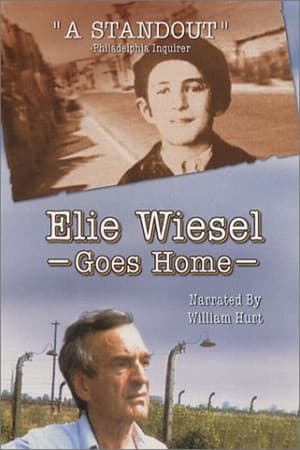
A documentary chronicling the adolescent years of Elie Wiesel and the history of his sufferings. Eliezer was fifteen when Fascism brutally altered his life forever. Fifty years later, he returns to Sighetu Marmatiei, the town where he was born, to walk the painful road of remembrance - but is it possible to speak of the unspeakable? Or does Auschwitz lie beyond the capacity of any human language - the place where words and stories run out?
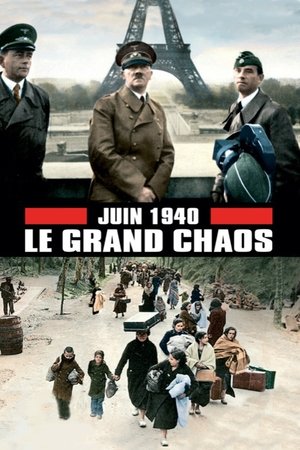
From May 10, 1940, France is living one of the worst tragedies of it history. In a few weeks, the country folds, and then collapsed in facing the attack of the Nazi Germany. On June 1940, each day is a tragedy. For the first time, thanks to historic revelations, and to numerous never seen before images and documents and reenacted situations of the time, this film recounts the incredible stories of those men and women trapped in the torment of this great chaos.
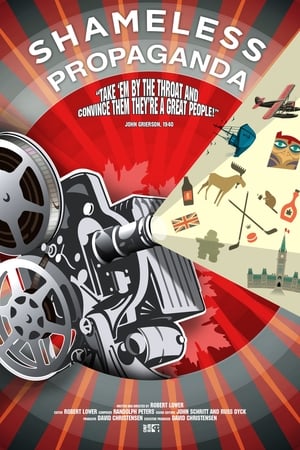
This feature documentary examines its own genre, which has often been called Canada's national art form. Released in the year of the NFB's 75th birthday, Shameless Propaganda is filmmaker Robert Lower's take on the boldest and most compelling propaganda effort in our history (1939-1945), in which founding NFB Commissioner John Grierson saw the documentary as a "hammer to shape society". All 500 of the films produced by the NFB until 1945 are distilled here for the essence of their message to Canadians. Using only these films and still photos from that era, Lower recreates the picture of Canada they gave us and looks in it for the Canada we know today. What he finds is by turns enlightening, entertaining, and unexpectedly disturbing.
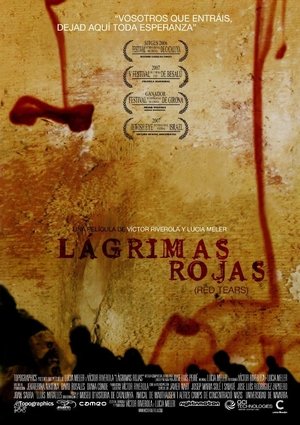
Lágrimas rojas
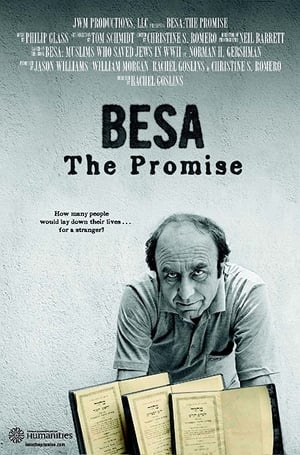
A documentary exploring how Albanians, including many Muslims, helped and sheltered Jewish refugees during WWII at their own risk, and trying to help the son of an Albanian baker that housed a Jewish family for a year return some Hebrew books that the family had to leave behind.
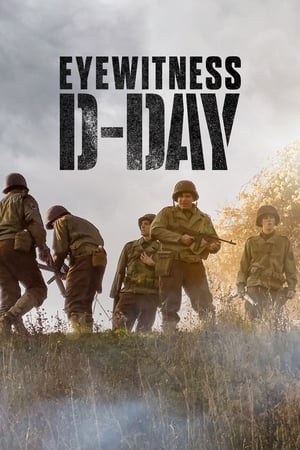
One famous day. Five heroes. Five key turning points that changed the course of World War II during the D-Day landings, told through the eyes of the people who made a difference. Using rarely seen archival footage dramatic reconstruction and written accounts from eye witnesses, and personal testimony from five heroes, this is D-Day as never seen before.
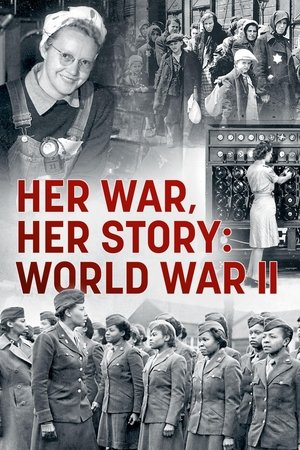
Explore the stories of women caught up in World War II, from the American Home Front to Auschwitz Concentration Camp in Poland. Included in this hour-long film are also the personal stories of the incredible women who served in a war that proved women were equal to men when it came to patriotism, service, or in some cases, self-preservation during watershed moments which called for steadfastness.
The background to, events of and consequences of the Battle of Mers-El-Kebir on 3 July 1940. In that battle, Royal Navy ships fired on the French Fleet in order to prevent it from falling into German hands. A French battleship was sunk and several other ships damaged. Nearly 1,300 French sailors were killed.
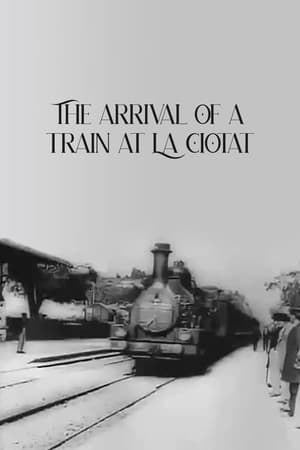
A group of people are standing along the platform of a railway station in La Ciotat, waiting for a train. One is seen coming, at some distance, and eventually stops at the platform. Doors of the railway-cars open and attendants help passengers off and on. Popular legend has it that, when this film was shown, the first-night audience fled the café in terror, fearing being run over by the "approaching" train. This legend has since been identified as promotional embellishment, though there is evidence to suggest that people were astounded at the capabilities of the Lumières' cinématographe.
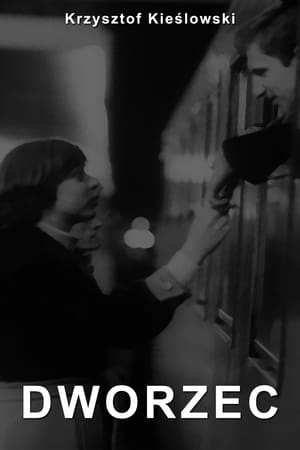
Warsaw's Central Railway Station. 'Someone has fallen asleep, someone's waiting for somebody else. Maybe they'll come, maybe they won't. The film is about people looking for something.