Raised in the small all-Black Florida town of Eatonville, Zora Neale Hurston studied at Howard University before arriving in New York in 1925. She would soon become a key figure of the Harlem Renaissance, best remembered for her novel, Their Eyes Were Watching God. But even as she gained renown in the Harlem literary circles, Hurston was also discovering anthropology at Barnard College with the renowned Franz Boas. She would make several trips to the American South and the Caribbean, documenting the lives of rural Black people and collecting their stories. She studied her own people, an unusual practice at the time, and during her lifetime became known as the foremost authority on Black folklore.
A man talks about his tendencies, which he is trying to overcome. He has sexually assaulted young girls on multiple occasions and has been caught multiple times. This man has already spent ten years of his life behind bars. Now that he’s free again, he’s hoping to find help through psychoanalysis, which he has voluntarily sought out. In stark contrast is the young woman who stabbed her own child to death and has been in prison for twelve years—serving a life sentence. The woman recounts the harrowing story of her youth and her marriage, during which she herself was beaten and abused until she ended up killing not her tormentors, but her own child.
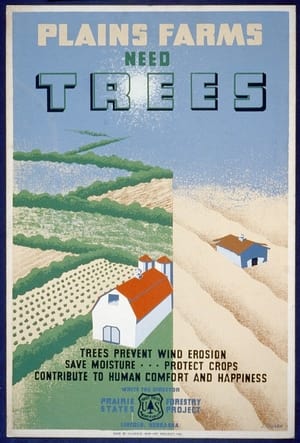
This short film serves as a cautionary tale to farmers who recklessly cut down trees on their land. When prairie farmers engaged in this practice to facilitate plowing, they discovered that the trees had served as windbreaks protecting top soil from erosion. The Dominion Department of Agriculture's experimental station at Indian Head, Saskatchewan, cultivated acres of young trees for distribution to farmers.
Art As A Voice is a feature-length documentary examining how five female artists use their artwork to effect change. Exploring their history, challenges, art form, influences and experiences that led them to activism, the documentary will provide an understanding of the realities of life as a survivor of domestic abuse and sexual assault. Though the film will tell each story honestly, mixing visuals of the artist at work, voiceover interviews describing events and dramatic actor re-enactments, the overall message will highlight how each artist has turned something so ugly into something beautiful that inspires hope.
Vernichtung durch Arbeit - KZ-Häftlinge: Sklaven für die deutsche Industrie
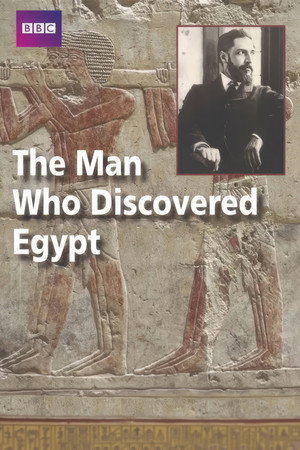
Ancient Egypt was vandalised by tomb raiders and treasure hunters until one Victorian adventurer took them on. Most of us have never heard of Flinders Petrie, but this maverick genius undertook a scientific survey of the pyramids, discovered the oldest portraits in the world, unearthed Egypt's prehistoric roots - and in the process invented modern field archaeology, giving meaning to a whole civilisation.
Buttenhausen, a village: 1933 - 1942 Television journalist Lea Rosh interviews residents and Jewish visitors in Buttenhausen about their memories of the coexistence of Christians and Jews in this village in the Swabian Alb. Her reports on everyday life under National Socialism shed light on the situation of the people at that time.
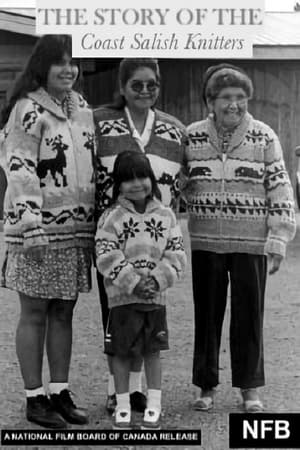
For almost a century, the Coast Salish knitters of southern Vancouver Island have produced Cowichan sweaters from handspun wool. These distinctive sweaters are known and loved around the world, but the Indigenous women who make them remain largely invisible.
An artist leads his Infection Procession to the water.
LOOKING LIKE MY MOTHER is a film about family relationships and personal destiny, about realizing one's own potential and one's limitations. It traces the individual experience, showing the emptiness one can feel as well as the discovery of a sense of meaning in life. It is a very personal and courageous film that doesn’t search for scientific explanations but instead uses documentary and fictional material to weave an intimate biography. This combination of perception and memory suggests a deep reconciliation and allows tender feelings of a mother’s love to emerge.
On June 10, 1944, the SS murdered nearly the entire population of the French village of Oradour. The ruins still stand, the population is buried in the cemetery. Only one person has ever been convicted of this crime: the former SS-Obersturmführer Heinz Barth.
A report on the 1980 trial in which Kurt Lischka, Herbert Hagen and Ernst Heinrichsohn were convicted of deporting the Jewish population of France during the Second World War.
Laila Paattinen is a working woman. Tired of low-paying jobs, she completed a five-month course in dry-wall installation. Because she had chosen a non-traditional job for women, she ran into resistance in the marketplace. She finally solved her problems by opening her own dry-wall application business. A useful film for women seeking non-traditional jobs.
Documentary profile of writer Jane Rule whose literary career produced a wealth of novels and journalistic pieces which, in the face of Canadian censorship, speak eloquently about the lives of lesbians and gay men.
Walking the dark, invisible passageways hidden behind Bogotá’s bright neon lights, Diana, a transgender woman becomes a crucial catalyst of the Zona Especial de Servicios de Alto Impacto (ZESAI). ZESAI is a social policy experiment intended to promote social integration by legalizing sex work within the residential neighborhood of Santa Fe.
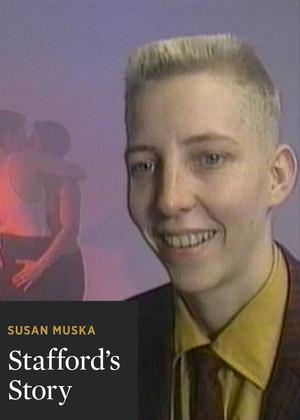
Trans man Stafford candidly tells the story of a memorable encounter he had at a sex club.
Far from home and cut off from family and friends, Montreal’s Indigenous homeless population is the focus of No Address. Dreams of a better life in the big city can be met with harsh realities, as the individuals in this documentary recount. Often trying to flee circumstances created by colonialism and the effects of assimilation, the First Nations and Inuit people in this work share frank stories about their lives and the paths that took them to the streets of Montreal. Alanis Obomsawin presents an honest, stark portrayal of endemic homelessness while giving voice to those so often overlooked or made invisible on the streets of every city in Canada.
Zeruya Shalev is the voice of Israel. Her topics: family conflicts, love and pain. In the film, she tells her family story which is inextricably linked to the founding of Israel.
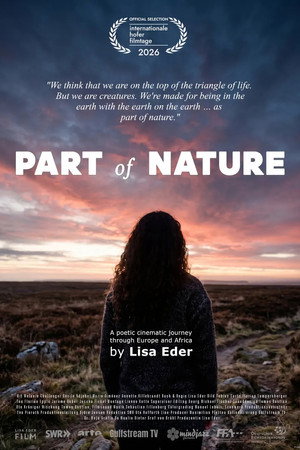
An essayistic film about the very core of humanity: we are beings created to live with and on the Earth. Yet still, despite knowing better, we destroy the very foundations of our existence. The film accompanies protagonists from the fields of philosophy, agriculture and forestry, and architecture. Their work has the potential to initiate necessary processes of transformation. Their stories are placed in a broader context: the individual as part of the whole, connection and belonging.
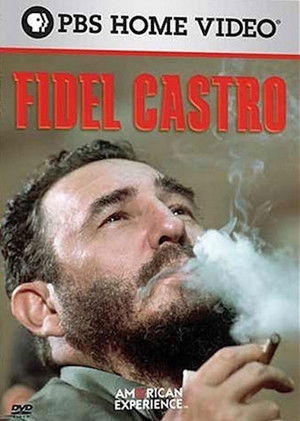
Fidel Castro has survived U.S. hostility, an invasion, several CIA assassination attempts and an economic embargo. His face has become an iconic image worldwide, yet the man himself remains an enigma to all but a few. Through interviews with relatives, childhood friends, fellow rebel leaders, Bay of Pigs veterans, human rights activists and journalists, this program constructs an intimate portrait of the most resilient of leaders.