De Bevrijding van Den Haag
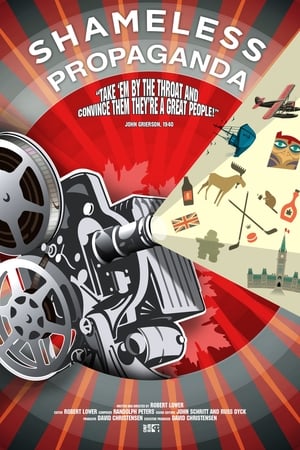
This feature documentary examines its own genre, which has often been called Canada's national art form. Released in the year of the NFB's 75th birthday, Shameless Propaganda is filmmaker Robert Lower's take on the boldest and most compelling propaganda effort in our history (1939-1945), in which founding NFB Commissioner John Grierson saw the documentary as a "hammer to shape society". All 500 of the films produced by the NFB until 1945 are distilled here for the essence of their message to Canadians. Using only these films and still photos from that era, Lower recreates the picture of Canada they gave us and looks in it for the Canada we know today. What he finds is by turns enlightening, entertaining, and unexpectedly disturbing.
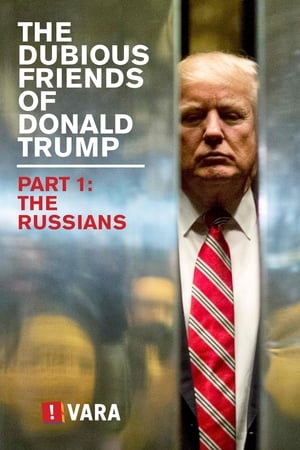
For months, the FBI have been investigating Russian interference in the American presidential elections. ZEMBLA is investigating another explosive dossier concerning Trump’s involvement with the Russians: Trump’s business and personal ties to oligarchs from the former Soviet Union. Powerful billionaires suspected of money laundering and fraud, and of having contacts in Moscow and with the mafia. What do these relationships say about Trump and why does he deny them? How compromising are these dubious business relationships for the 45th president of the United States? And are there connections with the Netherlands? ZEMBLA meets with one of Trump’s controversial cronies and speaks with a former CIA agent, fraud investigators, attorneys, and an American senator among others.
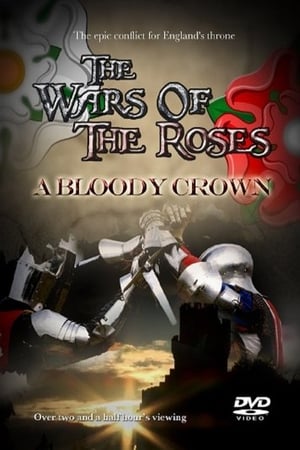
Using historically-accurate, battle-filled re-enactments and interviews with expert historians and noted authors, this two-part documentary series brings to vivid life the captivating true stories behind Britain's bloody civil wars.
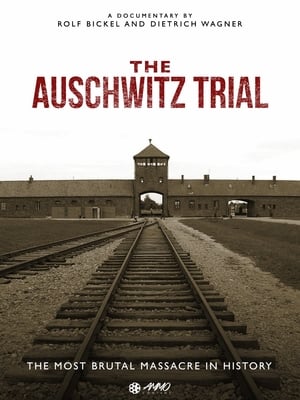
The biggest trial of Nazi war crimes ever: 360 witnesses in 183 days of trial - a stunning and gripping portrayal of the most terrible massacre in history.
During World War II, the propaganda engine of the U.S. government made a pivotal decision with unforeseeable results: they tapped John Huston to shoot war documentaries with an expressly patriotic spin. Few could guess the degree to which Huston's documentaries would depict the sheer brutality and horror of modern warfare - particularly his Let There Be Light and The Battle of San Pietro. The films served (by default) as cinematic protests, even as they graced new and brilliant heights within the scope of American documentary. (Indeed, Light was banned by the government for 35 years). Midge Mackenzie's 1998 documentary John Huston: War Stories explores this little known facet of Huston's career, intercutting clips from the various documentaries with a Huston interview shot just prior to his death.
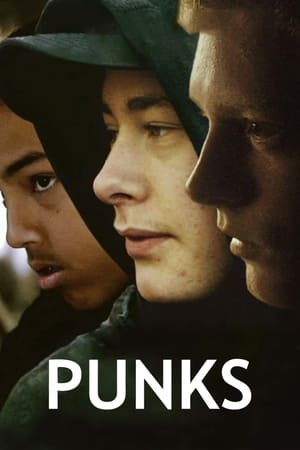
The parents are at their wits’ end, so a temporary supervision order is the last hope for a group of teenagers in Punks. Now, on a remote farm in France, they’re going to have to get their lives back on track, with the help of a counselor. If they want any chance of a happy life, they need to engage in some frank and painful conversations. Mitchel has to find a way to get along with his father, but maybe too much has already happened since his mother died. Jahlano is already at the next stage: he’s no longer allowed to live with his mother, and needs to get over the disappointment. Mike, meanwhile, is struggling with his image as a boy who’s “got a screw loose.” Filmed in constant close-up by director Maasja Ooms, the teenagers try to tame their demons with music and therapy, but problems from the past keep resurfacing. In this intimate and sincere portrait, these troubled kids show us their most vulnerable sides.
Le IIIe Reich n'aura pas la bombe
Embedded journalist Mark Bartalmai shows the Ukrainian war from inside..
A Arte da Primeira Guerra
A shock therapy of news coverage from the war front. Documentarist Jana Andert spent eight months with an elite Iraqi Army unit on the front lines of the battle for Mosul, occupied by Islamic State fighters from 2014 to June 2017. An unflinching report from a city in ruins, robbed of its soul by one of the worst catastrophes of modern times.
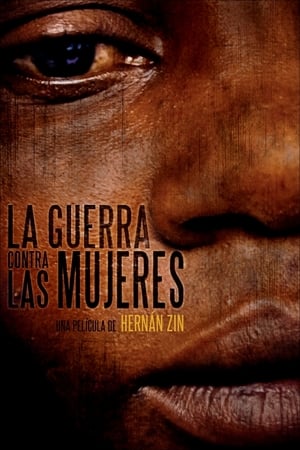
Sexual violence against women is a very effective weapon in modern warfare: instills fear and spreads the seed of the victorious side, an outrageous method that is useful to exterminate the defeated side by other means. This use of women, both their bodies and their minds, as a battleground, was crucial for international criminal tribunals to begin to judge rape as a crime against humanity.
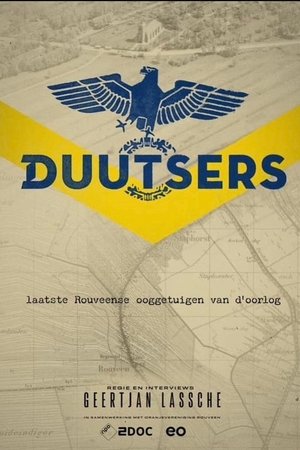
How was the Second World War experienced in Rouveen, Overijssel? This Orthodox Christian village near Staphorst was self-sufficient during the war. And largely isolated from the outside world. The last eyewitnesses of the war, the children of that time, are now all very old. In the Duutsers, residents of the Overijssel village of Rouveen talk movingly openly about their war memories to fellow villager and filmmaker Geertjan Lassche. Their stories are interspersed with historical video fragments and photos from the past. This is how an honest child's view of growing up in a rural village unfolds. How did the war come to the village? Who is that stranger in the village in front of them, that German? And in what those of other strangers? When does unrest arise, and unrest in fear of hatred? What about the Jewish labor camps in the village and how did they view the Canadian liberators?
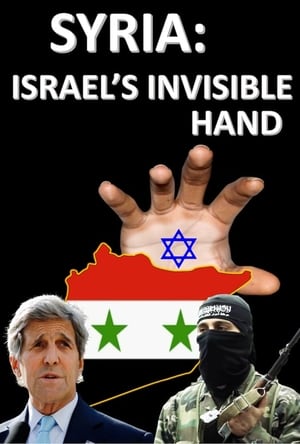
A horrible six year conflict befell Syria with a multitude of factions fighting for territories backed by a score of foreign players. The script for war as with Iraq in 2003 originated with Zionist partisans with Israeli interests in mind. From Oded Yinon to the Israeli "Clean Break" papers, the Zionist regime made it very clear what their intentions were in Iraq and Syria. American mass media had a uniform message that "Assad must go" for years until the Trump administration took power. In Iraq, after the US made it clear that they did not back Kurdish secession and would not give them air support, the Iraqi forces chased out the Peshmerga in a mere 36hrs. The world must know that the US was dragged into these conflicts via Israeli pressure and deceptions.
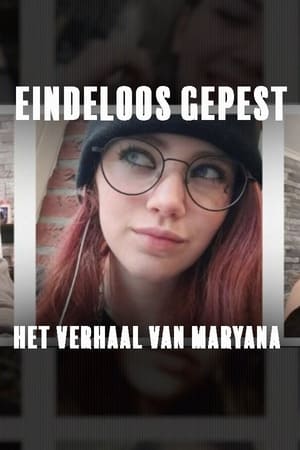
Maryana came to the conclusion that she no longer wanted to live because the bullying became unbearable. Based on stories from her family, teachers, friends and classmates, we get an idea of who Maryana was and what kept her busy. All relatives have the same message: let's learn from this and ensure that this does not happen again in the future.
Documentary short detailing the American soldier's part in preserving the fundamental ideals of this nation. Preserved by the Academy Film Archive in 2012.
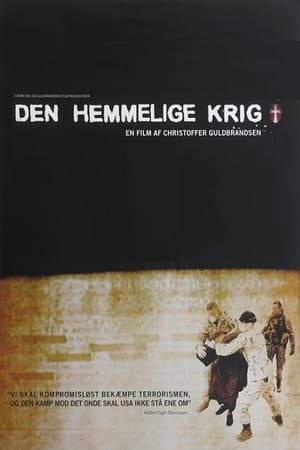
Controversal documentary focusing on events in Afghanistan in 2002 in which Danish soldiers handed over prisoners to the US Army even though USA no longer treated prisoners of war according to the Geneva Convention. Further, the film questions the Danish Prime Minister's reasons for getting Denmark involved in the so-called War Against Terrorism in Afghanistan in the first place.
One of our biggest music stars Gary Barlow faces his toughest gig when he heads to the harsh terrain of Afghanistan to perform an exclusive concert for British troops.
Dresdner Filmschätze - Teil 1 | Die 20er bis 40er Jahre
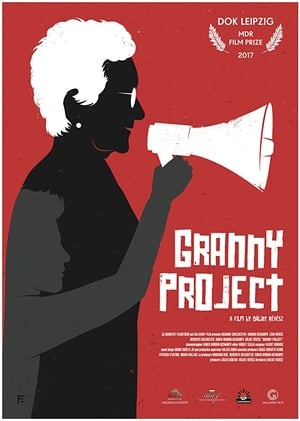
Three charming 20-something grandsons take a unique journey with their grannies to discover their historic and personal legacies through stories from the Second World War. Three grandsons embark an anarchic journey into the past – a complex road movie about intergenerational dialogue in Great Britain, Germany and Hungary. Granny Project is a seven-year-long investigation of three young men coming to terms with their heritage through the extraordinary lives of their grandmothers: an English spy, a dancer from Nazi Germany and a Hungarian communist Holocaust survivor. The film deals with classic values and taboo-like historical topics, and the method used is equally important as it gives an insight to the zeitgeist of the young today.