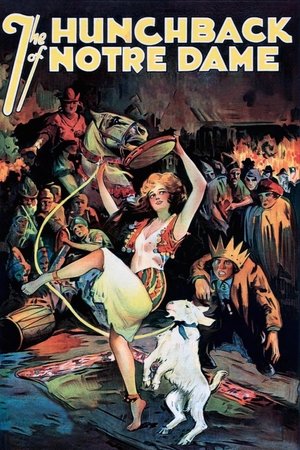
In 15th century France, a gypsy girl is framed for murder by the infatuated Chief Justice, and only the deformed bellringer of Notre Dame Cathedral can save her.
A man is trapped in a sinister flat, where nothing seems to obey the laws of nature.
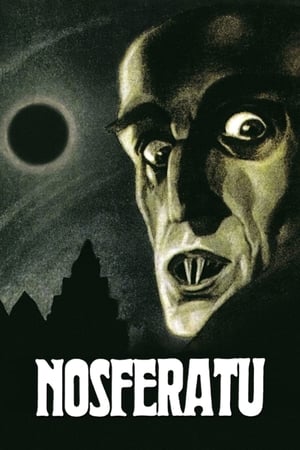
The mysterious Count Orlok summons a happily married real estate agent to his castle, located up in the Transylvanian mountains, to finalise a terrifying deal.
A Materialaktion (an art performance/happening in which objects are used to create an art piece) by Viennese Aktionist Otto Muehl. The setting is a solemn Christmas celebration.
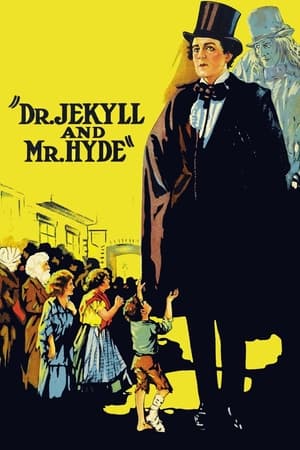
A doctor's research into the roots of evil turns him into a hideous depraved fiend.
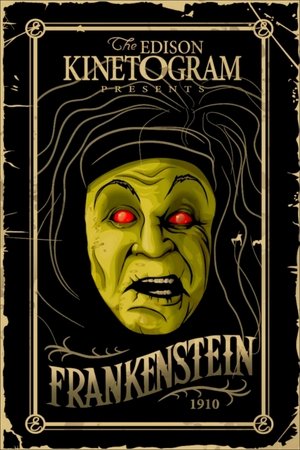
Frankenstein, a young medical student, trying to create the perfect human being, instead creates a misshapen monster. Made ill by what he has done, Frankenstein is comforted by his fiancée; but on his wedding night he is visited by the monster.
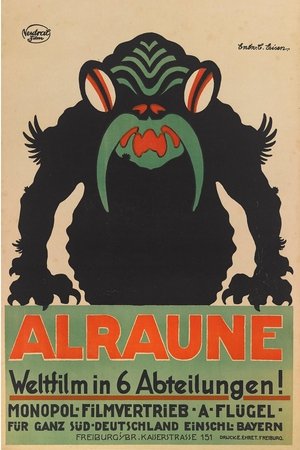
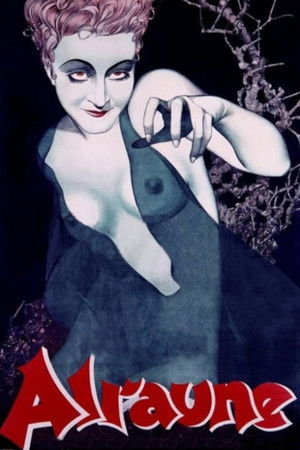
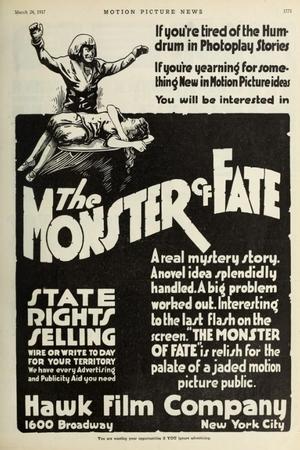
Mad scientist, doctor Ten Brinken artificially inseminates a prostitute with a dead man's semen. The resulting child grows up to be a beautiful, evil woman who turns against her creator.
Hanns Heinz Ewers' grim science-fiction novel Alraune has already been filmed twice when this version was assembled in 1928. In another of his "mad doctor" roles, Paul Wegener plays Professor Brinken, sociopathic scientist who combines the genes of an executed murderer with those of a prostitute. The result is a beautiful young woman named Alraune (Brigitte Helm), who is incapable of feeling any real emotions -- least of all guilt or regret. Upon attaining adulthood, Alraune sets about to seduce and destroy every male who crosses her path. Ultimately, Professor Brinken is hoist on his own petard when he falls hopelessly in love with Alraune himself. Alraune was remade in 1930, with Brigitte Helm repeating her role, and again in 1951, with Hildegarde Knef as the "heroine" and Erich von Stroheim as her misguided mentor.
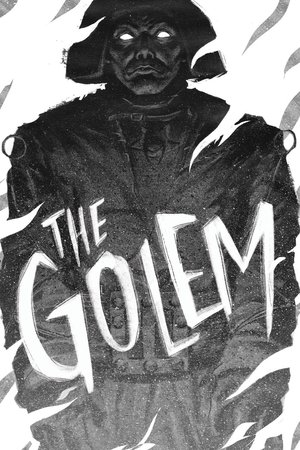
In 16th-century Prague, a rabbi creates the Golem - a giant creature made of clay. Using sorcery, he brings the creature to life in order to protect the Jews of Prague from persecution.
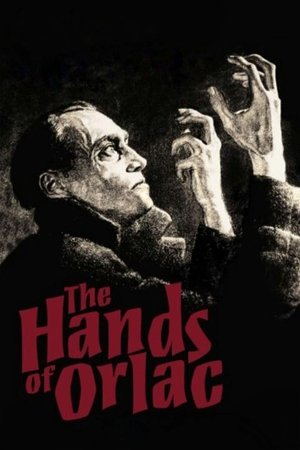
A world-famous pianist loses both hands in an accident. When new hands are grafted on, he is horrified to learn they once belonged to a murderer.
Five friends, all affected in some way by a mercury poisoning incident are partying when a freak accident put them on a collision course with an entity that is in no mood to forgive their misgivings.
A distraught squatter tries to cope with his werewolf nature through drugs and music.
After being unjustly attacked, a cook goes on a killing spree.
This mostly lost film is often confused with director Paul Wegener third and readily available interpretation of the legend; Der Golem, wie er in die Welt kam (1920). In this version of the golem legend, the golem, a clay statue brought to life by Rabbi Loew in 16th century Prague to save the Jews from the ongoing brutal persecution by the city's rulers, is found in the rubble of an old synagogue in the 20th century. Brought to life by an antique dealer, the golem is used as a menial servant. Eventually falling in love with the dealer's wife, it goes on a murderous rampage when its love for her goes unanswered.
Dealing with life's troubles is never easy. Many people find comfort in the soothing words of their trusted therapist. Mr. Talbot does not. His therapist, has a tough love approach. Not convinced of Talbot's assertion that he's a werewolf, she invites him to her office the evening of the full moon. Talbot insists that he's really dangerous. As the doctor insists Talbot's delusional, suddenly he begins to change. Prepared, Dr. Steiner has no trouble curing her patient. For good.
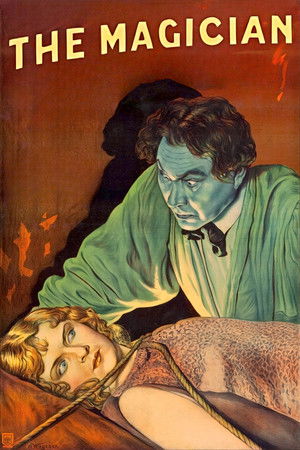
A young woman, Margaret Dauncey, is caught between the forces of a charlatan magician, Oliver Haddo, whom she is unable to resist, and the love of a handsome surgeon, Arthur Burdon, who has saved her from being a helpless cripple by performing a delicate operation on her spine.
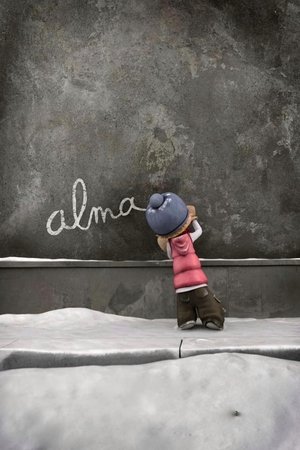
Amidst the chilly white winter, bright-eyed Alma, wanders through Barcelona’s cobblestone streets. Suddenly, she spots an unassuming toy shop. Her gaze is drawn to a nearly identical figure staring back at her from the storefront window. As if by magic, the shop’s door swings open. But to her bewilderment, her elusive twin is nowhere to be found.
A reel of the Noh drama Momiji-gari, in which Danjuro Ichikawa played opposite Onoe Kikugoro V as an ogress who has disguised herself as the Princess Sarashina. Filmed by Shibata Tsunekichi in the open air on a windy day in November 1899, Danjuro would allow only the one take, so that when his fan blew away in mid-performance the scene had to stay. The film re-emerged at the Kikikan theatre in 1907 where it was a great success and inspired a wave of fiction filmmaking based on traditional Japanese narratives.
It's Christmas time, and a grandmother spends a quiet afternoon tending to the family chores. But the arrival of an unexpected visitor brings with her some deadly consequences.
Yotsuya Kaidan